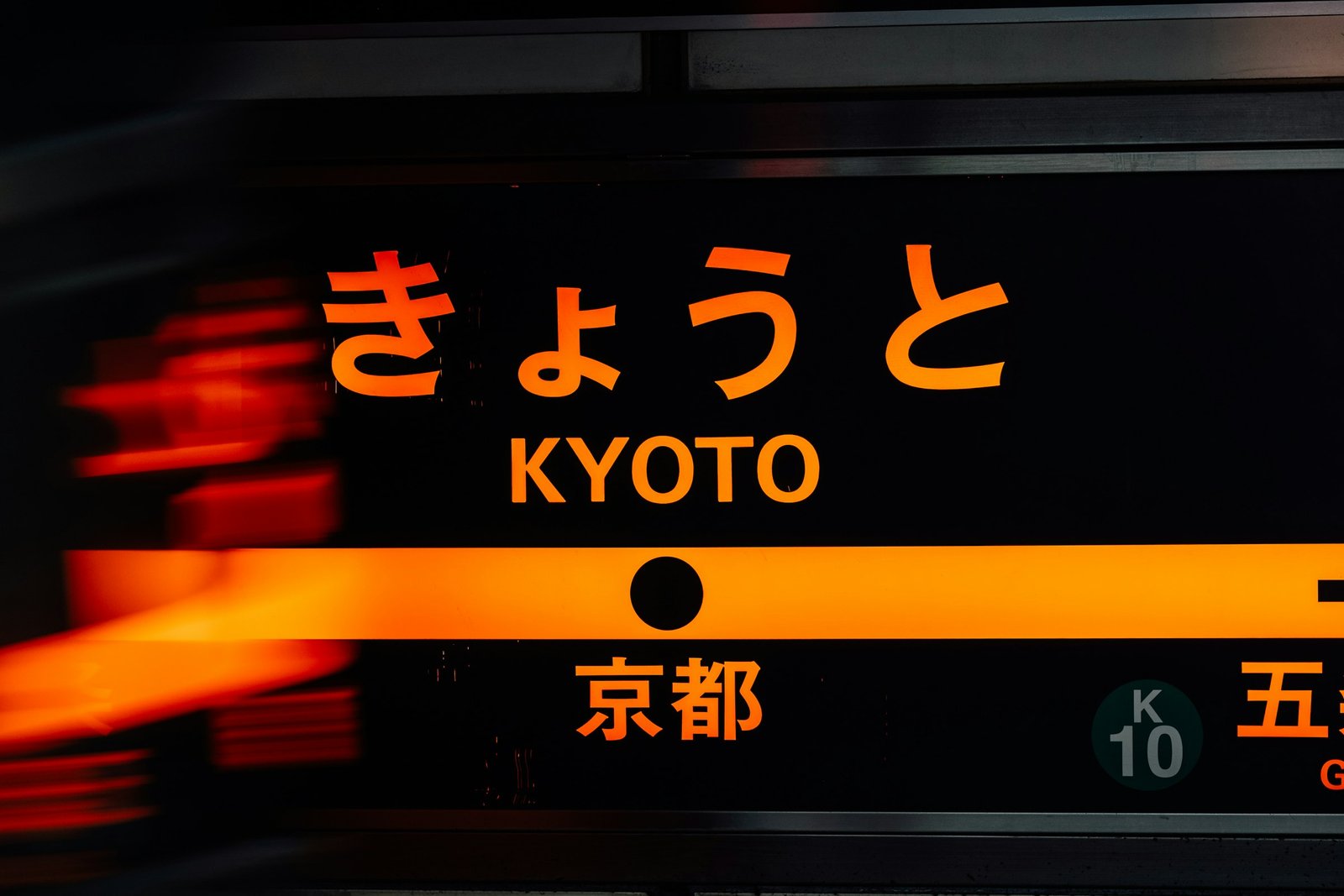
Japanese city transit offers three ways to pay, and most visitors default to whichever one they read about first. The difference over a week is modest in money and significant in friction. This guide covers what each costs, the coverage trap that catches people in Tokyo, and the simple test for which one your day needs.
The default answer is the IC card
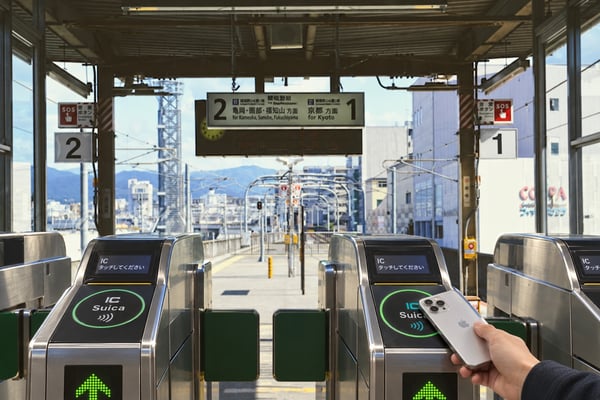
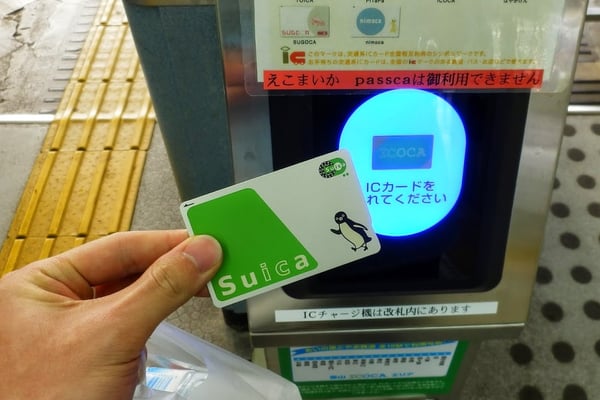
For most first-time visitors in Tokyo or Kyoto, a stored-value IC card — Suica, Pasmo or Icoca — is the right default. Individual subway rides run roughly ¥180 to ¥330 depending on distance, a typical sightseeing day involves three or four of them, and tapping through a gate removes the need to work out a fare before every journey.
Why fare calculation matters more than price
Buying a single ticket in Japan means knowing your destination's fare before you buy, from a chart above the machine, often in Japanese. It is entirely doable and it is a small tax on every journey. The card removes that step completely, which over a week is the real saving rather than the money.
Cards also work in convenience stores, vending machines and many small shops, so a balance is never stranded.
When a day pass wins
A Tokyo or Kyoto day pass starts to beat pay-as-you-go at roughly five rides in a single day, against individual fares of ¥180 to ¥330. Below that, the card is cheaper and simpler; above it, the pass pays and keeps paying, because every additional journey is free and the temptation to walk a tiring extra kilometre to save a fare disappears.
Tokyo
The Tokyo Subway Ticket, sold to visitors, costs ¥1,000 for twenty-four hours, with forty-eight and seventy-two hour versions above it. Its clock runs from the first time you pass a gate for a full twenty-four hours, not until midnight — activate it at eleven in the morning and it lasts until eleven the next morning.
The coverage trap: the tourist Tokyo Subway Ticket covers both the Tokyo Metro lines and the Toei lines. A separate, similarly named Tokyo Metro day ticket covers Metro only. Buying the wrong one leaves you at a gate that will not open on a route you assumed was included.
Kyoto
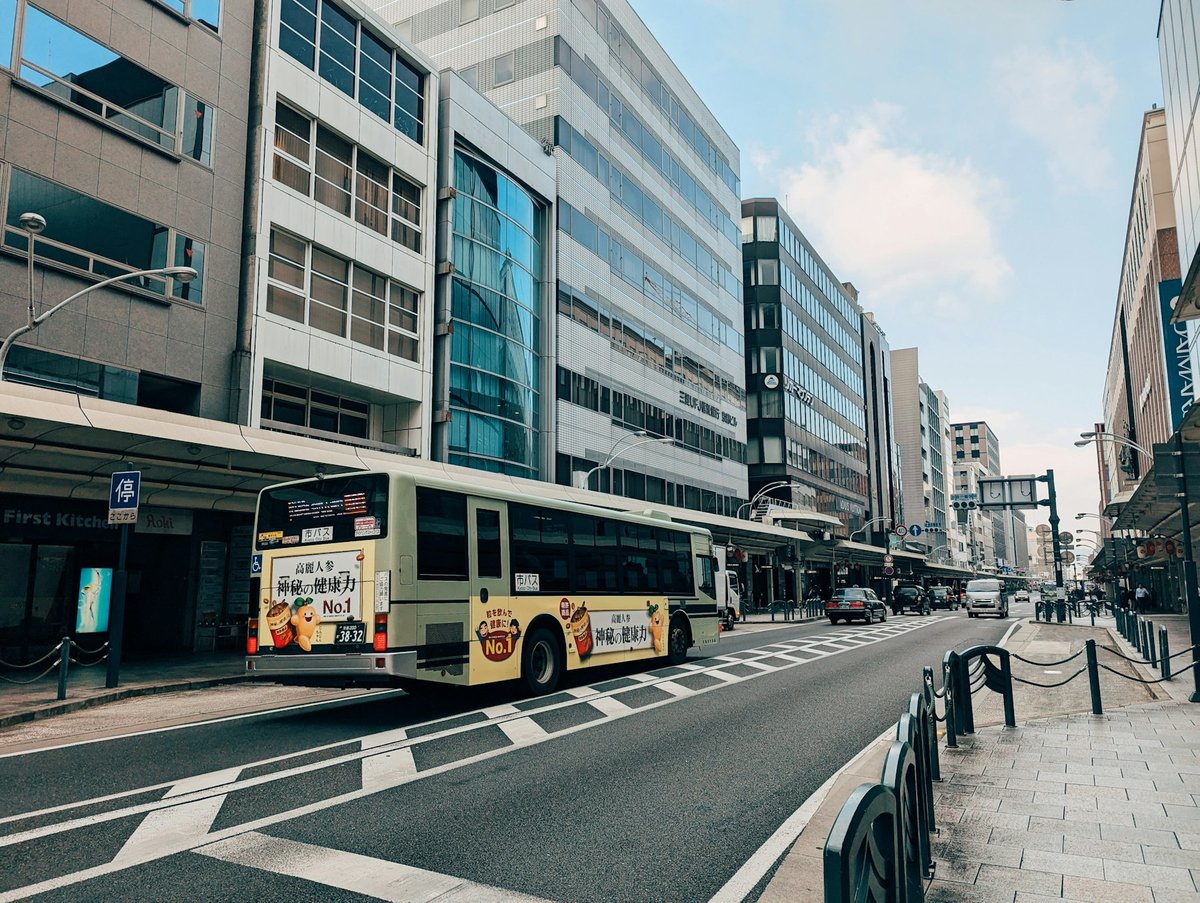
Kyoto's Subway and Bus One-Day Pass costs about ¥1,100 and covers all subway lines and the major city buses. Kyoto is a bus city more than a subway city, so a day of temple-hopping crosses the five-ride threshold easily and the pass is usually the right call there in a way it is not in Tokyo.
The long-standing bus-only day pass has been discontinued, which a great deal of English-language guidance still recommends. If a source tells you to buy it, that source has not been updated.
Two worked days
A Tokyo day spent in one district — a morning museum, lunch nearby, an afternoon walk, dinner in the same area — involves two rides. The card wins comfortably and the pass would waste most of its value.
A Tokyo day that crosses the city — an early market, a temple in the north-east, an afternoon in a western neighbourhood, dinner somewhere else again — involves six or seven. The pass wins, and the freedom to add an unplanned stop without recalculating is worth more than the money saved.
Kyoto behaves differently
Kyoto's sights are scattered around the edges of the city rather than concentrated along a subway spine, and the buses do most of the work of reaching them. A normal temple day in Kyoto crosses the five-ride threshold without trying, which is why the day pass is the usual answer there and the exception in Tokyo.
The tourist card option
Welcome Suica is a visitor card sold at Narita and Haneda and at major Tokyo stations. It needs no deposit and is valid for 28 days from purchase, which suits any normal trip. The catch is that the remaining balance is not refundable and it cannot be transferred to a phone, so load it in small increments.
An ordinary unregistered card is the better choice for anyone who might return, since the balance keeps and the deposit comes back.
Working out which applies to you
The test is simply how your days are shaped. Days that cluster around one neighbourhood and involve a lot of walking favour the card; days that criss-cross a city between scattered sights favour the pass. Most first trips contain both kinds, which is why the sensible approach is a card as the base and a day pass bought only on the days that earn it.
How those days get shaped in the first place — which sights cluster, which neighbourhood to base yourself in, how much a day can realistically hold — is the layer underneath this decision, and the complete Japan trip guide works through it.