An IC card is the single most useful thing to get when you arrive in Japan. These rechargeable tap cards make trains, subways, and buses effortless — and you can use them to pay at convenience stores, vending machines, lockers, and many shops too. For a first-timer, getting one is the best five minutes you'll spend on arrival. Here's everything you need to know.
What an IC card is
An IC card is a prepaid, rechargeable smart card you simply tap on readers to ride public transit and make small purchases. There's no need to calculate fares or buy individual paper tickets — you tap in when you enter a station, tap out when you leave, and the correct fare is deducted automatically. It turns Japan's complex web of train and bus operators into one seamless tap-and-go experience, and it's accepted almost everywhere a traveler goes.
Suica vs Pasmo: what's the difference?
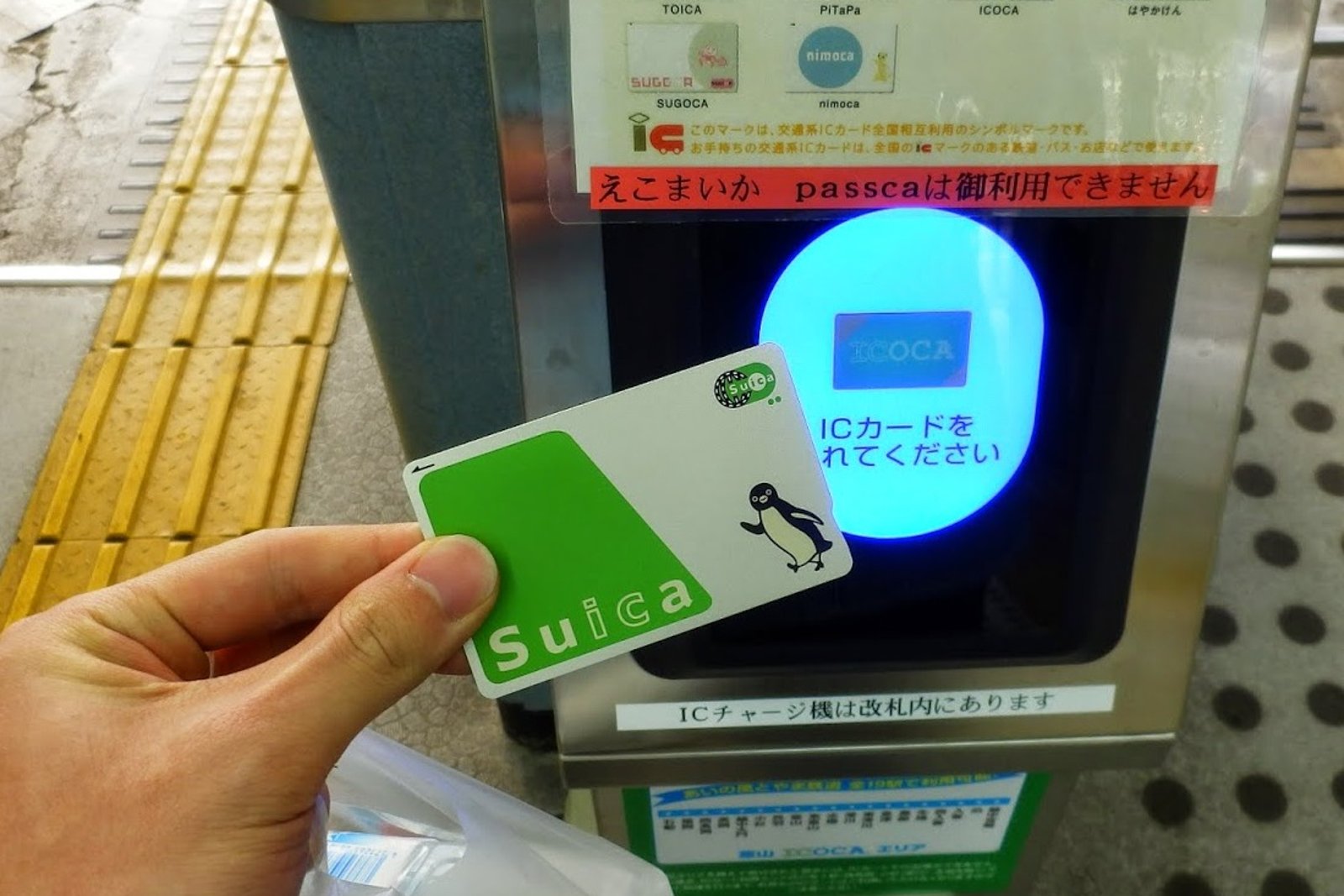
The two best-known cards are Suica and Pasmo. For a traveler they are functionally almost identical — both work interchangeably across trains, subways, and buses in the Tokyo area and, thanks to nationwide IC compatibility, in most major cities across Japan. The difference is mainly the issuing company (Suica is from JR East; Pasmo from the private railways and subways). Pick whichever you can get easily; for travel purposes they behave the same. There are also regional equivalents — most notably ICOCA in the Kansai/Kyoto/Osaka area — which are similarly interchangeable for most travel nationwide.
Good news: cards are easy to buy again
You may have read that Suica and Pasmo were hard to get due to a global semiconductor shortage that limited card production. That restriction ended in March 2025 — standard cards are once again readily sold at airport stations and major station ticket machines, so you no longer need to worry about them being unavailable. A few options to know:
Standard Suica/Pasmo: buy at ticket machines (with an English option) or counters; they carry a small refundable deposit and don't expire as long as they're used periodically.
Welcome Suica (and tourist Pasmo Passport): visitor-oriented cards with no deposit, valid for 28 days from first use — handy for a short trip, though any leftover balance isn't refunded.
Mobile/digital IC cards: you can add Suica or Pasmo to a phone wallet on supported devices and recharge with a card — no physical card needed. There's also a Welcome Suica Mobile app aimed at overseas visitors.
How to get one
Buy at ticket machines in train and subway stations (including right at the airport station) or at staffed counters.
Load it with cash at the machine (English menus available); some machines also take cards.
Choose a physical card, a tourist version, or add a digital one to your phone if supported.
Get one as soon as you arrive — at the airport station or your first train station — so transit is sorted from minute one.
How to use it
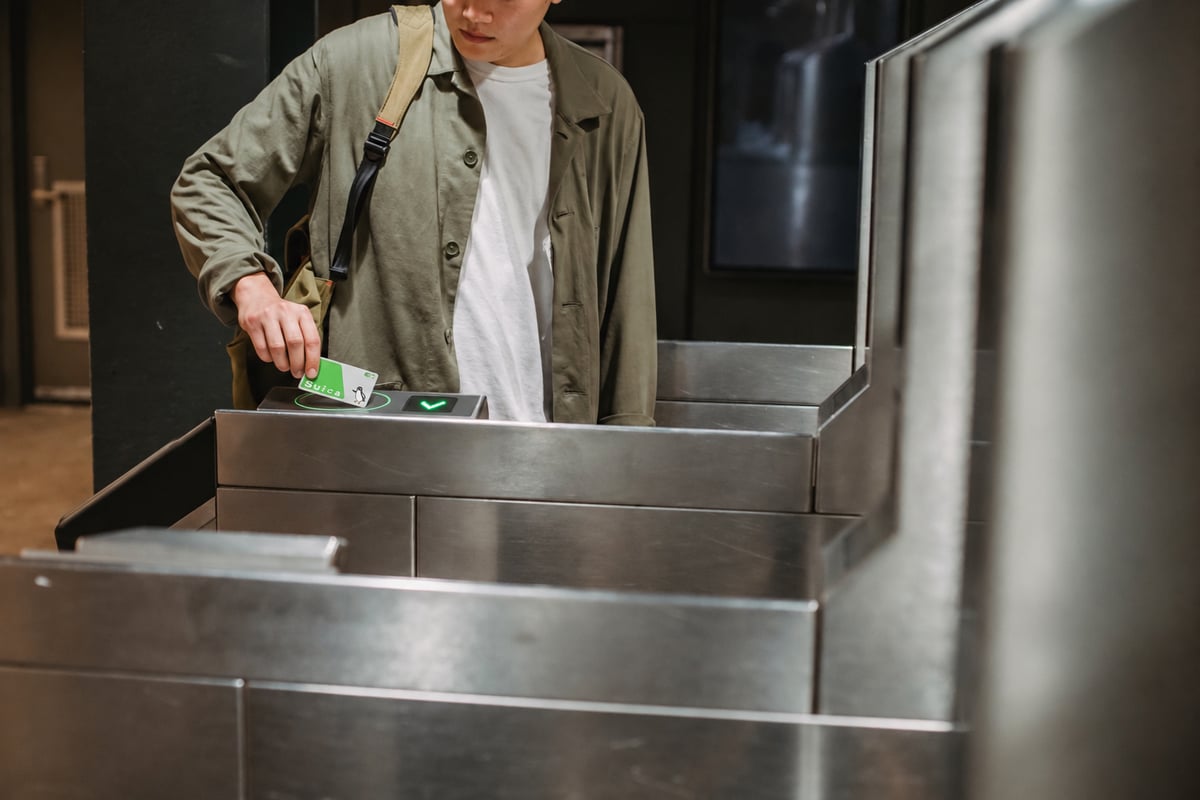
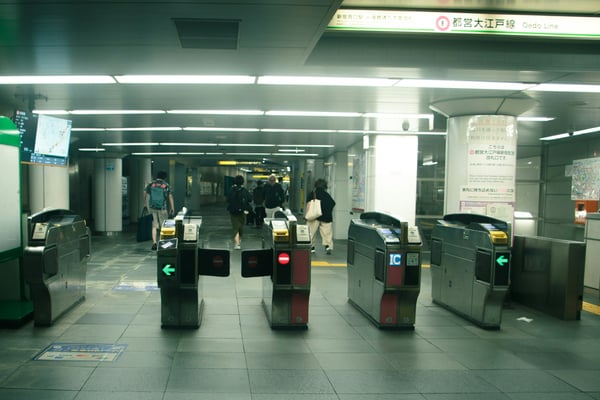
Transit: tap on the reader at the gate when entering, and tap again when exiting; the fare is automatic. On buses, tap when boarding and (usually) again when alighting.
Shopping: tap to pay at convenience stores, vending machines, many shops and restaurants, and station lockers — a fast, cashless convenience.
Recharge (chage): top up with cash at any station machine when the balance runs low; keep a positive balance, since you can't exit a gate with insufficient funds (use a fare-adjustment machine if caught short).
Good to know: the limits
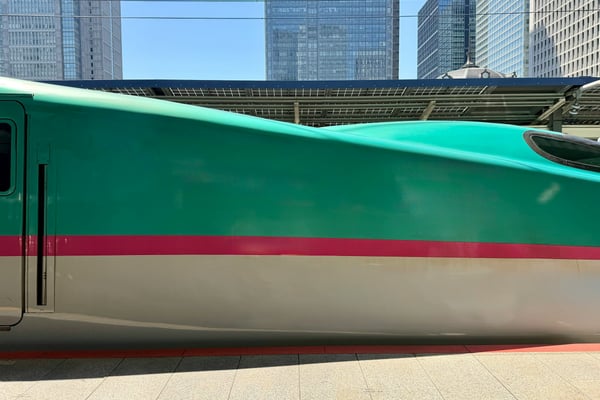
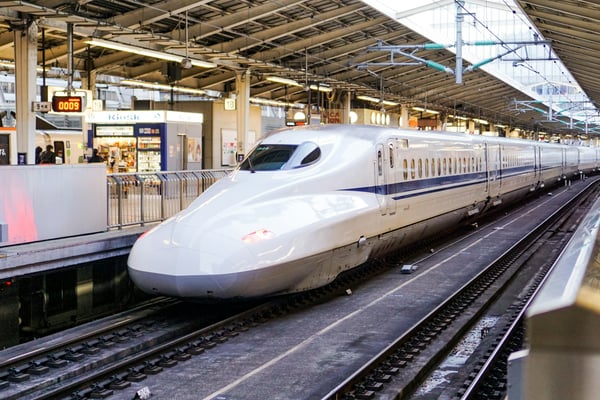
IC cards are brilliant for everyday city and regional transit, but a couple of limits are worth understanding. You generally can't ride across separate IC "areas" in one tap (for long intercity journeys the system won't let you tap out far away on a single ride), and the card doesn't cover limited-express or Shinkansen travel — trains like the Narita Express, Keisei Skyliner, and the Haruka airport express, and all bullet trains, need their own separate ticket. For those, buy the ticket separately; the IC card is for the ordinary local and regional trains, subways, and buses.
Where this fits into your bigger transit plan
Getting an IC card sorted is the easy part of Japan transit — it's a five-minute errand with almost no wrong choices. The harder decision most first-timers actually face is what to pair it with: whether a Japan Rail Pass makes sense for your specific route, and where the line falls between rides your IC card covers and the longer-distance Shinkansen hops it doesn't. Get the IC card sorted first, since it's zero-risk and instant, then work out the pass math separately — Japan, Worked Out walks through exactly how the two fit together for different itinerary shapes.
Practical tips
One card per person — you generally can't pass one card back through a gate for two people.
Children can have their own card with children's fares applied.
Keep it handy — in a phone case or easy pocket — since you'll tap constantly.
Leftover balance can be spent on purchases; standard cards can often be refunded at a JR/operator counter (sometimes minus a small fee), but many travelers just spend it down at a convenience store before leaving.
A digital card on your phone avoids the deposit and refund hassle entirely, if your device supports it.
Bottom line
Whether you get a Suica, Pasmo, ICOCA, or a digital version on your phone, an IC card is an absolute must — and they're easy to buy again now that the shortage has ended. Grab one on arrival, keep it topped up, tap your way effortlessly through Japan's trains, subways, buses, and shops, and just remember to buy separate tickets for the Shinkansen and airport express trains.
FAQ
What is an IC card?
An IC card is a prepaid, rechargeable smart card you simply tap on readers to ride public transit and make small purchases. There's no need to calculate fares or buy individual paper tickets — you tap in when you enter a station, tap out when you leave, and the correct fare is deducted automatically. It turns Japan's complex web of…
What is the difference between Suica and Pasmo?
The two best-known cards are Suica and Pasmo. For a traveler they are functionally almost identical — both work interchangeably across trains, subways, and buses in the Tokyo area and, thanks to nationwide IC compatibility, in most major cities across Japan. The difference is mainly the issuing company (Suica is from JR East; Pasmo…
Are Suica and Pasmo cards hard to buy now?
You may have read that Suica and Pasmo were hard to get due to a global semiconductor shortage that limited card production. That restriction ended in March 2025 — standard cards are once again readily sold at airport stations and major station ticket machines, so you no longer need to worry about them being unavailable. A few options to know:
Standard Suica/Pasmo: buy at ticket machines (with an English option) or counters; they carry a small refundable deposit and don't expire as long as they're used periodically.
Welcome Suica (and tourist Pasmo Passport): visitor-oriented cards with no deposit, valid for 28 days from first use — handy for a short trip, though any leftover balance isn't refunded.
Mobile/digital IC cards: you can add Suica or Pasmo to a phone wallet on supported devices and recharge with a card — no physical card needed. There's also a Welcome Suica Mobile app aimed at overseas visitors.