The Japan Rail Pass is one of the first things travelers research — and one of the most misunderstood, especially since a major price increase changed the math. It can still be excellent value or a clear waste of money depending entirely on your itinerary. Here's how to decide for your trip, with the current pricing reality.
What the Japan Rail Pass is
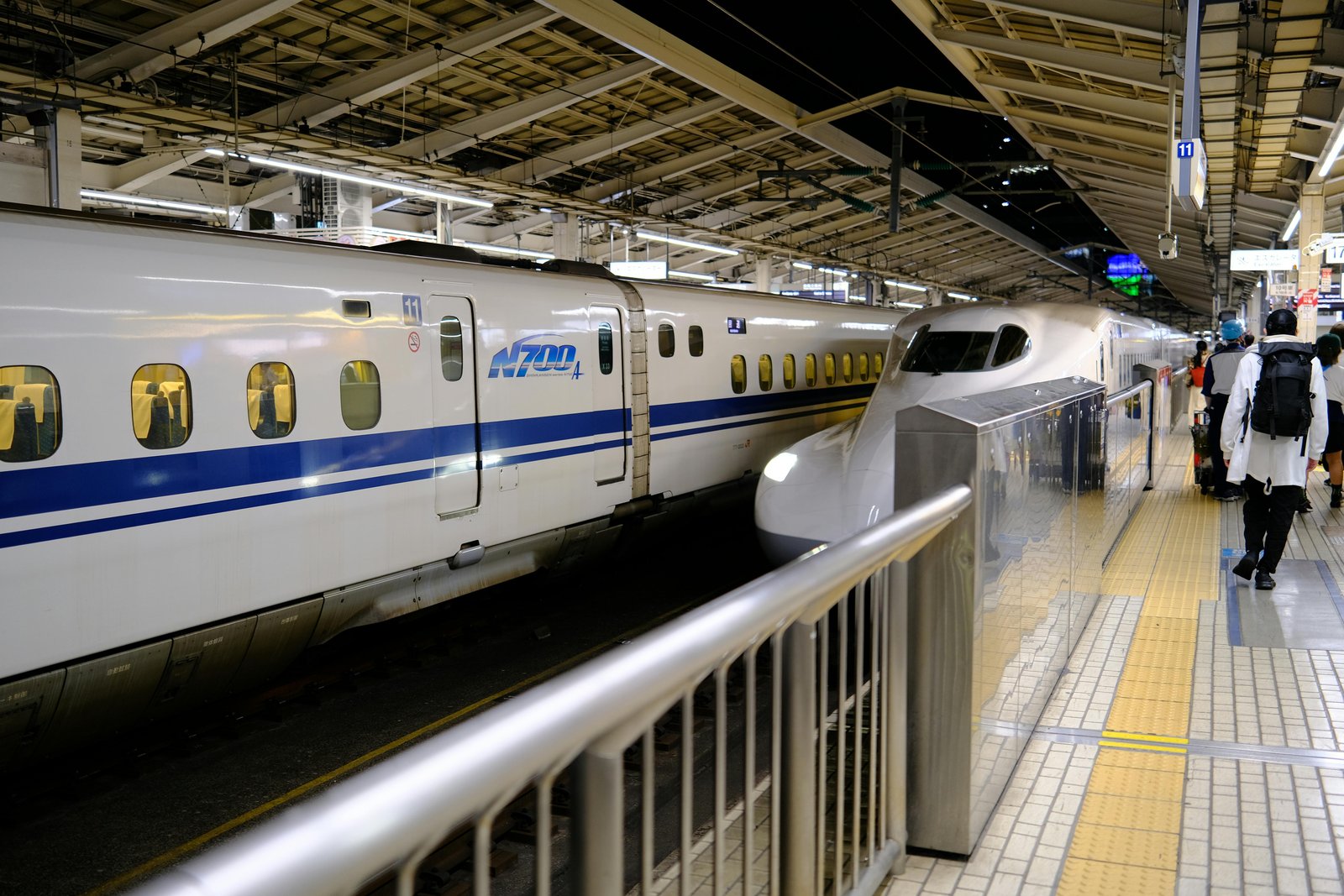
The Japan Rail Pass (JR Pass) is a special ticket, available to foreign tourists, that gives unlimited travel on most JR trains — including many Shinkansen bullet trains — for a set number of consecutive days (7, 14, or 21). It's sold in nationwide and various regional versions. The idea is simple: one upfront price for unlimited JR travel during the validity window.
The journeys the pass has to pay for: Tokyo → Kyoto → Osaka → Hiroshima. (Enable JavaScript for the interactive map.)
The price reality (and why the math changed)
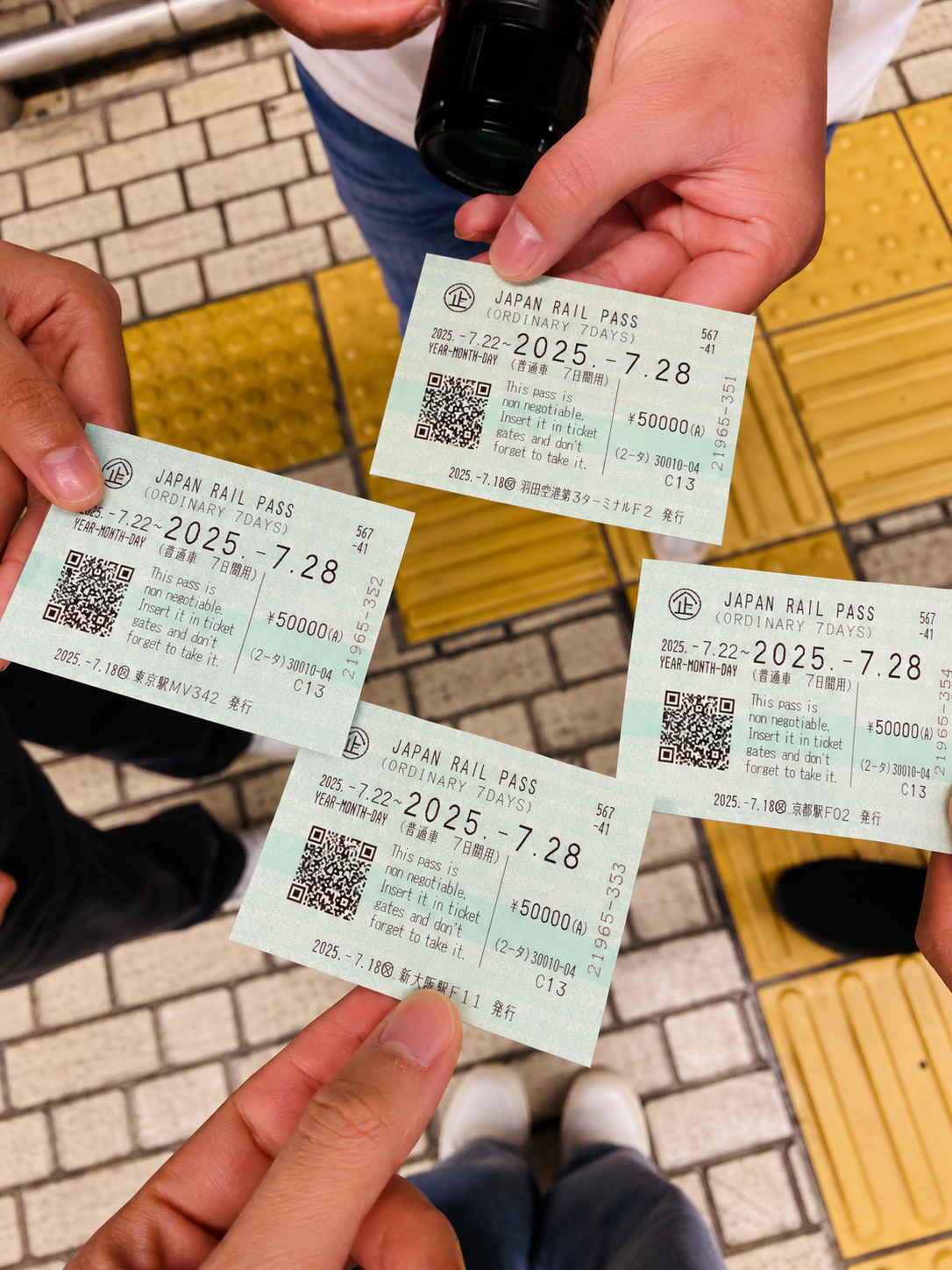
In late 2023 the nationwide pass rose sharply in price — by roughly 65–70% — which fundamentally changed when it's worth buying. As of 2026 the nationwide Ordinary pass costs roughly ¥50,000 for 7 days, ¥80,000 for 14 days, and ¥100,000 for 21 days (the Green Car version costs more; children 6–11 are half price). Note that prices purchased through overseas channels are set to rise again on October 1, 2026 (the 7-day Ordinary pass to about ¥53,000), so check the current figure for your travel dates.
When it's worth it
The pass pays off when you do a lot of long-distance JR travel within the validity window — more than it used to take. The key shift to understand: a single round trip between Tokyo and Kyoto on the Shinkansen now runs roughly ¥28,000, which only covers a bit more than half the ¥50,000 seven-day pass. So that classic round trip alone no longer justifies the pass. You need substantial additional long-distance travel on top — for example adding Hiroshima, Fukuoka, or several more intercity Shinkansen hops within the seven days — to push past the break-even point. For trips with that much rail movement, the pass is convenient and can save money.
When it's NOT worth it
After the price rise, the pass is not worth it for many common first-trip itineraries:
You're staying mostly in one city (e.g. just Tokyo), where local transit isn't the pass's strength and individual fares are cheap.
You're doing the classic Tokyo + Kyoto trip with just one round trip between them — individual Shinkansen tickets will almost certainly cost less than a full nationwide pass.
Your long-distance travel is spread out beyond the consecutive-day window, so you'd waste paid days.
For a lot of first-timers doing Tokyo plus Kyoto, the honest answer now is: skip the nationwide pass and buy individual tickets, unless you're adding significant extra distance.
How to decide: do the math
The reliable method hasn't changed, even if the answer often has: add up the individual fares for the long-distance JR trips you actually plan to take, then compare that total to the current price of the pass for the matching number of days. If your fares clearly exceed the pass price, buy the pass; if they don't, buy tickets as you go. Because both the pass price and individual fares change over time, always check current prices for your specific route before committing.
Important notes
The pass covers JR lines — not private railways or city subways (your IC card handles those).
It does not cover the fastest Nozomi and Mizuho Shinkansen without paying a supplement; use the covered Hikari and Sakura services, which are only marginally slower on most routes.
Regional JR passes (e.g. Kansai-area or wider west-Japan passes) can be far better value if your travel is concentrated in one region — often worth more consideration now than the pricey nationwide pass.
Buy and activate per the current official process; eligibility is for short-term foreign visitors (Temporary Visitor status).
The pass decision is really a route decision
Notice that the pass math depends entirely on something you haven't necessarily decided yet: how many cities you're visiting and how far apart they are. That's not a coincidence — the JR Pass question and the "how many bases, in what order" question are really the same decision looked at from two angles. Settle your route first, with real distances and a real day count, and the pass math falls out of it almost automatically; try to answer the pass question in isolation and you're guessing. Japan, Worked Out works through routing and rail costs together for exactly this reason.
Bottom line
Since the big price hike, the nationwide Japan Rail Pass is worth it only for itineraries with a lot of long-distance JR travel — not for single-city trips or a simple Tokyo–Kyoto round trip, where it no longer pays for itself. Don't buy it by default. Add up your planned fares, compare to the current pass price, look at regional passes as an alternative, and let the math decide for your specific route.
FAQ
What is the Japan Rail Pass?
The Japan Rail Pass (JR Pass) is a special ticket, available to foreign tourists, that gives unlimited travel on most JR trains — including many Shinkansen bullet trains — for a set number of consecutive days (7, 14, or 21). It's sold in nationwide and various regional versions. The idea is simple: one upfront price for unlimited JR…
Why did the Japan Rail Pass math change?
In late 2023 the nationwide pass rose sharply in price — by roughly 65–70% — which fundamentally changed when it's worth buying. As of 2026 the nationwide Ordinary pass costs roughly ¥50,000 for 7 days, ¥80,000 for 14 days, and ¥100,000 for 21 days (the Green Car version costs more; children 6–11 are half price). Note that prices…
When is the Japan Rail Pass worth buying?
The pass pays off when you do a lot of long-distance JR travel within the validity window — more than it used to take. The key shift to understand: a single round trip between Tokyo and Kyoto on the Shinkansen now runs roughly ¥28,000, which only covers a bit more than half the ¥50,000 seven-day pass. So that classic round trip alone…