Japan's major train stations can be vast and bustling — small cities in themselves, with multiple levels, dozens of exits, and hundreds of thousands of passengers a day. But they're remarkably well organized, clean, and signed, and with a few tips, navigating them becomes second nature within a day or two. Here's how to move through them confidently, even jet-lagged and hauling luggage.
Signs are your friend (and in English)
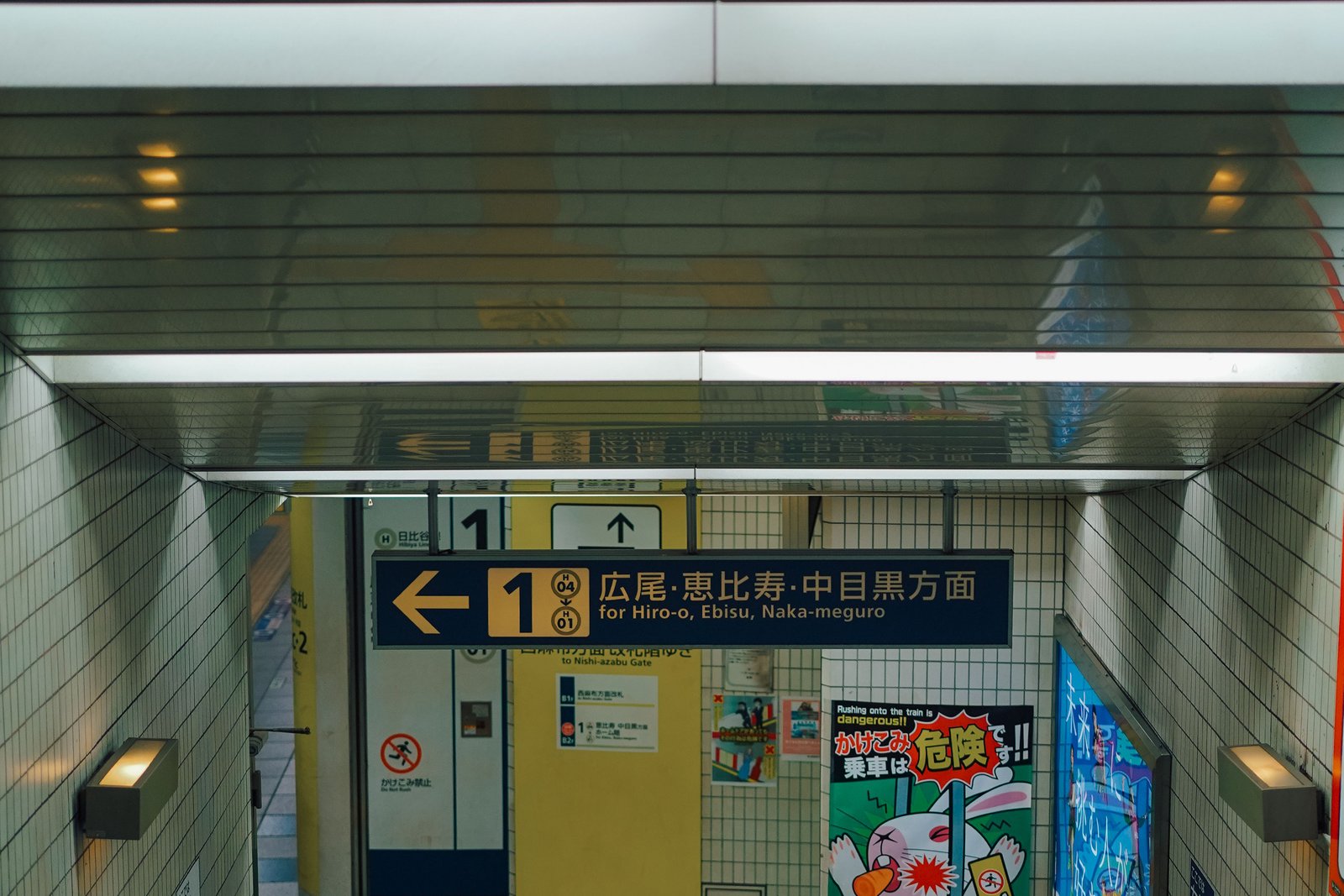
Major stations have clear English signage throughout, alongside Japanese — with color-coded lines, directional arrows, platform numbers, and station numbers. Follow the signs for your line (identified by its color and letter) and your direction of travel. Large electronic boards display upcoming train times, platforms, and destinations, cycling through English. Once you learn to follow the color of your line, even a huge station becomes a matter of following arrows.
Finding your platform
Use a transit app to know your line, direction, and platform number before you enter — this is the single biggest time-saver.
Follow signage to the correct line, then to the correct platform for your direction (endpoints/destinations are signed, so know which way you're heading).
Platform displays show the next trains, their type (local, rapid, express, limited express), and which stations they stop at — check the type, as faster trains skip stations and you don't want to overshoot or get left behind.
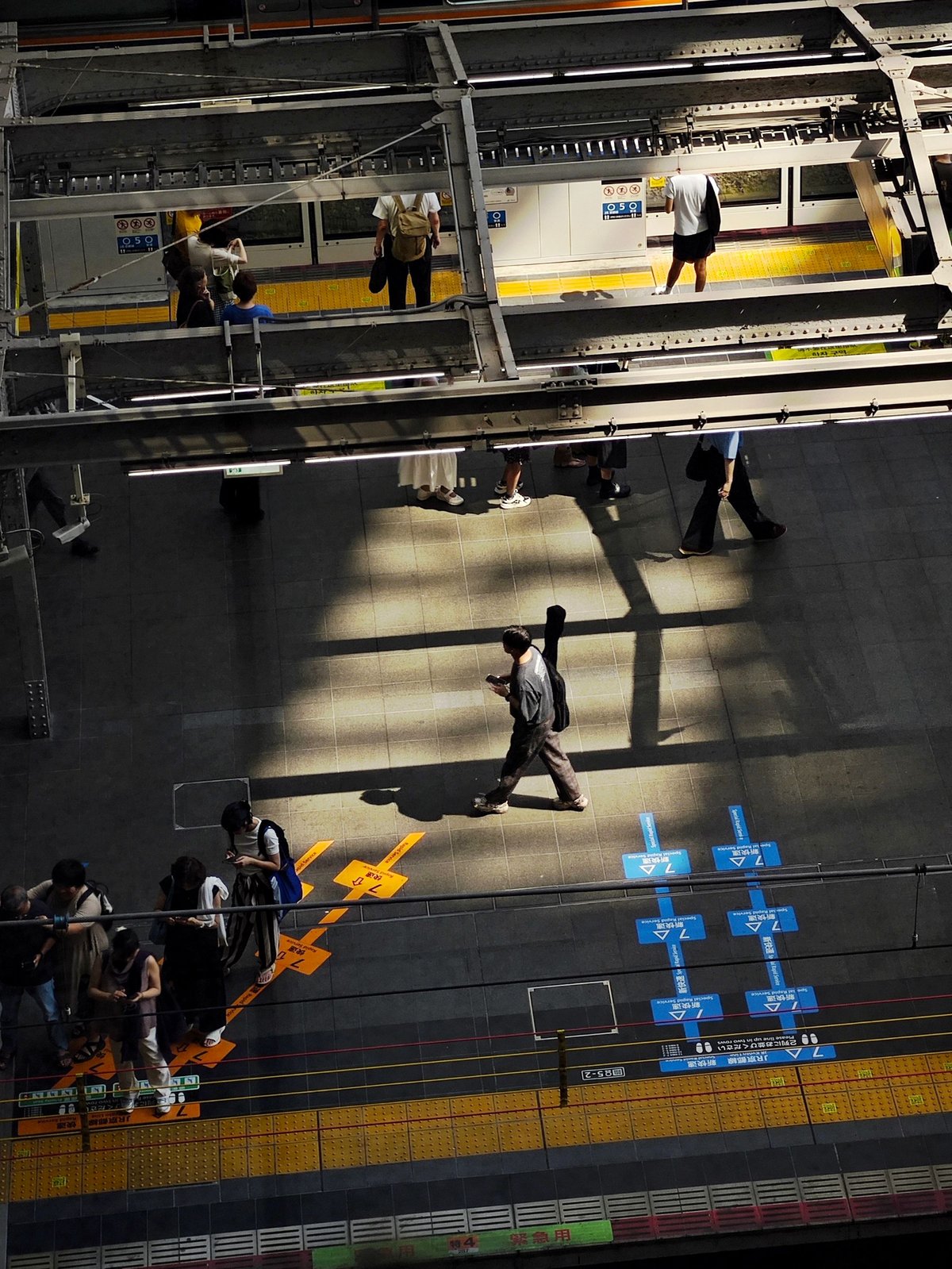
Floor markings show exactly where each door will open and where to queue.
The exit matters — a lot
The exit is the biggest first-timer lesson: large stations have many exits, sometimes dozens, spread across a wide area and even different sides of a district. Taking the wrong one can mean a 10–15 minute detour or a long walk back around. Know your exit name or number in advance — your map app or directions will usually specify it (e.g. "Hachiko Exit," "East Exit," or a numbered exit like "Exit A3"). Follow the signs to that specific exit. When in doubt, large maps near the gates show all exits and what's near each.
Using your IC card
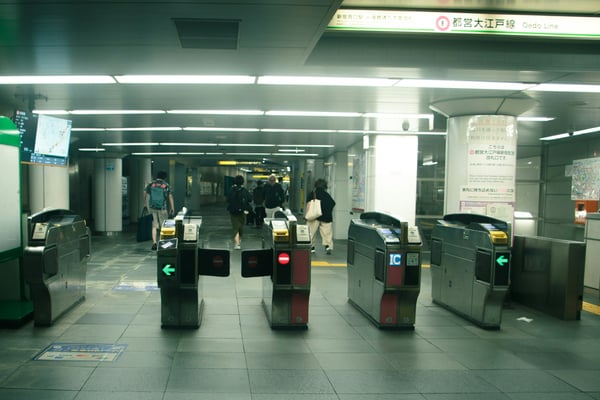
Tap your IC card (Suica, Pasmo, ICOCA, etc.) on the reader at the ticket gates to enter and exit — the gate opens and the correct fare is deducted automatically, no ticket required. If your balance is too low to exit, don't panic: use a fare-adjustment (seisanki) machine near the gates to top up before tapping out. Keep the card somewhere easily accessible, since you'll be tapping frequently throughout the day. Note that you generally can't ride between separate IC "areas" (e.g. far intercity stretches) on the card alone, and limited-express or Shinkansen trains need a separate ticket.
Helpful station facilities
Coin lockers: widely available in various sizes for storing luggage while you explore — many now take IC cards. Perfect for day trips or the gap before hotel check-in. (They fill up at busy stations, so grab one early.)
Restrooms: clean, free, and found throughout stations.
Convenience stores, bakeries, and food: stations are packed with shops, bento, ekiben, and eateries — often a great quick meal.
Information counters and staff: staff at major stations can help, and many speak some English; don't hesitate to ask or point to your destination.
Luggage forwarding (takkyubin) counters at some stations can send bags ahead to your next hotel.
Tips for a smooth experience
Allow extra time at big stations, especially for transfers — walking distances between lines can be surprisingly long.
Avoid rush hour (roughly 8–9am and 6–7pm on weekdays) with luggage if you possibly can — the busiest lines get extremely packed.
Stand on the correct side of escalators (the standing side varies by region — left in Tokyo, right in Osaka — so just observe and follow the locals), leaving the other side clear for walkers.
Keep with the flow of foot traffic and don't stop suddenly in busy passages; step to the side to check your phone or map.
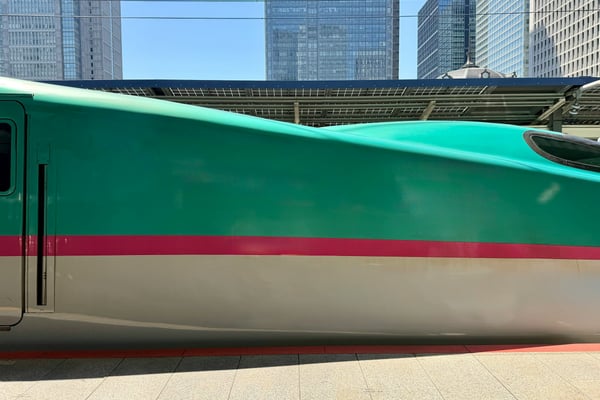
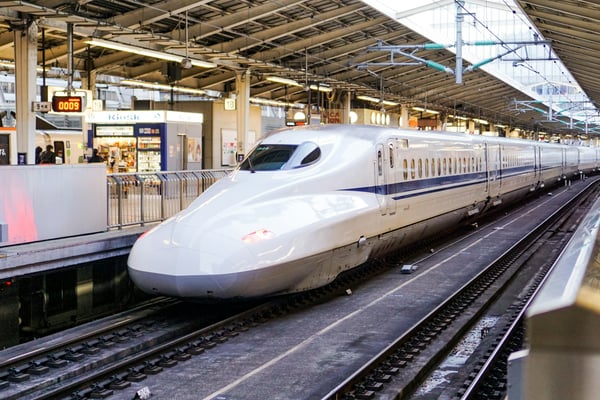
For the Shinkansen, there are separate gates and platforms — follow the dedicated bullet-train signs.
Let passengers off the train first before boarding, and line up on the platform markings.
The mega-stations worth knowing in advance
A handful of stations are large enough to deserve a specific mention: Shinjuku (the world's busiest, over 200 exits), Tokyo Station (a maze of underground passages linking Shinkansen, JR, and subway lines), and Kyoto Station (large but far simpler, essentially one long concourse). If your itinerary routes you through any of these for a transfer, budget extra time on that leg specifically rather than assuming a station transfer takes the same few minutes everywhere.
Bottom line
Japanese stations are big but deeply logical. Lean on a transit app, follow the excellent English signage and line colors, know your exit before you arrive, tap through with your IC card, and make use of the lockers, food, and facilities. A little preparation turns even the most daunting mega-station into easy, navigable territory — and the efficiency quickly becomes one of the quiet joys of traveling in Japan. Getting comfortable with stations matters most on the days your itinerary asks the most of them — the transfer days between cities — which is exactly what Japan, Worked Out is built to plan around.
FAQ
Are Japanese train station signs in English?
Major stations have clear English signage throughout, alongside Japanese — with color-coded lines, directional arrows, platform numbers, and station numbers. Follow the signs for your line (identified by its color and letter) and your direction of travel. Large electronic boards display upcoming train times, platforms, and…
Why does choosing the right station exit matter?
The exit is the biggest first-timer lesson: large stations have many exits, sometimes dozens, spread across a wide area and even different sides of a district. Taking the wrong one can mean a 10–15 minute detour or a long walk back around. Know your exit name or number in advance — your map app or directions will usually specify it…
How do you use an IC card at the gates?
Tap your IC card (Suica, Pasmo, ICOCA, etc.) on the reader at the ticket gates to enter and exit — the gate opens and the correct fare is deducted automatically, no ticket required. If your balance is too low to exit, don't panic: use a fare-adjustment (seisanki) machine near the gates to top up before tapping out. Keep the card…