One of the happiest surprises for first-time visitors is just how astonishingly good Japan's convenience stores (konbini) are. Far beyond the gas-station snacks the word implies back home, they offer cheap, fresh, genuinely tasty food around the clock — a budget traveler's secret weapon and a genuinely beloved part of daily life across Japan, from convenience seekers to serious food fans. Here's what to know and what to buy.
Why konbini are amazing
Japan's convenience stores — the big three chains, 7-Eleven, Lawson, and FamilyMart, are everywhere, including inside and beside train stations — are clean, ubiquitous (often several per block in cities), and stocked with quality food at low prices. They're open 24/7, accept cash and IC cards (and increasingly credit cards), and serve as a reliable source of meals, snacks, drinks, and travel essentials at any hour — including the odd hours a jet-lagged first night often runs on. For eating cheaply without sacrificing real quality, they're genuinely unbeatable — many travelers eat at least one konbini meal a day without complaint.
What to buy
Onigiri (rice balls)
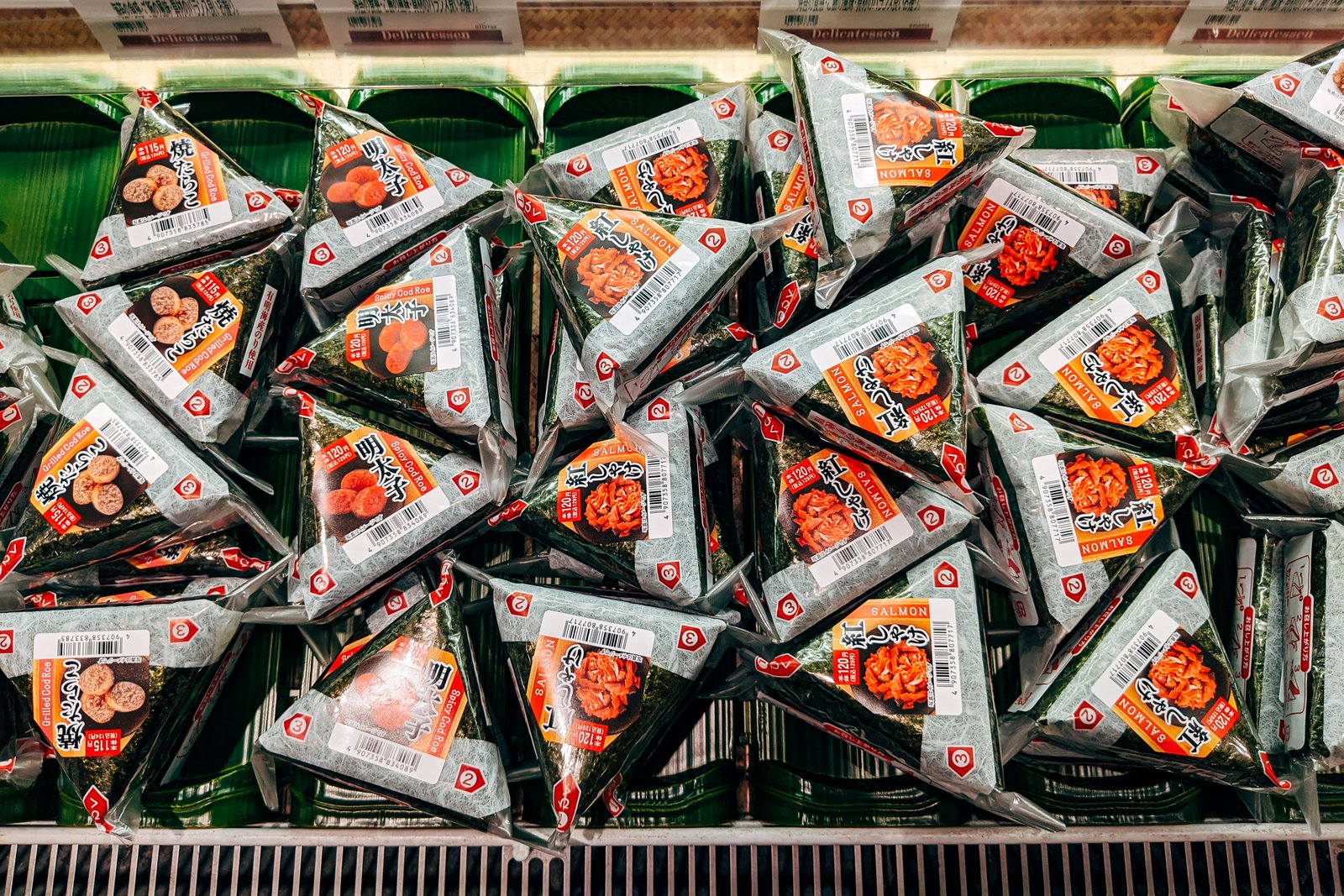
Triangular rice balls wrapped in crisp seaweed with fillings like grilled salmon, tuna-mayo, or pickled plum (umeboshi). Cheap (typically well under $2), filling, and a perfect grab-and-go snack or light meal. The clever packaging keeps the seaweed crisp and separate until you open it — there's a little three-step opening guide on each one.
Bento and hot meals
Boxed bento meals and hot dishes can be heated in-store by staff (just hand it over, or it's asked at the register) — a full, balanced meal for a few dollars. Pasta, rice bowls, noodle dishes, and curry are all available and surprisingly good, with the exact lineup varying store to store and refreshing constantly.
Sandwiches
The famous egg salad sandwich (tamago sando) has a genuine cult following, alongside fruit sandwiches (with cream), katsu sandwiches, and other neatly crustless options.
Hot snacks at the counter
Many konbini have a hot case by the register with fried chicken (the famous karaage-kun), steamed pork buns (nikuman), corn dogs (American dogs), croquettes, and oden (a simmered hot-pot snack that appears seasonally in winter, with fish cakes, boiled eggs, and daikon simmered together in a savory broth) — just point and order.
Noodles and soups
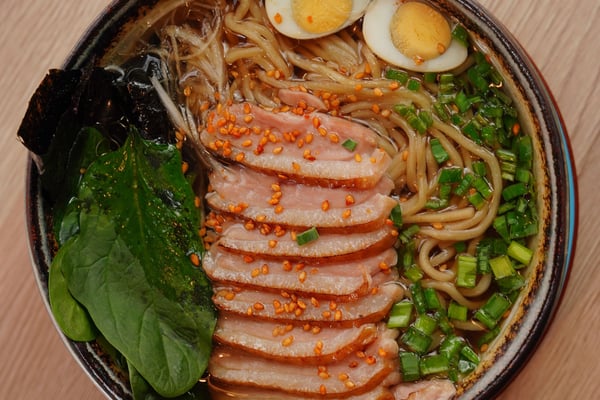
Instant cup noodles (add hot water from the in-store dispenser) and fresh chilled noodle bowls are cheap and satisfying, with seasonal and regional varieties worth trying — some konbini-exclusive cup noodle flavors have their own dedicated fanbases and never make it to supermarket shelves at all.
Drinks and sweets
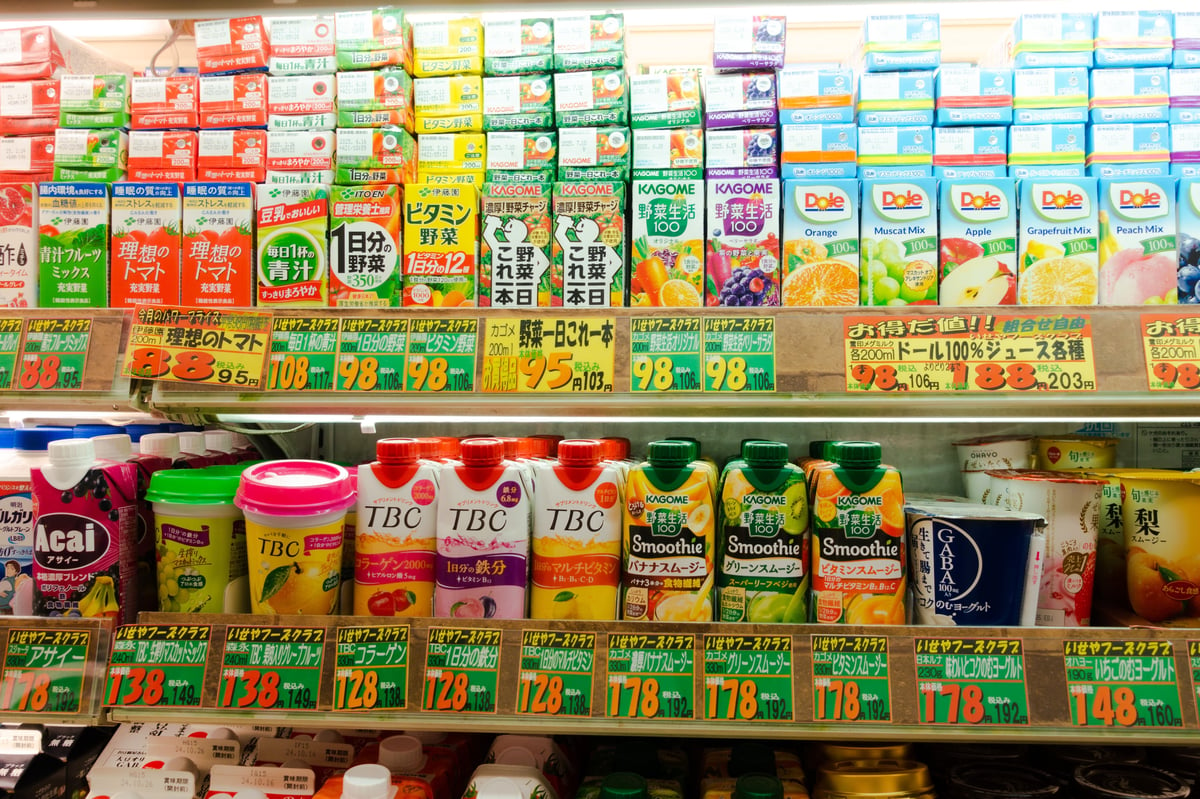
A huge range of hot and cold drinks — coffee, bottled teas, juices, sports drinks, and seasonal specials.
Fresh-brewed convenience-store coffee from a self-serve machine, surprisingly good and very cheap.
Excellent desserts — puddings, cakes, mochi, daifuku, and premium ice cream that rival dedicated shops.
An ever-changing lineup of limited-edition and seasonal treats, including the famous regional KitKats.
Beyond food
Konbini are genuine lifesavers on the road, also selling travel essentials: toiletries, umbrellas, phone chargers and cables, socks and basic clothing, stationery, basic medicine, and snacks. Many have ATMs that accept foreign cards (the 7-Eleven ATMs are especially reliable for withdrawals), clean free restrooms, ticket machines, printing/copying, and bill-payment and package services. You can even pick up parcels or concert tickets.
Tips
Staff will heat your meal and provide utensils, chopsticks, and a straw — often automatically, or just ask.
There may be a small eat-in counter; otherwise, avoid eating while walking — find a spot to stand or sit.
Stock up on breakfast or late-night snacks when restaurants are closed — konbini never are.
Compare the three major chains; each has its own famous items and fans — 7-Eleven's egg salad sando and Lawson's premium Basque cheesecake and Karaage-kun chicken both have genuine cult followings worth seeking out specifically.
Why the quality is so consistently high
Konbini food quality isn't an accident — the chains compete fiercely on it, turning over their entire prepared-food lineup constantly (some items rotate within days) and treating convenience-store food development as a genuine culinary discipline rather than an afterthought. That intensity of competition, more than any single factor, is why a cheap, store-bought sandwich in Japan can taste like something a restaurant would charge several times as much for.
Bottom line
Don't sleep on konbini — they're one of the genuine joys of traveling in Japan. Cheap, delicious, spotless, and everywhere, they make eating well on a budget effortless and turn a quick snack run into a small adventure. At least once, build an entire meal — main, side, drink, dessert — from a single convenience store; you'll be impressed by the total, and you'll understand why locals rely on them for far more than an emergency snack.
FAQ
Why are Japanese convenience stores so good?
Japan's convenience stores — the big three chains, 7-Eleven, Lawson, and FamilyMart, are everywhere, including inside and beside train stations — are clean, ubiquitous (often several per block in cities), and stocked with quality food at low prices. They're open 24/7, accept cash and IC cards (and increasingly credit cards), and serve…
What should you buy at a konbini?
Triangular rice balls wrapped in crisp seaweed with fillings like grilled salmon, tuna-mayo, or pickled plum (umeboshi). Cheap (typically well under $2), filling, and a perfect grab-and-go snack or light meal. The clever packaging keeps the seaweed crisp and separate until you open it — there's a little three-step opening guide on each one.
What else do konbini sell besides food?
Konbini are genuine lifesavers on the road, also selling travel essentials: toiletries, umbrellas, phone chargers and cables, socks and basic clothing, stationery, basic medicine, and snacks. Many have ATMs that accept foreign cards (the 7-Eleven ATMs are especially reliable for withdrawals), clean free restrooms, ticket machines,…
Keep planning
Not sure how it all fits together?
Pick your trip length and we’ll route a real day-by-day plan.