Japan is a wonderful food destination, but travelers with dietary restrictions need to plan more carefully here than in many countries. Vegetarian, vegan, and allergy-conscious eating is very doable — especially in the big cities — but the catch is hidden ingredients, above all fish-based stock, which turn up where you'd least expect them. Here's how to navigate it safely and still eat well.
The hidden-ingredient challenge
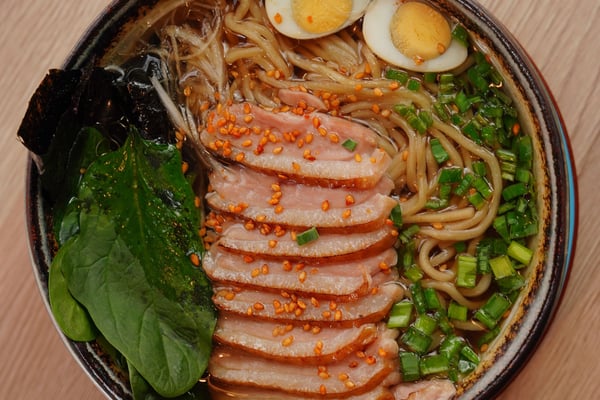
The biggest surprise for vegetarians and vegans is dashi — a foundational stock typically made from fish (bonito flakes, katsuobushi) and/or kelp — which forms the base of countless dishes, including many that look entirely vegetable-based: miso soup, noodle broths, simmered vegetables, sauces, and dressings. Beyond dashi, small amounts of pork, fish flakes (which appear as a topping on many dishes), and meat-based broths show up in unexpected places. The key thing to internalize: a "vegetable" dish in Japan is often not strictly vegetarian by Western standards, so you'll need to ask rather than assume.
Strategies that work
Carry a clear translation card. A card (or saved phone note) in Japanese explaining your restrictions is invaluable — state specifically what you can't eat, and for strict vegetarians/vegans, explicitly call out dashi and fish stock, since many cooks don't consider dashi "meat."
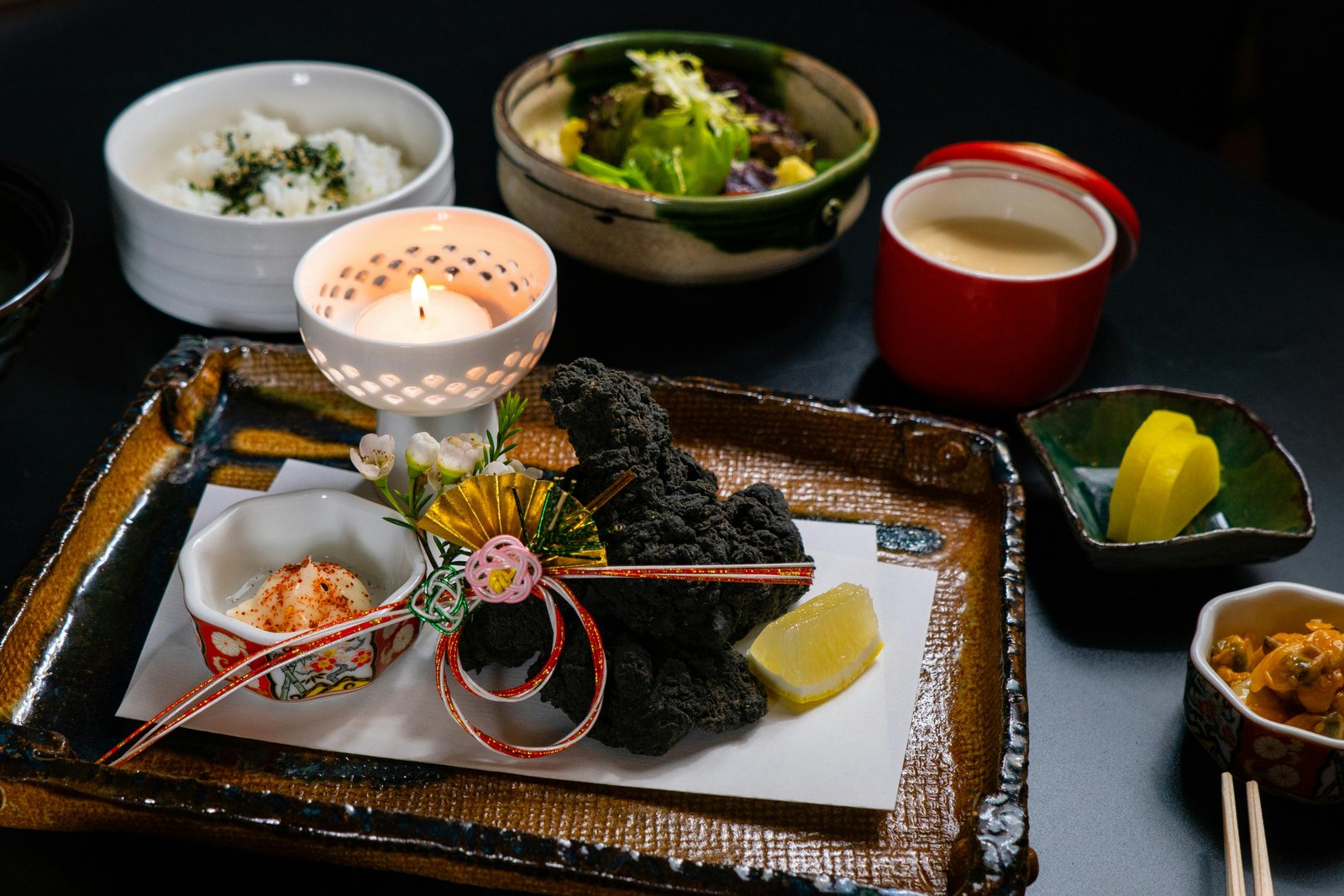
Seek out specialist cuisine.Shojin ryori (Buddhist temple cuisine) is traditionally plant-based and available near some temples and at temple lodgings — a delicious, refined option. That said, don't treat the label as an automatic guarantee: some modern temple kitchens or restaurants may use eggs, dairy, or fish-derived seasonings, so confirm at the specific establishment if you're strict. Indian, Italian, and other international restaurants also offer reliable vegetarian choices.
Use dedicated apps and guides. Vegetarian/vegan restaurant-finder apps and websites have grown a lot and help locate suitable places, especially in Tokyo, Kyoto, and Osaka.
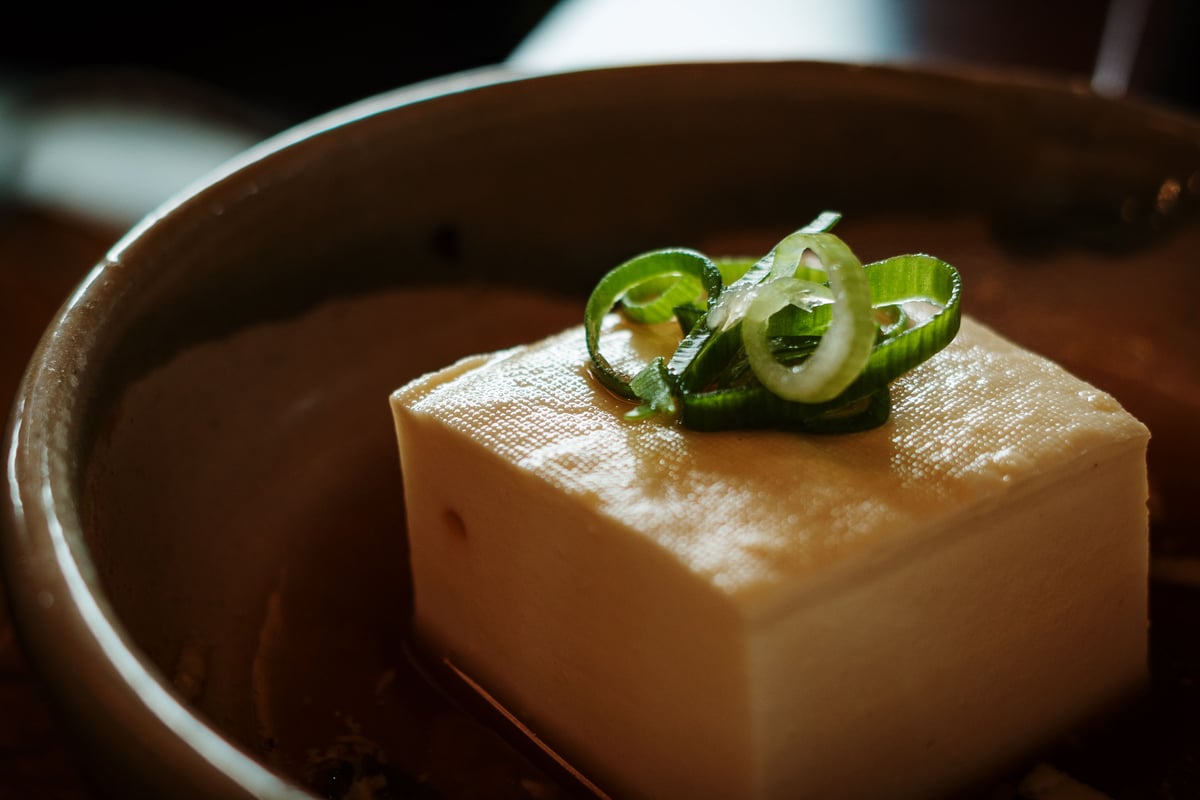
Stick to verifiable items when unsure — plain rice, certain noodles (check the broth), tempura vegetables, tofu dishes (confirm no dashi), fruit, and convenience-store items with labels you can check.
Allergies
For food allergies, extra caution is essential. Cross-contamination and hidden ingredients (soy, wheat, fish, shellfish, egg, buckwheat, peanuts) are common, and language barriers complicate communicating the seriousness of an allergy. Carry a clear, detailed allergy card in Japanese, research restaurants in advance, and when in doubt choose simpler dishes where you can verify the ingredients. One detail worth knowing specifically: Japan's mandatory packaged-food labeling law only requires nine allergens to be listed (shrimp, crab, walnut, wheat, buckwheat, egg, milk, peanut, and cashew) — soy and sesame, both mandatory to label in the US and EU, are only "recommended" in Japan, not required, so a soy or sesame allergy needs extra vigilance that a food label alone won't cover. Severe allergy sufferers should be especially careful, consider consulting specialist resources or an allergy-focused translation service before traveling, and never rely on a guidebook (including this one) as a substitute for confirming ingredients directly — treat all guidance here as a starting point, not a safety assurance.
Vegan-specific notes
Veganism is less widely understood in Japan, so awareness varies and dashi/egg/dairy slip into many dishes. Beyond shojin ryori and dedicated vegan spots (increasingly common in the big cities), you'll need to check carefully. Tokyo and Kyoto have a growing vegan scene with dedicated restaurants and cafes; rural areas are considerably harder, so plan and stock up where options are richer.
Halal, gluten-free, and other needs
Halal options are growing, especially in tourist areas and major cities, with some certified restaurants and prayer facilities — but research ahead, as availability is limited outside urban centers. Gluten-free is genuinely challenging: soy sauce (a staple in countless dishes) typically contains wheat, as do many seasonings and broths, so carry a card, verify carefully, and be aware that "no wheat noodles" doesn't mean a dish is gluten-free.
Practical tips
Big cities are far easier than rural areas — plan your special or restricted meals where options are richer, and be more self-sufficient (convenience stores, supermarkets) in the countryside.
Convenience stores and supermarkets let you check labels (a translation app that reads packaging helps a lot).
Department store food halls offer variety where you can inspect items before buying.
Communicate restrictions clearly, specifically, and politely; staff are generally very helpful once they understand — vague requests get vague results.
Bottom line
With preparation — a good translation/allergy card, awareness of hidden dashi, a shortlist of suitable spots, and a habit of confirming rather than assuming — vegetarians, vegans, and allergy-conscious travelers can eat well in Japan. Lean on shojin ryori, international options, and the big-city scene, plan around rural gaps, and always verify ingredients directly when it matters for your health — a food label in Japan covers fewer allergens by default than you may be used to at home, so the habit of asking is your real safety net, not the packaging.
FAQ
What is the hidden-ingredient problem for vegetarians in Japan?
The biggest surprise for vegetarians and vegans is dashi — a foundational stock typically made from fish (bonito flakes, katsuobushi) and/or kelp — which forms the base of countless dishes, including many that look entirely vegetable-based: miso soup, noodle broths, simmered vegetables, sauces, and dressings. Beyond dashi, small…
How do you handle food allergies in Japan?
For food allergies, extra caution is essential. Cross-contamination and hidden ingredients (soy, wheat, fish, shellfish, egg, buckwheat, peanuts) are common, and language barriers complicate communicating the seriousness of an allergy. Carry a clear, detailed allergy card in Japanese, research restaurants in advance, and when in doubt…
How well understood is veganism in Japan?
Veganism is less widely understood in Japan, so awareness varies and dashi/egg/dairy slip into many dishes. Beyond shojin ryori and dedicated vegan spots (increasingly common in the big cities), you'll need to check carefully. Tokyo and Kyoto have a growing vegan scene with dedicated restaurants and cafes; rural areas are considerably…
Keep planning
Not sure how it all fits together?
Pick your trip length and we’ll route a real day-by-day plan.