Affiliate disclosure: this guide contains affiliate links. If you book through them we may earn a commission, at no extra cost to you.
Ramen is one of Japan's great food joys — a steaming bowl of springy noodles in deeply flavored broth, endlessly varied by region, shop, and season. For first-timers the styles and ordering customs can be confusing, so here's a complete guide to the main types, the toppings, how to order, and how to eat your perfect bowl.
The four classic broth styles
Shoyu (soy sauce)
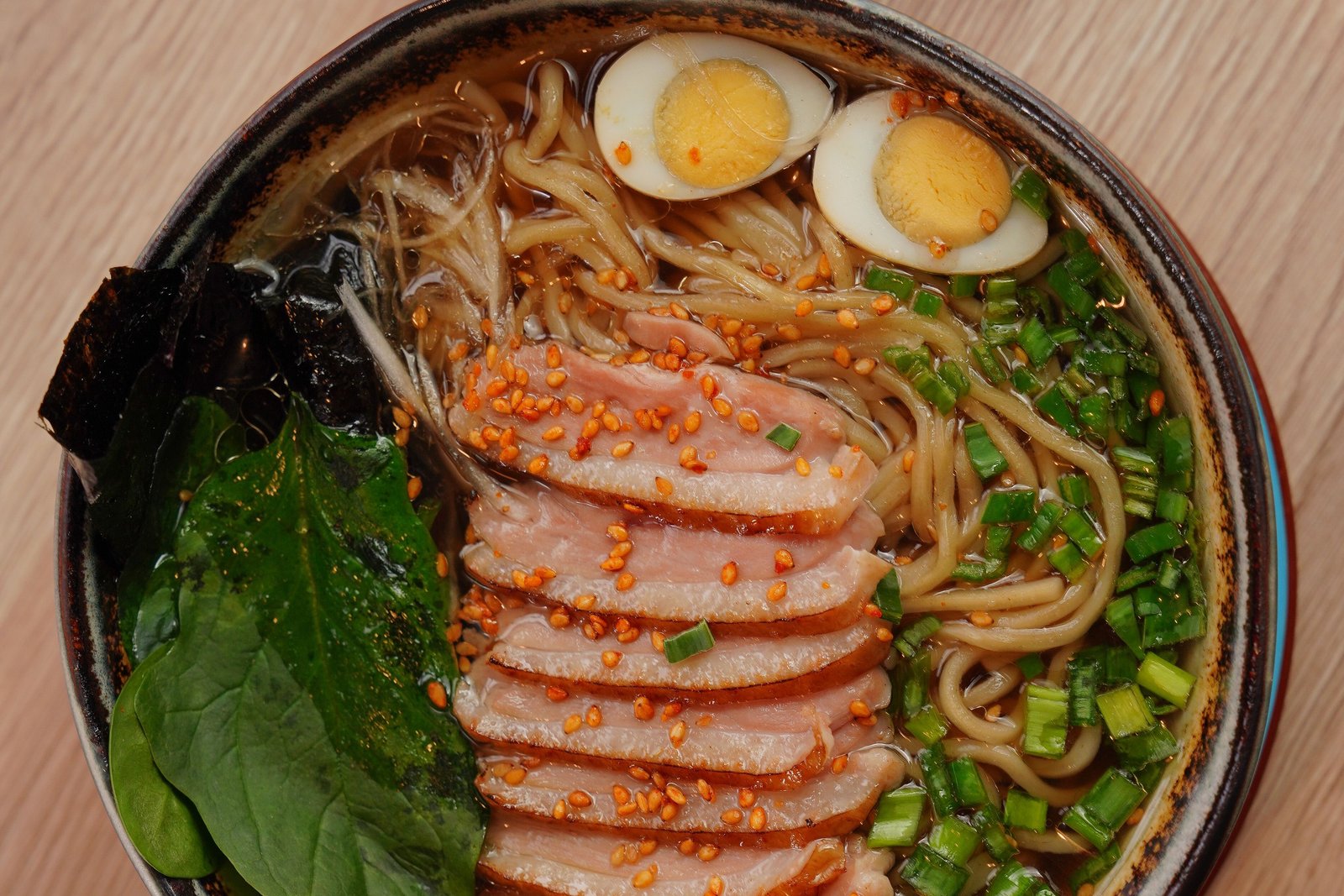
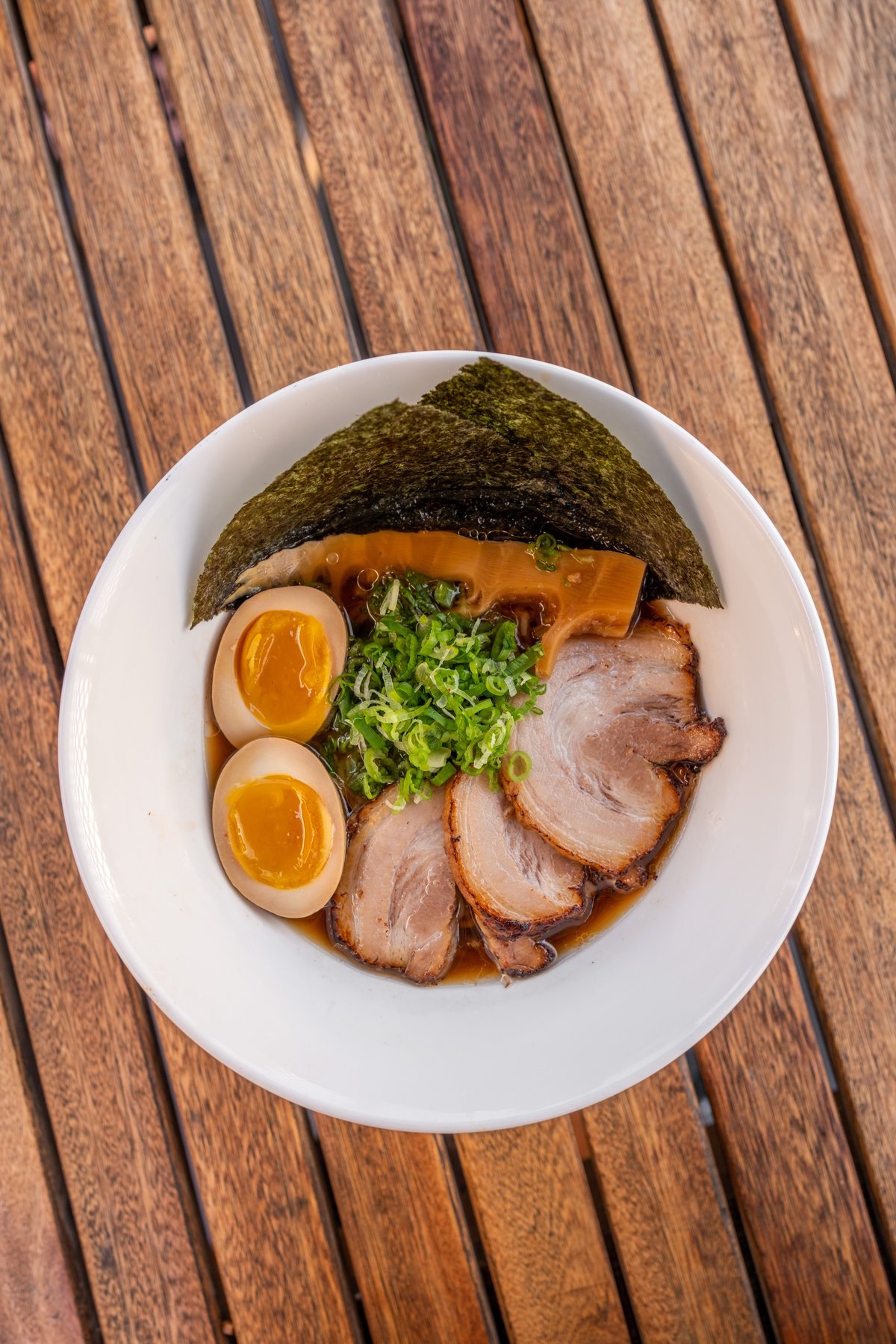
Shoyu ramen has a soy-sauce-based broth — savory, clear, and brown-tinted, usually over a chicken or vegetable stock. It's one of the original and most common styles, balanced and approachable, and strongly associated with Tokyo. A great default for first-timers.
Miso
Miso ramen uses fermented soybean paste for a hearty, rich, slightly sweet and complex broth. It originated in cold Hokkaido (Sapporo) and is warming and full-bodied — excellent in cooler weather, often topped with corn, butter, and bean sprouts in the northern style.
Shio (salt)
Shio ramen is salt-based — the lightest and often clearest broth, letting the underlying chicken, seafood, or vegetable flavors shine. Delicate and refreshing compared to the richer styles, and one of the oldest.
Tonkotsu (pork bone)
Tonkotsu ramen features a broth made by simmering pork bones for many hours into a creamy, milky, intensely rich soup. It's the specialty of Kyushu (Hakata/Fukuoka) and a favorite for its deep, savory flavor. Note that "tonkotsu" refers to the pork-bone broth itself — it's a base, and is often combined with a shoyu or shio seasoning (tare).
The noodles and toppings
Noodles vary from thin and straight to thick and wavy, often matched to the broth (thin straight noodles with tonkotsu, for example). Common toppings include chashu (braised sliced pork), a soft-boiled marinated egg (ajitama), green onions, menma (fermented bamboo shoots), nori seaweed, bean sprouts, and — in some regional styles — corn or a pat of butter. Many shops let you customize the richness, noodle firmness, and toppings, and offer kaedama (an extra portion of noodles) for your leftover broth at tonkotsu shops — a genuinely popular move rather than a greedy one, since the broth is the whole point and finishing it with fresh noodles is expected, not frowned on.
How to order
Many ramen shops use a ticket machine near the door — pick your bowl (photos help), pay, and hand the ticket to staff. No conversation needed.
Some shops ask your preferences: noodle firmness, broth richness, oil/fat level, garlic. When unsure, choose "standard" (futsuu).
At chains like Ichiran, you order via a paper form and eat in a private booth — ideal and low-pressure for solo diners or the shy.
Add extras like an egg, extra chashu, or kaedama noodles if offered.
Eating etiquette
Slurping is encouraged — it cools the noodles, aerates the broth for more flavor, and signals you're enjoying it.
Eat promptly while hot — noodles soften and lose their texture quickly, so ramen is meant to be eaten with gusto, not lingered over.
Use the renge (spoon) for broth and chopsticks for noodles; it's fine to lift the bowl to drink the broth.
It's normal to finish quickly and free up the seat at busy counter shops — ramen is fast food, not a leisurely meal.
Where ramen actually comes from
Despite feeling quintessentially Japanese today, ramen's roots are Chinese — Chinese immigrants brought wheat noodles in broth to Japanese port cities like Yokohama and Kobe in the late 1800s and early 1900s, and the dish was even called "Chinese soba" in Japan until the 1950s. Tokyo's first dedicated ramen shop opened in Asakusa in 1910. What's genuinely Japanese is everything that happened next: the regional broth styles, the ticket-machine ordering culture, and the instant-noodle format Momofuku Ando invented in 1958, which took the dish (and Japan's culinary influence) global.
Regional ramen to seek out
Ramen is deeply regional, and trying a city's signature style is a delicious way to experience local food culture as you travel: Hakata/Kyushu tonkotsu (thin noodles, creamy pork broth), Sapporo miso (rich, with corn and butter), Tokyo shoyu (classic clear soy), and countless local variations like Kitakata, Hakodate shio, and tsukemen (dipping ramen, where noodles and concentrated broth are served separately). Hunting down regional bowls becomes its own travel game — a good rule of thumb is to order the style a city is actually known for rather than defaulting to whatever's most familiar, since that's usually where the best version in the country is being made.
Start with shoyu or tonkotsu if you're unsure, slurp away without embarrassment, eat it hot and quickly, and explore regional styles as you travel the country. A great bowl of ramen is one of Japan's most satisfying, affordable, and genuinely varied pleasures — and with a style for every taste, there's a perfect bowl out there for you.
FAQ
What are the four classic ramen broth styles?
Shoyu ramen has a soy-sauce-based broth — savory, clear, and brown-tinted, usually over a chicken or vegetable stock. It's one of the original and most common styles, balanced and approachable, and strongly associated with Tokyo. A great default for first-timers.
How do ramen noodles and toppings vary?
Noodles vary from thin and straight to thick and wavy, often matched to the broth (thin straight noodles with tonkotsu, for example). Common toppings include chashu (braised sliced pork), a soft-boiled marinated egg (ajitama), green onions, menma (fermented bamboo shoots), nori seaweed, bean sprouts, and — in some regional styles —…
Where does ramen actually come from?
Despite feeling quintessentially Japanese today, ramen's roots are Chinese — Chinese immigrants brought wheat noodles in broth to Japanese port cities like Yokohama and Kobe in the late 1800s and early 1900s, and the dish was even called "Chinese soba" in Japan until the 1950s. Tokyo's first dedicated ramen shop opened in Asakusa in…
Keep planning
Not sure how it all fits together?
Pick your trip length and we’ll route a real day-by-day plan.