Ordering food in Japan is far easier than first-timers fear, even without speaking a word of Japanese — the systems are designed to be visual, efficient, and low-pressure. From plastic food models in the window to ticket machines and pay-at-the-counter simplicity, here's how dining actually works, step by step, from walking in to walking out.
Finding a place to eat
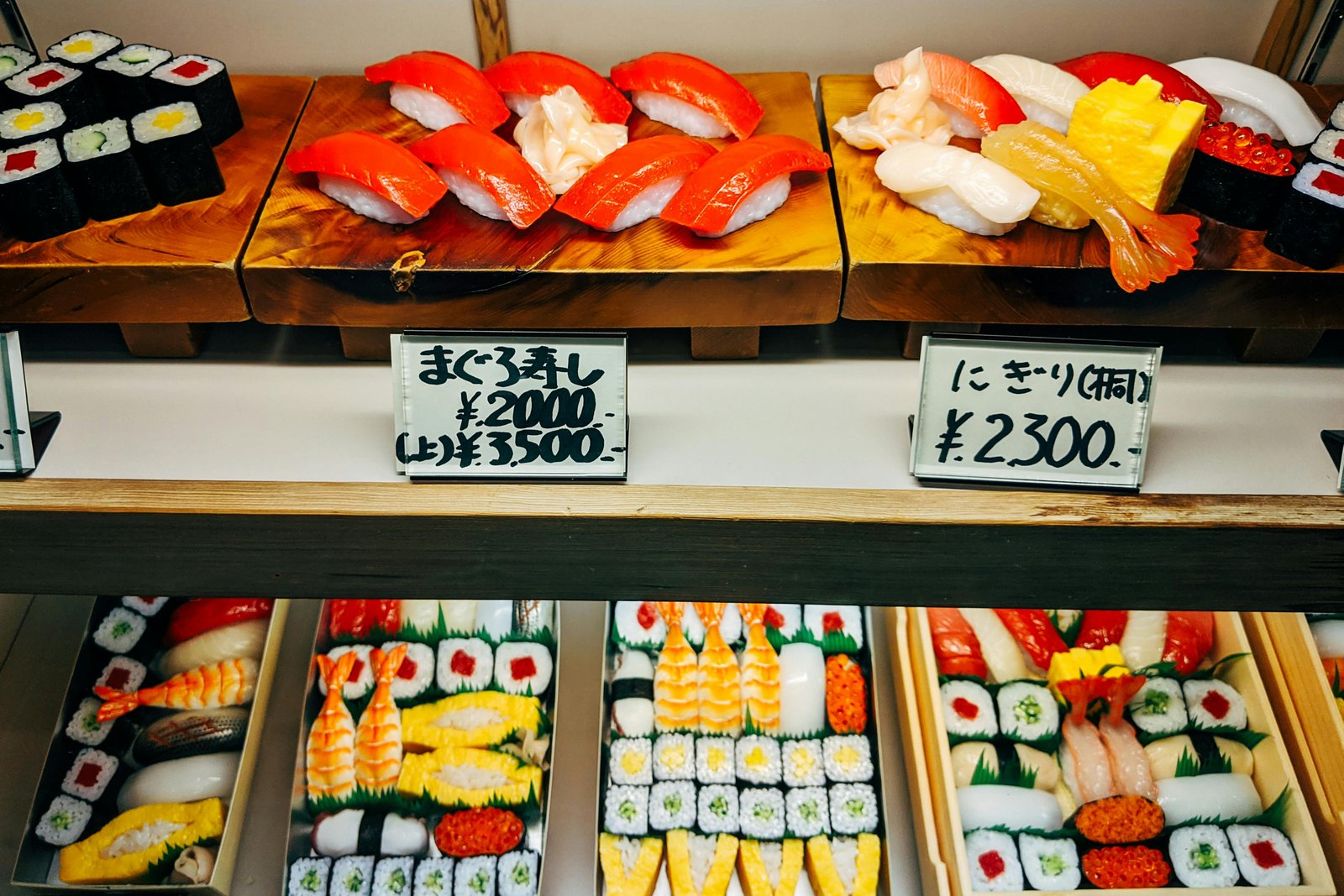
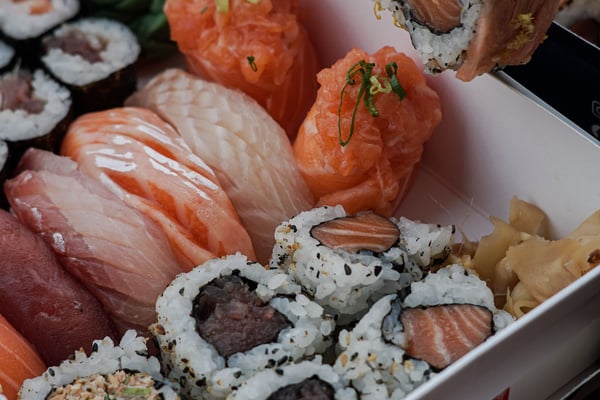
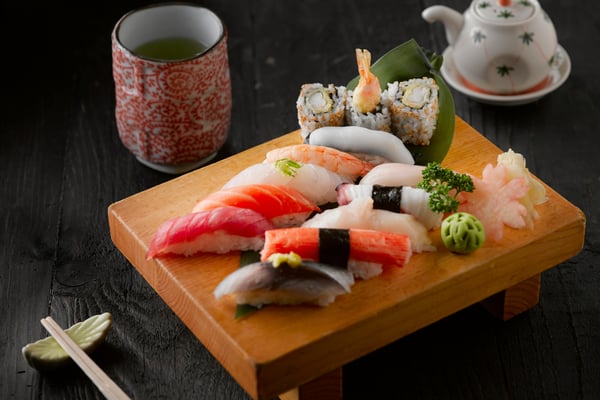
Look for restaurants with plastic food models (sampuru) or photo menus in the window — a wonderful Japanese institution that lets you see exactly what you'll get and point if needed. Many restaurants specialize in one thing — ramen, tonkatsu, sushi, tempura, unagi — which usually means they do it very well; specialization is a good sign, not a limitation. Department store food floors (depachika and restaurant floors), station buildings, and shopping-arcade blocks are reliable, varied, and beginner-friendly places to find a meal. Once you know where to look, a first-timer's guide to Japanese food helps you decide what to actually order in all of those places.
Getting seated
At many places you either seat yourself or wait briefly to be shown to a seat; at counter restaurants you often just sit down at an open spot. Staff will greet you with a cheerful "irasshaimase" (welcome) — no response is needed. If there's a language gap, simply hold up fingers to indicate your party size. At busy ramen or counter spots, there may be a queue; join the end and wait your turn.
Ordering methods
Ticket machines
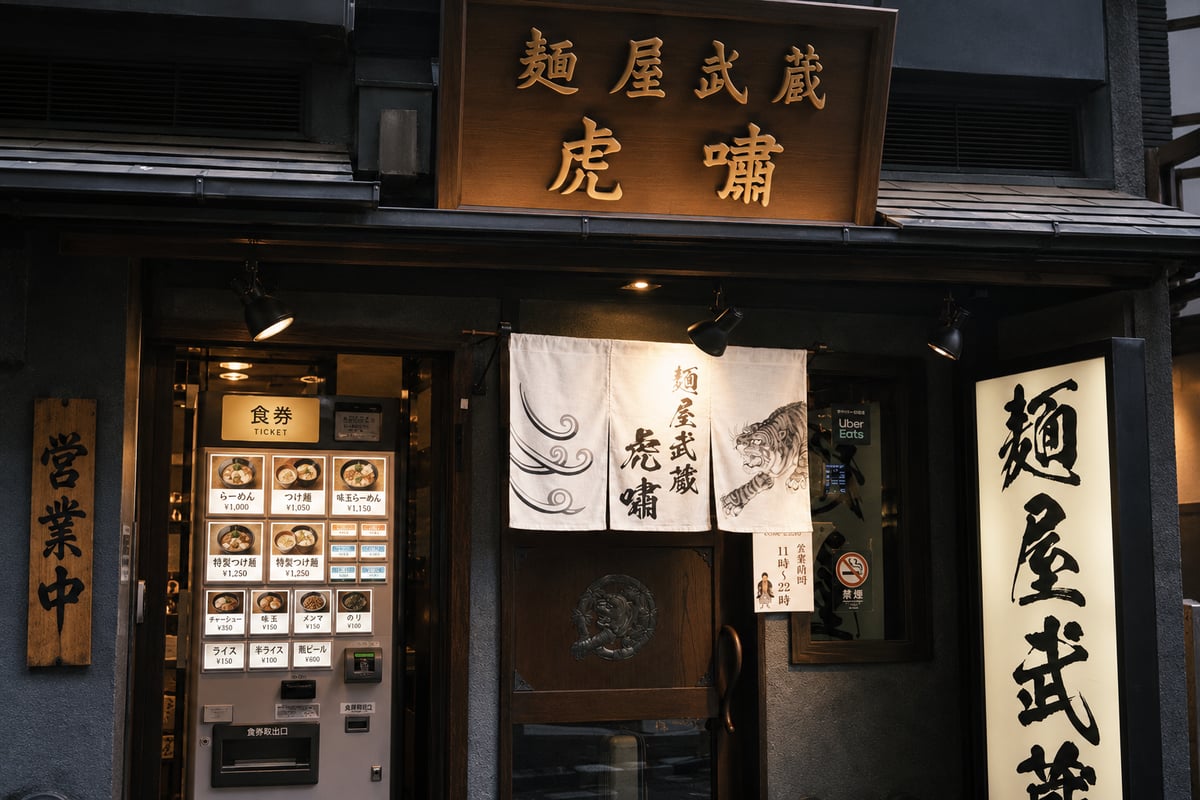
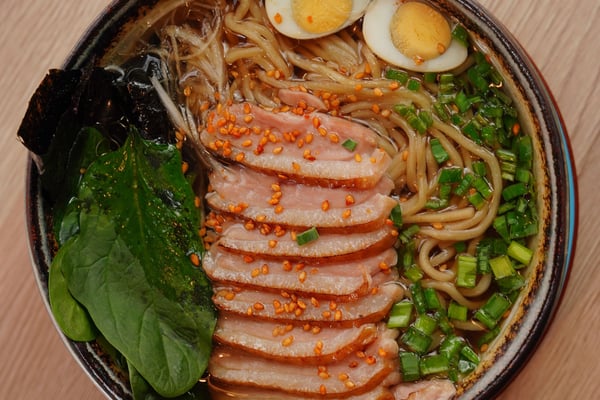
Many ramen shops and casual eateries use a ticket vending machine near the entrance: insert cash (some now take IC cards or credit cards), press the button for your dish (often with photos or, increasingly, English), collect the printed ticket, and hand it to staff at the counter. No conversation required — it's the most foreigner-friendly system there is. If you're unsure which button, the top-left is often the shop's signature dish.
Photo and picture menus
Point at what you want on a photo menu — universally understood and completely acceptable. Many restaurants have English menus (just ask: "English menu?"), tablet ordering, or QR-code menus you scan at the table with your phone, sometimes with a language toggle.
Call-button service
Some restaurants — especially izakaya and family chains — have a call button on the table to summon staff when you're ready to order, rather than a server hovering. Press it when you've decided; otherwise, a polite "sumimasen" (excuse me) gets attention.
While you eat
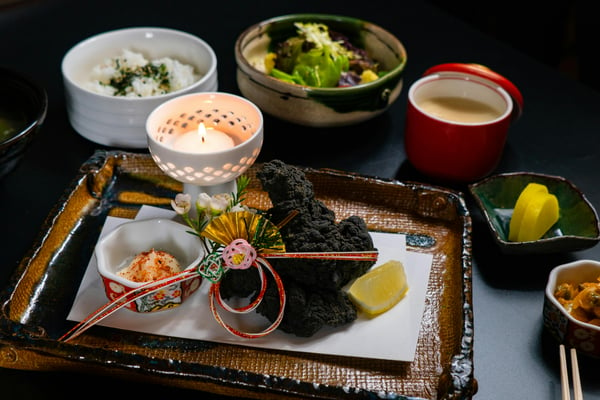
You'll usually receive a wet towel (oshibori), hot or cold, to clean your hands before eating — use it for hands, not your face.
Water or tea is often free and either self-serve or brought automatically.
At an izakaya you may be served a small dish (otoshi) you didn't order — it's a normal seating/cover charge, not a mistake or scam.
Slurping noodles is fine — even appreciated, as it cools the noodles and signals enjoyment.
It's okay to lift small bowls (rice, miso soup) toward your mouth.
Chopstick taboos: don't stick chopsticks upright in rice, and don't pass food chopstick-to-chopstick — both echo funeral rituals. Rest chopsticks on the holder or across your bowl.
Paying
You usually pay at the front counter, not at the table — bring your bill slip or ticket stub to the register on your way out.
Cash is always accepted; cards and IC cards increasingly so, but carry cash for small or traditional places.
There's typically a small tray by the register — place your cash or card on it rather than handing it directly to the cashier.
No tipping — the total on the bill is the total you pay. Leaving extra causes confusion.
Eating solo
Solo dining is completely normal and unremarkable in Japan, unlike in some Western countries where it can feel awkward — counter seating at ramen shops, sushi spots, and yakitori joints is specifically designed for it, and chains like Ichiran take it a step further with individual booth partitions so you never have to interact with anyone at all if you'd rather not. It's one of the more pleasant surprises for travelers used to feeling self-conscious eating alone; nobody here will bat an eye at a single diner, at any hour, at any type of restaurant.
A few useful phrases
Sumimasen — "excuse me," to get attention or call staff.
Kore o kudasai — "this one, please," while pointing.
Oishii — "delicious."
Itadakimasu — said before eating, a customary thanks for the meal.
Gochisousama (deshita) — said after eating, to thank for the food.
Okaikei onegaishimasu — "the bill, please."
Bottom line
Between ticket machines, photo menus and plastic models, and pay-at-the-counter simplicity, ordering in Japan rarely requires much language at all. Relax, point confidently, mind a couple of chopstick taboos, slurp your noodles with gusto, and skip the tip — you'll be dining like a local within a day or two, and the ease of it becomes one of the quiet pleasures of the trip.
FAQ
How do you pick a restaurant in Japan?
Look for restaurants with plastic food models (sampuru) or photo menus in the window — a wonderful Japanese institution that lets you see exactly what you'll get and point if needed. Many restaurants specialize in one thing — ramen, tonkatsu, sushi, tempura, unagi — which usually means they do it very well; specialization is a good…
How does getting seated work in Japan?
At many places you either seat yourself or wait briefly to be shown to a seat; at counter restaurants you often just sit down at an open spot. Staff will greet you with a cheerful "irasshaimase" (welcome) — no response is needed. If there's a language gap, simply hold up fingers to indicate your party size. At busy ramen or counter…
How do you order food in Japan?
Many ramen shops and casual eateries use a ticket vending machine near the entrance: insert cash (some now take IC cards or credit cards), press the button for your dish (often with photos or, increasingly, English), collect the printed ticket, and hand it to staff at the counter. No conversation required — it's the most…
Keep planning
Not sure how it all fits together?
Pick your trip length and we’ll route a real day-by-day plan.