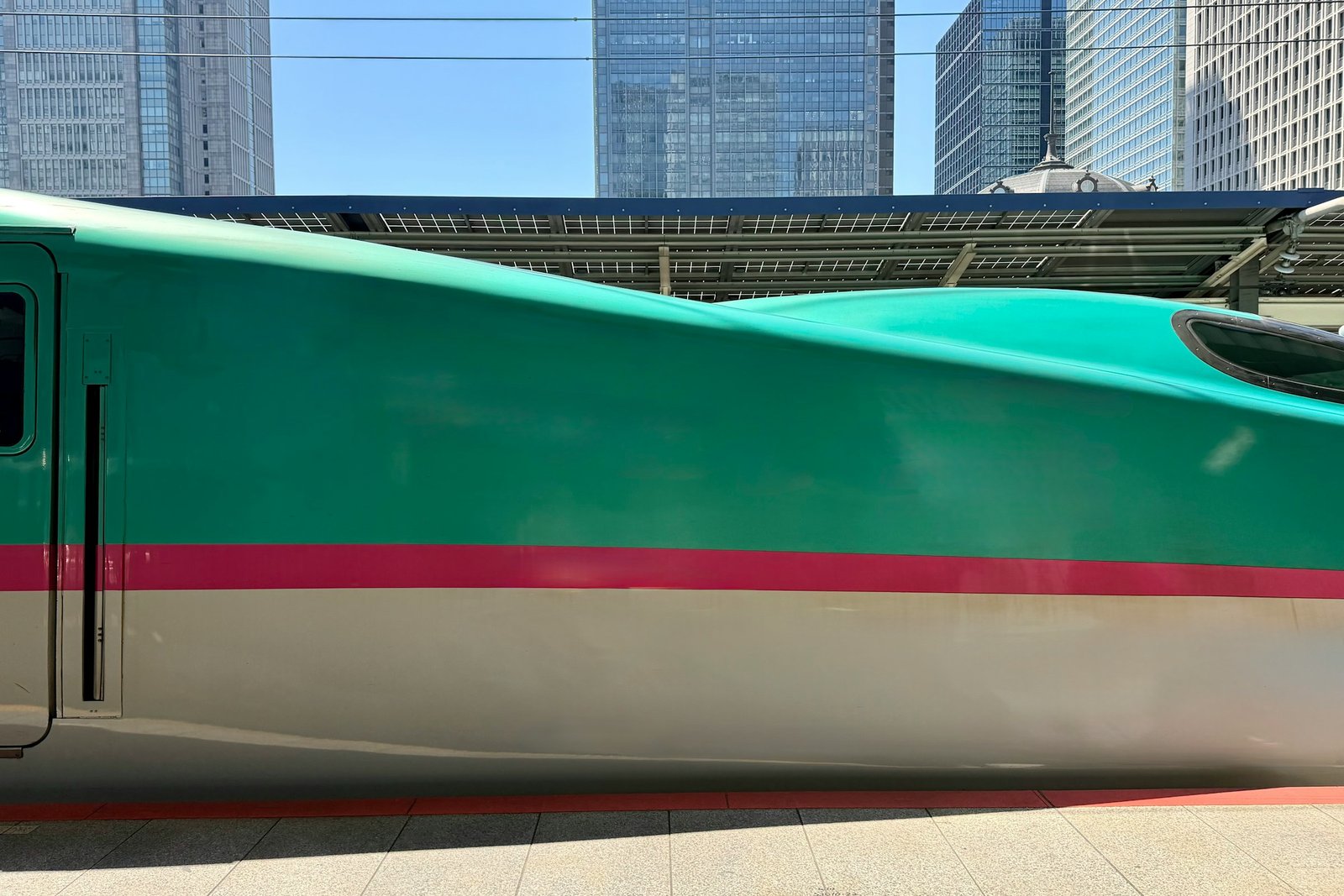
Every Japan Rail Pass comes in two tiers, and the more expensive one is presented as the comfortable choice without anyone explaining what it costs per journey. The upgrade is real and so is the premium. This guide covers what the Green Car tier costs, what you get for it, the arithmetic that decides it, and the specific travellers for whom it is worth paying.
What the upgrade actually costs
The seven-day Green Car pass costs ¥70,000 against ¥50,000 for the ordinary tier — a premium of ¥20,000 for the week. That is the whole decision in one line, and it is a larger gap than most travellers expect, because the two tiers are usually presented side by side as though the difference were marginal.
The premium across the longer passes
The gap widens with duration rather than staying proportional in absolute terms. The fourteen-day pass runs ¥110,000 in Green against ¥80,000 ordinary, a ¥30,000 premium, and the twenty-one-day version stretches it to ¥40,000. A longer trip does not make the upgrade proportionally cheaper — it makes the cash difference bigger.
Children aged six to eleven pay half on both tiers, so a family upgrading everybody multiplies the premium rather than absorbing it.
What the money buys
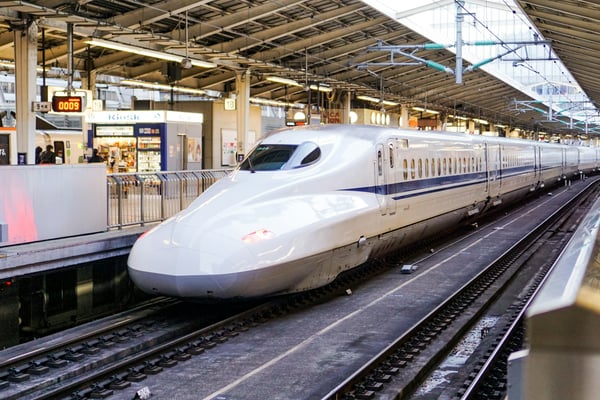
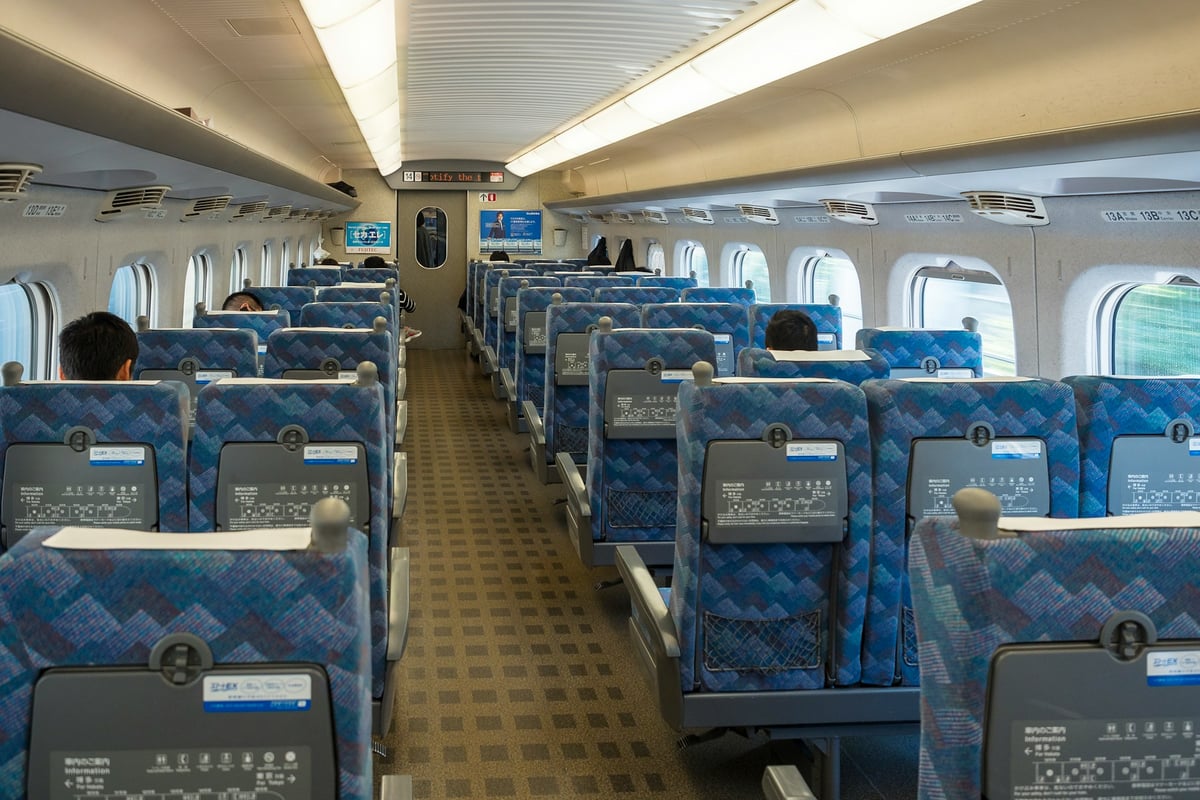
A Green Car seat is laid out two-and-two across the carriage instead of the ordinary car's two-and-three, which is the single most noticeable difference. Seats are wider, recline further, and carry a proper footrest. Carriages are quieter because they are rarely full, and an attendant works the car with a trolley rather than the ordinary car's occasional pass-through.
What it does not buy
The upgrade does not make you faster. Green Car carriages ride the same trains on the same timetable, and the fastest Nozomi and Mizuho services remain outside what the national pass covers at either tier — the upgrade does not unlock them. There is no lounge access, no included food, and no priority boarding. You are buying space and quiet, nothing else.
The arithmetic per journey
Divide the ¥20,000 premium by the number of long journeys your route actually contains, and the upgrade resolves into a per-leg price. A typical first trip makes two long journeys, which prices the upgrade at ¥10,000 per leg — more than most travellers would pay for a seat upgrade if it were presented that way at the counter. Four legs brings it to ¥5,000 each.
Comparing it to the journey itself
Set that against the fare for the journey. A reserved ordinary seat from Tokyo to Kyoto costs about about ¥13,850, so a ¥10,000 per-leg upgrade is close to paying a second time for the same trip. At ¥5,000 a leg the ratio starts to look like an ordinary premium-cabin decision rather than an extravagance.
The honest reading is that the upgrade gets cheaper the more you travel, which is the same condition that makes the pass itself pay. If your route is too short to justify the ordinary pass, it is much too short to justify the Green one.
Every Green seat is reserved
There is no non-reserved Green Car, which is a structural difference rather than a comfort one. Every seat in the carriage is booked, so the tier removes the possibility of standing or hunting for a free seat on a busy departure — the failure mode that makes ordinary-car travel unpleasant in the peak weeks. You still have to make the reservation; the pass covers it at no extra charge.
What that is worth in practice
On a quiet Tuesday it is worth nothing, because the ordinary reserved car is equally guaranteed and equally empty. On the heaviest travel days of the year it is worth a great deal, because Green Cars are the last carriages to fill and often the only ones with availability when a reservation is made late.
When the premium is easiest to justify
Three situations make the Green Car worth its ¥20,000. Long single legs — anything beyond the Tokyo to Kyoto distance, where you are seated for three hours or more — convert space into genuine rest. Travelling in the busiest weeks, when ordinary reserved seats book out and the non-reserved cars fill, buys availability rather than comfort. And travelling with large luggage is simply easier in a carriage with room.
A worked comparison
Take two routes. A first trip flying into Tokyo, crossing to Kyoto and flying home makes two long legs, so the premium prices at ¥10,000 each and the ordinary car is plainly the right answer. A two-week route that adds Hiroshima, returns north through the mountains and uses fast trains for several longer excursions might make six, which brings the premium to a little over ¥3,300 a journey — roughly a quarter of the fare, and a defensible upgrade on legs you are seated for hours.
The traveller it suits
Height is the underrated factor. The ordinary car is comfortable for most people and tight for anyone over about six feet, particularly on a three-hour leg with a case underfoot. If that describes you, the upgrade stops being a luxury and becomes the difference between arriving rested and arriving stiff.
Age and mobility matter for the same reason. A wider seat that reclines properly, in a quiet carriage with an attendant who comes to you, is worth more to some travellers than to others, and that is a personal calculation rather than an arithmetic one.
Who should not take it
Most first trips should stay in the ordinary car. The classic route makes two long journeys, prices the upgrade at ¥10,000 each, and spends that money on a seat that is already perfectly comfortable for the distance involved. Japanese ordinary-car standards are high — clean, quiet, reliably punctual, with more legroom than an American domestic flight in economy.
The upgrade is a genuine improvement on an already good product, which is exactly the kind of purchase that is easy to talk yourself into and hard to feel afterwards. Buy it because your route is long or your frame is tall, not because the tier exists.
The channel detail that changes the price
From 1 October 2026 the overseas-agency price for the seven-day Green pass rises to ¥74,000, while buying online through the official reservation site is unaffected. The ordinary tier moves the same way, to ¥53,000 through an agency.
That reverses a piece of standing advice. Going through an agent used to be the convenient route and is now simply the more expensive one, and the gap applies to whichever tier you choose.
Making the call
Price the upgrade per leg before you price it per week, because ¥20,000 sounds like a fee and ¥10,000 a journey sounds like what it is. Count your long journeys, divide, and decide against that number rather than against the headline.
Which tier to buy sits downstream of how much long-distance travel your route contains in the first place, and working that out in the right order is what the complete Japan trip guide is built to do.