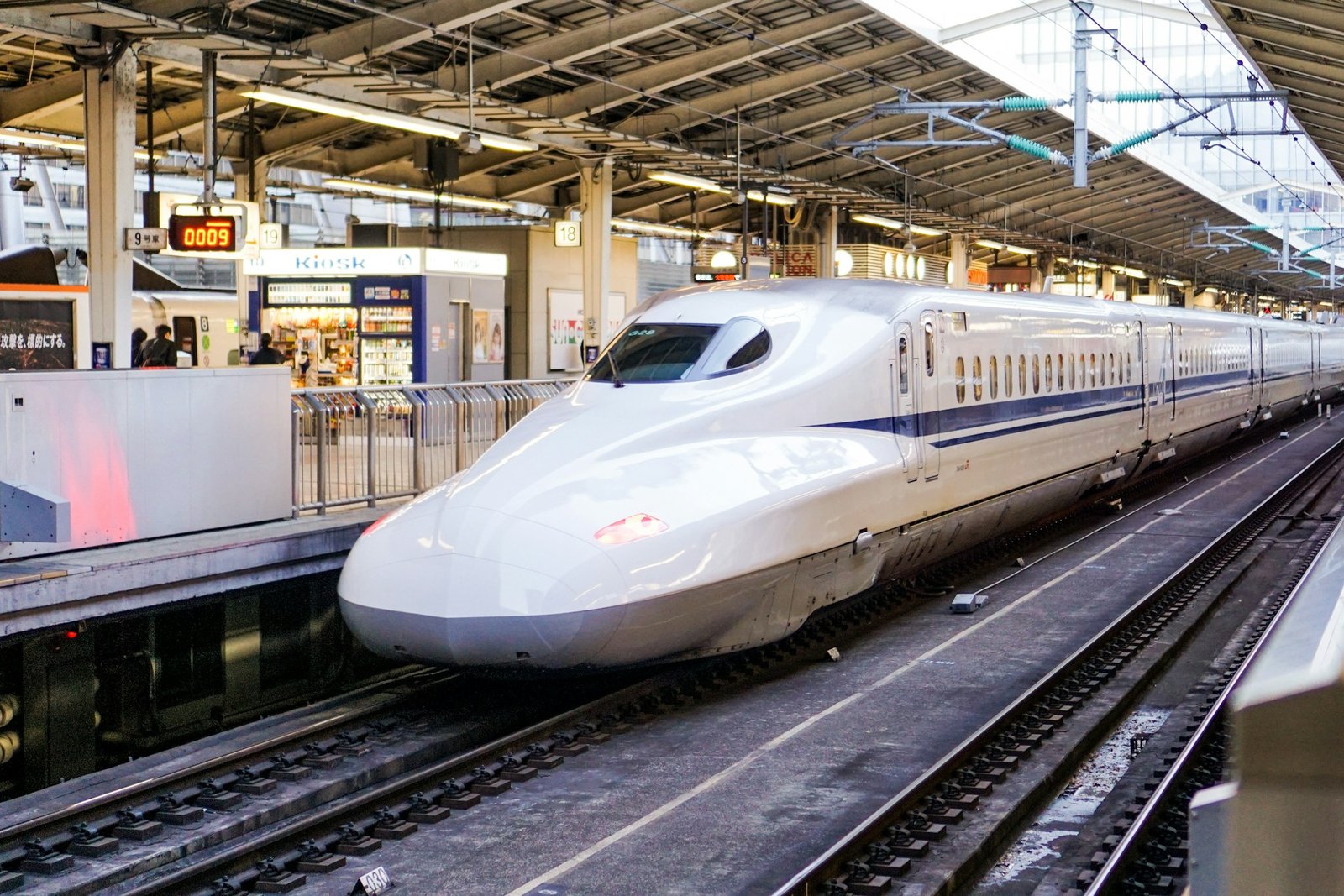
The Japan Rail Pass used to be the automatic first purchase of any Japan trip. Since the price rise it no longer is, and a great deal of advice online has not caught up. This guide covers what the national pass costs now, the arithmetic that decides whether it pays, how the regional passes compare, and a channel change arriving on 1 October 2026 that reverses some standing advice.
What the national pass costs
The national Japan Rail Pass costs ¥50,000 for seven days in the ordinary car, with fourteen- and twenty-one-day versions and a Green car tier above it. Children aged six to eleven pay half. That seven-day figure is the one every calculation below turns on.
Why the advice online is stale
In October 2023 the seven-day ordinary pass rose from about ¥29,650 to its current price — an increase of roughly sixty-five to seventy per cent in a single step. A great deal of the English-language guidance that recommends buying the pass reflexively was written before that, and has never been revised. The pass did not merely get more expensive; it stopped being the default answer.
The arithmetic that actually decides it
A reserved seat from Tokyo to Kyoto on a Hikari service — the fastest train the national pass covers — costs about ¥13,850 one way. Divide the pass price by that and the pass needs roughly four long journeys of similar distance before it pays for itself, which is about two round trips inside the seven-day window.
What that means for a normal first trip
The classic first trip flies into Tokyo, spends several days there, takes the bullet train to Kyoto, spends several more, and flies home. That is two long journeys, not four. On its own it does not come close to justifying the national pass, and buying one out of habit is a straightforward loss.
The picture changes if you add distance. A trip that also reaches Hiroshima, or that returns north from the Kansai region, or that uses the fast trains for several day trips, starts to accumulate the legs the pass needs. The honest test is to count your actual long journeys before you buy, not after.
Two details sit on the credit side of the ledger. The pass also covers local JR lines in the cities and the airport express from Narita, which is real value it is easy to forget. And it covers unlimited travel, so a spontaneous extra journey costs nothing once you hold one.
The fastest trains are not included
Nozomi and Mizuho services, the quickest on the Tokaido and Sanyo lines, are not covered by the national pass. Pass holders may ride them by buying a separate supplement, reported at around ¥4,960 for Tokyo to Kyoto. The Hikari, Sakura and Kodama services on the same tracks are fully covered and take roughly twenty minutes longer.
For most itineraries that twenty minutes is not worth paying for, but it matters if you are timing a connection or travelling at the end of a long day.
The regional passes
Regional passes cover one area of Japan rather than the whole country and cost a fraction of the national pass's price, which makes them the better fit for most first trips. The four that matter on a Tokyo–Kyoto–Osaka route are the JR East Tokyo Wide Pass for three days around Tokyo, the JR West Kansai Area Pass for one to four days around Osaka and Kyoto, the Kansai-Hiroshima Area Pass for five days if you are going west, and the JR Central Takayama-Hokuriku pass for the mountain route.
Reading them properly
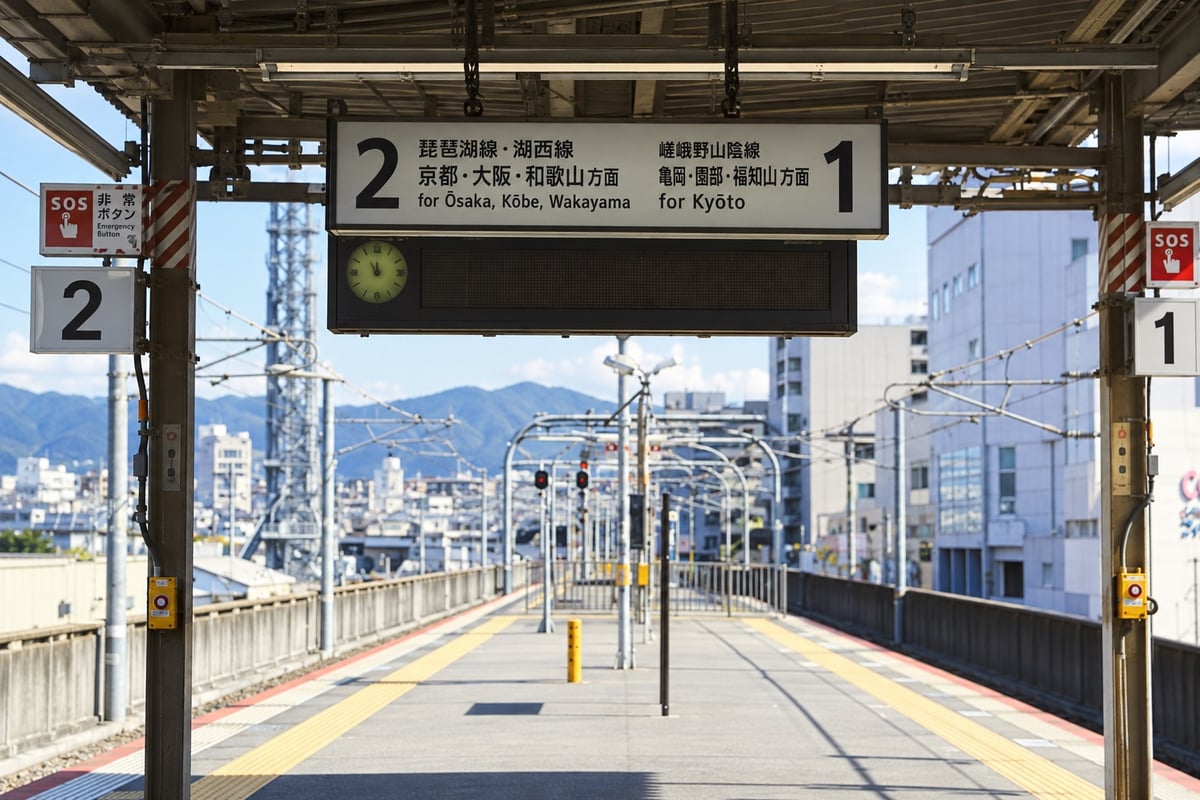
The trap in the regional passes is coverage rather than price. The Kansai Area Pass, for example, covers local and rapid services but not the bullet train, which surprises people who assume any pass includes it. Check what each one excludes before buying — that is where the disappointment lives, not in the cost.
Regional passes also stack in a way the national pass does not. A three-day pass around Tokyo and a separate one around Kansai can cost far less than a week of national coverage while matching what you actually do.
Where you can buy, and a date to watch
The national pass is bought online through the official reservation site or as an Exchange Order from a designated travel agency abroad. In-person purchase at stations inside Japan ended on 1 October 2023 — you can still exchange a voucher at a station, which is not the same thing and is the distinction that strands people who plan to buy on arrival.
The 1 October 2026 change
From 1 October 2026 the overseas-agency price rises to ¥53,000 for the seven-day ordinary pass, with the longer durations and the Green tier rising in proportion. Buying online through the official site is not affected.
That inverts a piece of advice that has been repeated for years. Going through an agent used to be the convenient and sometimes cheaper route; from that date it is simply the more expensive one.
What the pass decision is really attached to
Notice what the arithmetic above actually depended on. Whether the pass pays is not a fact about the pass — it is a fact about how many long journeys your route contains, which depends on how many places you base yourself in, which depends on how long you have and what time of year you are coming. The pass question cannot be answered before the route question, and it is almost always asked first.
That is why so many first trips buy the wrong thing: the purchase gets made early, from habit, and the route that would have justified it is designed afterwards. Working out the route and the passes as one problem rather than two is what the complete Japan trip guide is built to do.