Getting around Kyoto works quite differently from Tokyo, and knowing that going in saves real confusion on day one. There's no single train loop tying everything together — instead the city relies on an extensive bus network, a compact subway, several rail lines, and a good deal of walking. It sounds fiddly at first glance, but with a few basics it's genuinely very manageable within the first half-day, and your IC card ties most of it together.
The lay of the land
Kyoto's sights are spread out: the eastern hills (Higashiyama, Gion, Kiyomizu-dera) on one side, Arashiyama out west, Fushimi Inari to the south, and Kinkaku-ji to the northwest, with Kyoto Station anchoring the south. Because they're scattered rather than along one convenient line, the smartest move is to group sights by area and tackle one zone per day, rather than crisscrossing the city repeatedly. That single habit saves you more time and frustration than any transit tip in this whole guide. Where you sleep shapes that habit too, so compare the best Kyoto neighborhoods for first-timers, from Gion to the station area, before you book.
The spread that makes buses necessary: Kiyomizu-dera · Kinkaku-ji · Arashiyama · Fushimi Inari. (Enable JavaScript for the interactive map.)
Buses — the workhorse
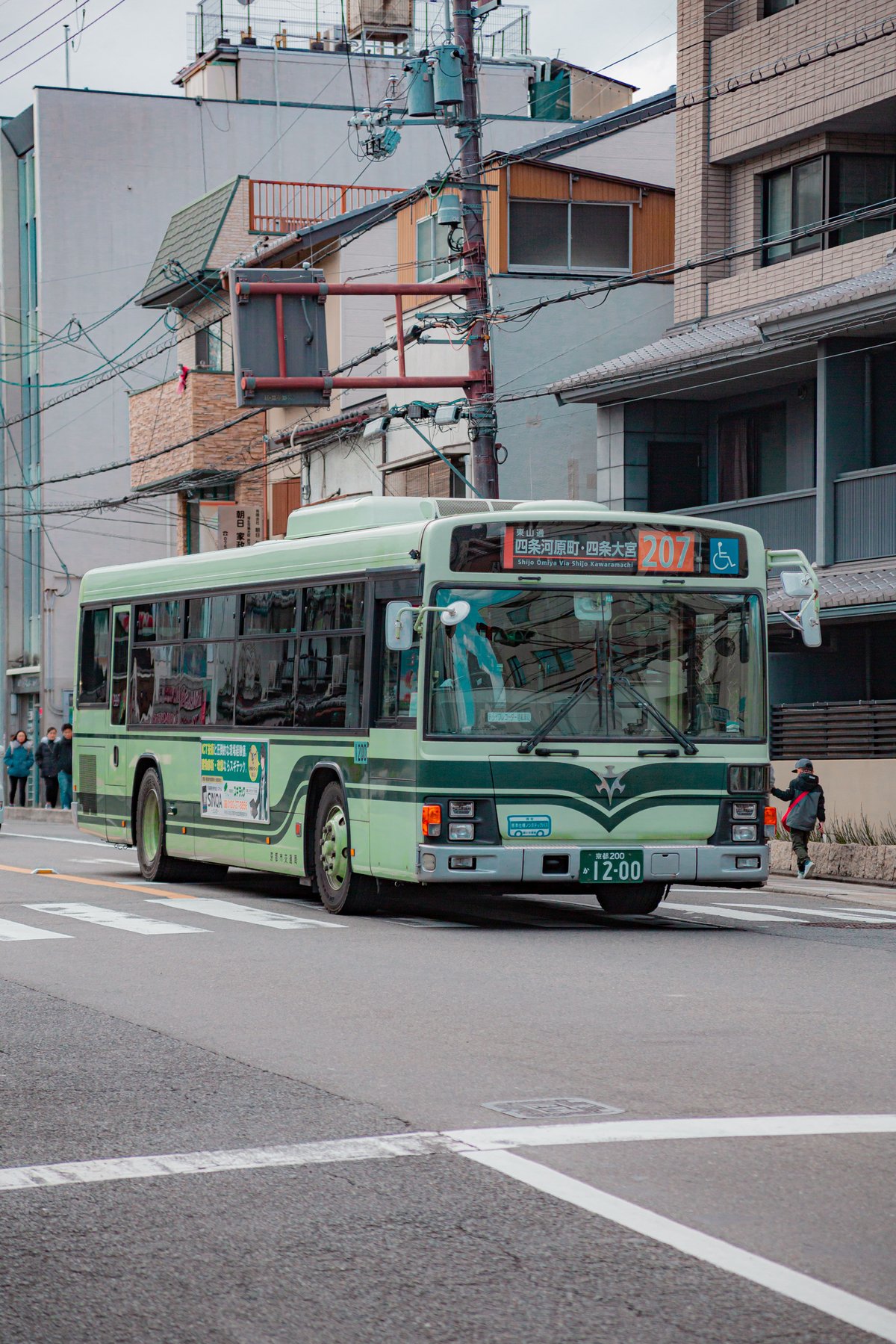
City buses are the primary way to reach many of Kyoto's temples and shrines, covering plenty of spots the trains don't. They're reliable, frequent, and genuinely comprehensive, with major routes signed and announced in English, including a voice announcement of the next stop that gives you plenty of warning to get ready. The main catch is that they can get crowded and slow during peak tourist times and traffic, so allow buffer time around the most popular sights. Your IC card (Suica, Pasmo, ICOCA) works on the buses — tap on and off — which makes them simple to use without fumbling for coins. On many city buses you board, ride, and tap when you get off.
Subway and trains
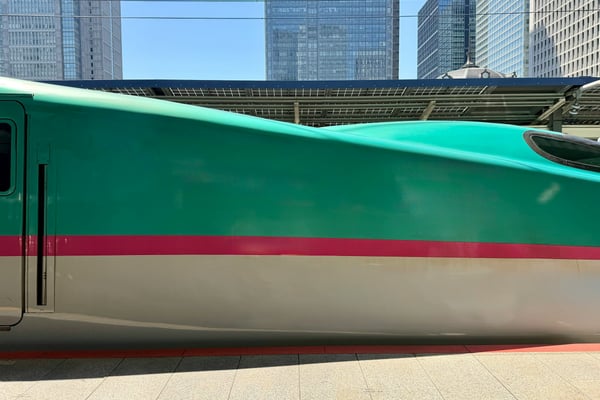
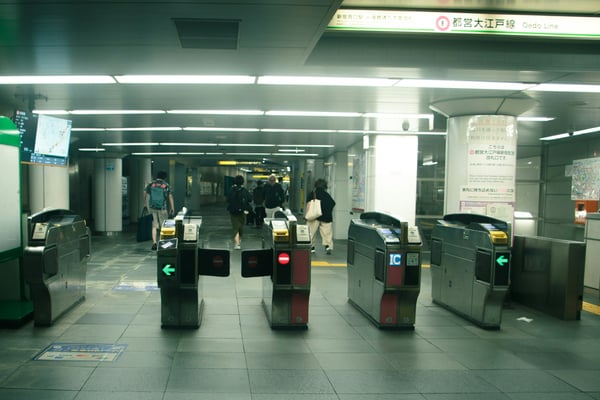
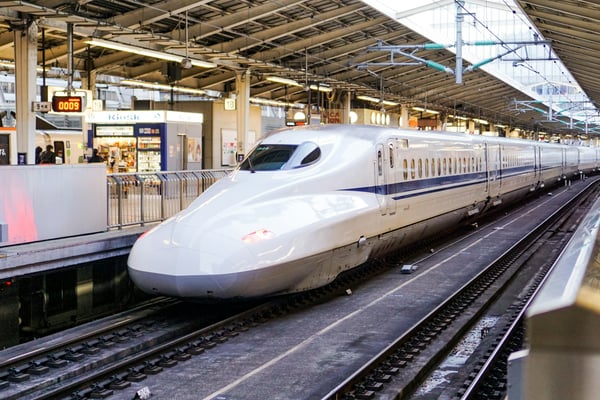
Kyoto has a small but useful subway (two lines — one north-south, one east-west) that's fast and beats traffic where it goes. Several private and JR rail lines also connect key spots — for example, the JR line reaches Arashiyama (Saga-Arashiyama) and Fushimi Inari (Inari), and the Keihan and Hankyu lines are handy along the river and to Osaka. For crossing the city quickly when your destination happens to sit on a line, the subway and trains reliably beat the bus, and the same IC card covers all of it without a second thought.
Walking
Central Kyoto — and especially the Higashiyama and Gion areas — is genuinely wonderful on foot, and a large part of the city's charm only reveals itself at walking pace, in the small side streets a bus or train would skip entirely. Plan to walk a lot within each zone; comfortable shoes are essential, as you'll cover ground on slopes and stone paths. The best approach is usually to take a bus or train to an area, then explore it thoroughly on foot before moving on.
Taxis and IC cards
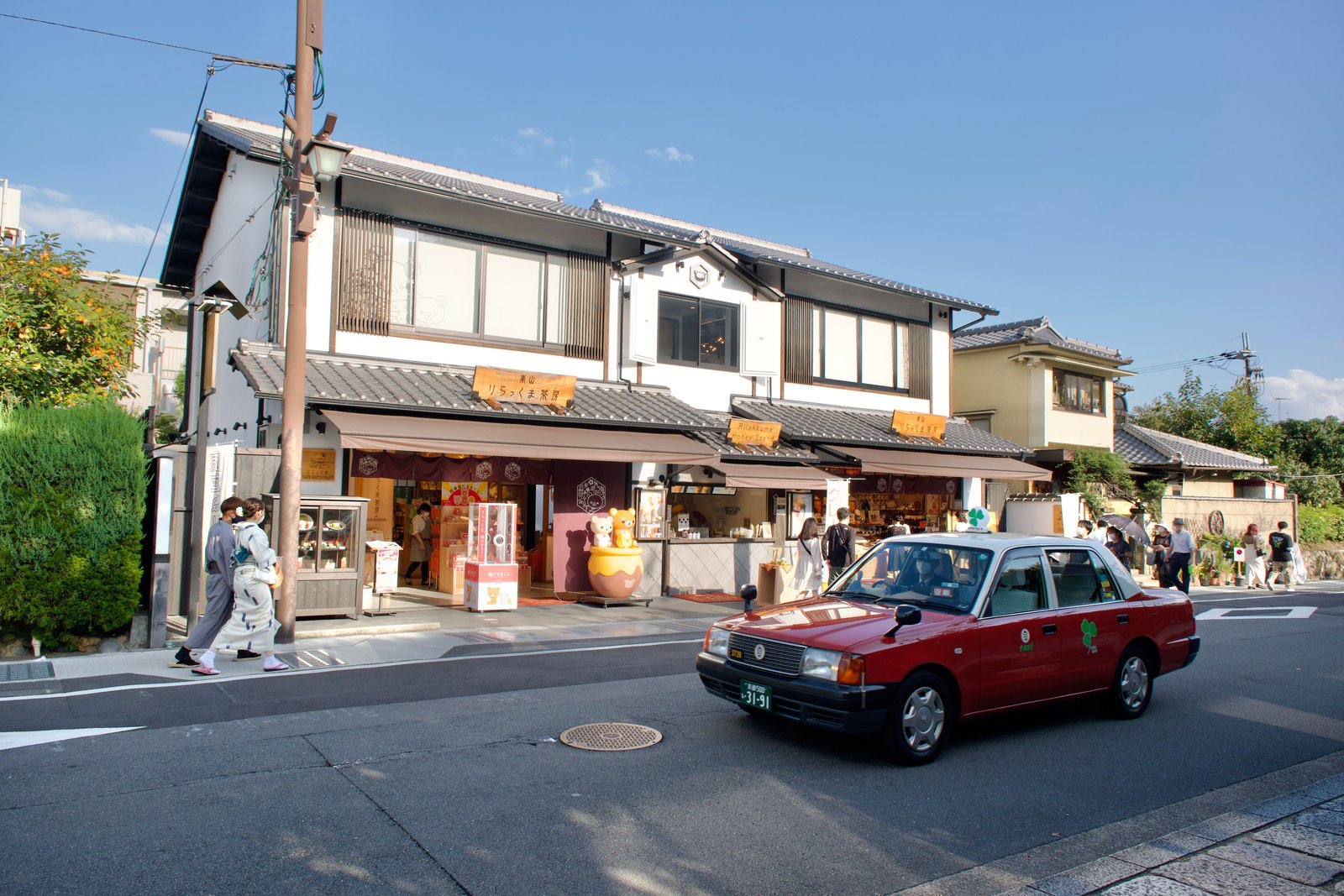
Taxis are clean, safe, and genuinely plentiful — useful for short hops, late nights, reaching a hillside temple after a long day, or when buses are visibly jammed — but they're notably more expensive than in many US cities relative to the distance covered, so most travelers use them sparingly rather than as a default. The one essential thing to sort on arrival is your IC card: load it with cash at any station machine and it handles buses, subway, and trains seamlessly, plus shops and vending machines. It's the key to stress-free Kyoto transit, and getting it set up on arrival — rather than fumbling with it mid-journey on a packed bus — is a small thing that makes every day that follows noticeably smoother, part of the broader route planning that Japan, Worked Out covers.
Do you need a transit pass?
Kyoto offers various day passes for buses and/or subways that can genuinely save money if you're making many separate trips in a single day. Whether one pays off depends on how much you'll move around — for a temple-packed day hopping between several bus rides it often does, while a lighter day may be cheaper on pay-as-you-go with your IC card. Weigh it against your plan for the day, and note that pass options and coverage change, so check current offerings. Either way, group your sights, get an IC card, and Kyoto opens up easily.
Bottom line
Kyoto runs on buses, a compact subway, rail lines to the edges, and your own two feet — all tied together by an IC card. Group your sights by area to minimize transit, take a bus or train to each zone and explore on foot, use taxis sparingly, and consider a day pass on temple-heavy days. Master that rhythm on day one, and the rest of the trip is free for focusing on the temples, gardens, and old streets that actually make Kyoto special.
FAQ
How are Kyoto's sights laid out?
Kyoto's sights are spread out: the eastern hills (Higashiyama, Gion, Kiyomizu-dera) on one side, Arashiyama out west, Fushimi Inari to the south, and Kinkaku-ji to the northwest, with Kyoto Station anchoring the south. Because they're scattered rather than along one convenient line, the smartest move is to group sights by area and…
Are buses the best way to get around Kyoto?
City buses are the primary way to reach many of Kyoto's temples and shrines, covering plenty of spots the trains don't. They're reliable, frequent, and genuinely comprehensive, with major routes signed and announced in English, including a voice announcement of the next stop that gives you plenty of warning to get ready. The main…
Does Kyoto have a subway?
Kyoto has a small but useful subway (two lines — one north-south, one east-west) that's fast and beats traffic where it goes. Several private and JR rail lines also connect key spots — for example, the JR line reaches Arashiyama (Saga-Arashiyama) and Fushimi Inari (Inari), and the Keihan and Hankyu lines are handy along the river and…