Affiliate disclosure: this guide contains affiliate links. If you book through them we may earn a commission, at no extra cost to you.
Osaka makes a great base for exploring the Kansai region and its legendary food scene, and it's superbly connected to Kyoto, Nara, Kobe, and the airport. Where you stay comes down to whether you want to be in the buzzing, neon-lit south, the polished and convenient north, or somewhere quieter and better value — and the city's compact, efficient transport network makes all of them genuinely workable choices. Here's the overview.
Namba and Minami (the south)
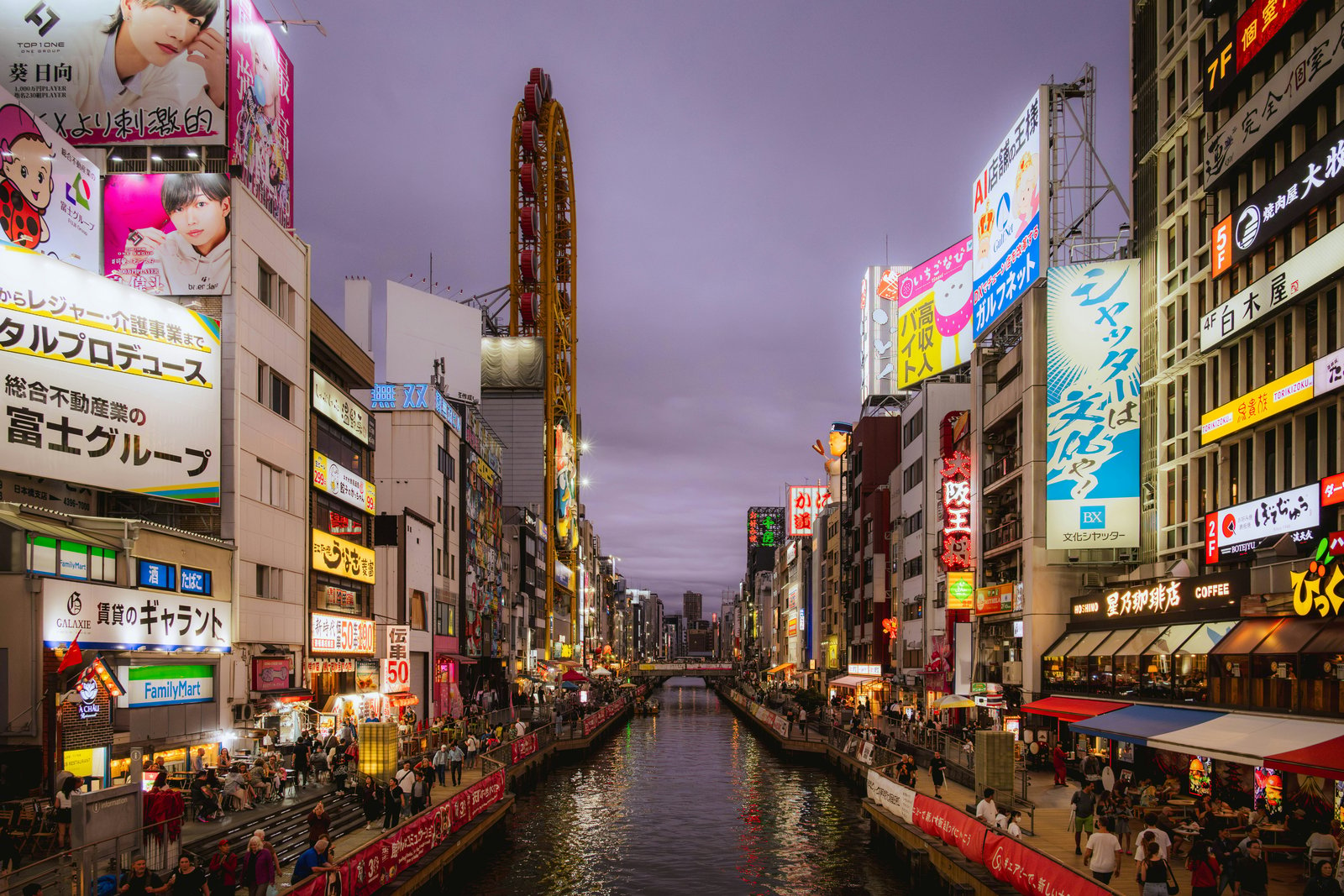
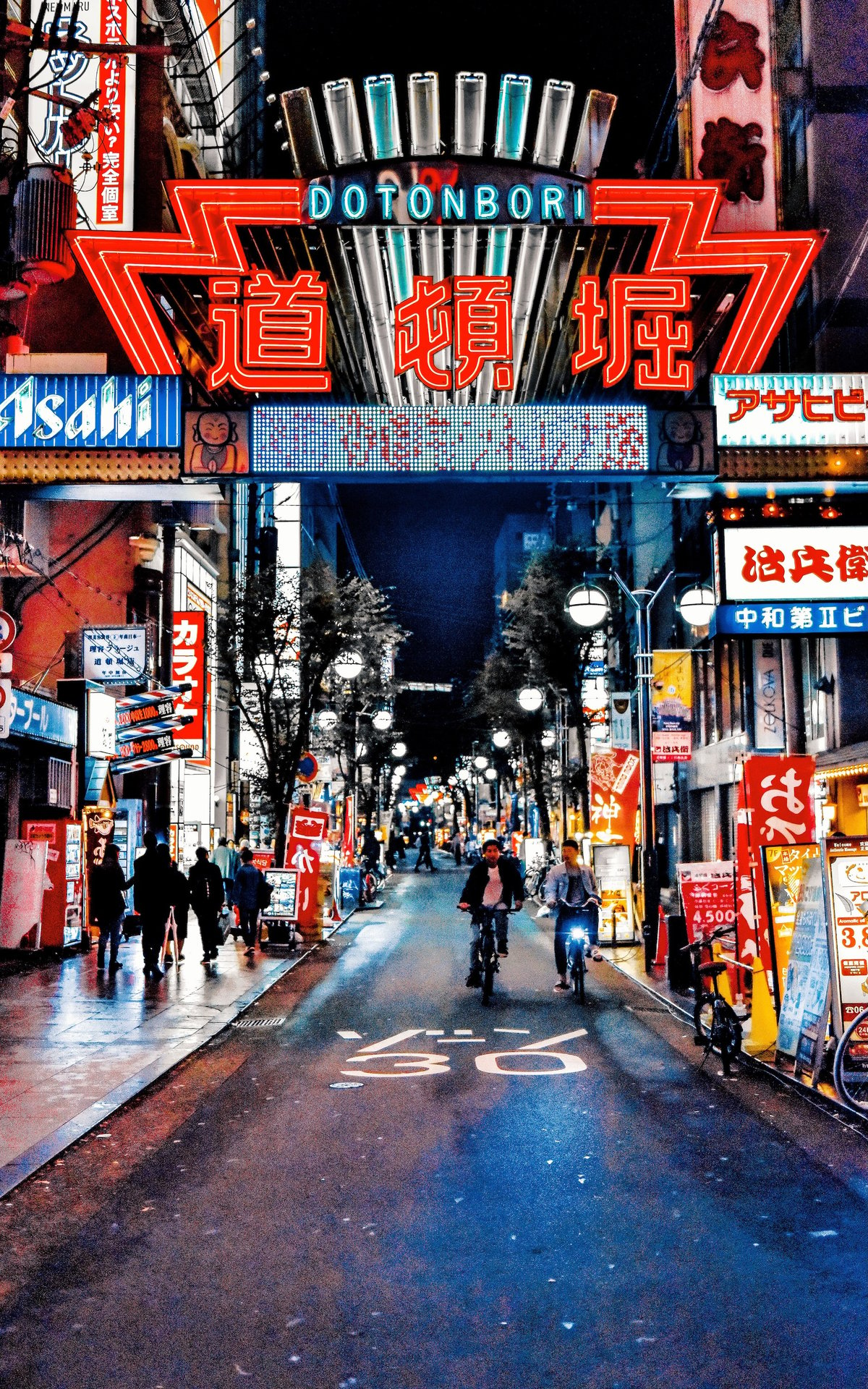
Namba and the surrounding Minami ("south") area are the heart of Osaka's famous nightlife and food scene, including the neon-lit Dotonbori district with its canal, giant illuminated signs (the running Glico Man is the most photographed of them), and endless street food. Staying here puts you in the thick of the energy Osaka is known for — takoyaki and okonomiyaki stalls, shopping arcades (like Shinsaibashi), bars, and buzz — with excellent transport links including a direct line to the airport via the Nankai line. It's the top choice for first-timers who want to experience Osaka's lively side and eat their way through the city without a single train ride separating them from dinner. The trade-off is the noise and crowds, which run late into the night and are part of the appeal but not for everyone — light sleepers should look at rooms set back from the main canal-front strip.
South versus north: Dotonbori · Osaka. (Enable JavaScript for the interactive map.)
Umeda and Kita (the north)
Umeda, in the Kita ("north") area, is Osaka's polished business and shopping hub, centered on a massive transport interchange (Osaka/Umeda Station, one of the busiest and most labyrinthine stations in the country) with connections everywhere — including direct trains to Kyoto, Kobe, and the airport. It's more upscale and noticeably calmer than Namba at night, with department stores, restaurants, sky-high observation decks like the Umeda Sky Building, and easy onward travel for day trips. A strong pick if you value transport convenience, a more refined and quieter base to return to after a day of sightseeing, or you'll be making lots of day trips around Kansai and want to minimize transfer time each morning.
Near Osaka Castle and other areas
Areas around Osaka Castle, the Osaka Bay waterfront, and other neighborhoods offer quieter, sometimes better-value stays while remaining well connected by the city's JR Osaka Loop Line — a smaller cousin of Tokyo's Yamanote, with 19 stations over a roughly 40-minute full circuit — plus the subway network. Shin-Osaka, the Shinkansen station, is convenient if you're arriving or leaving by bullet train and want to minimize transfers, though it's a bit removed from the action. These suit travelers who want a calmer or cheaper base and don't mind a short ride to the nightlife and sights.
Which to choose
Want Osaka's signature food-and-nightlife energy? Namba/Minami — you'll be steps from Dotonbori.
Prioritize transport, shopping, and a refined feel? Umeda/Kita.
Want value or quiet, happy to ride in? Around the castle, the bay, or near a loop-line station.
Arriving/leaving by Shinkansen? Consider Shin-Osaka for convenience.
Both main areas connect easily to Kyoto — the JR Special Rapid from Osaka Station takes under 30 minutes to Kyoto Station, while the Hankyu line runs direct from Umeda to central Kyoto in around 45 minutes — so Osaka can even serve as your Kansai base, day-tripping to Kyoto, Nara, Kobe, and Himeji rather than changing hotels. Only from Shin-Osaka does the Shinkansen shrink that Kyoto run to around 15 minutes, though it's rarely worth the higher fare for a trip that short.
Osaka as a Kyoto alternative base
Some travelers deliberately base in Osaka rather than Kyoto for their whole Kansai stay, reasoning that Kyoto's atmosphere is available on a day trip anyway while Osaka offers better food, better hotel value for the same money, and a livelier evening scene to come home to. It's a genuinely reasonable strategy, especially for food-focused travelers, though it does mean commuting into Kyoto and back most days rather than stepping out your door into the old city — a tradeoff worth weighing against how much you value waking up amid Kyoto's temples versus Osaka's energy.
Booking tips
Osaka is a popular and busy city, so book ahead in peak seasons — cherry blossom, Golden Week, and autumn foliage all drive both prices and occupancy up sharply — and prioritize a location near a subway or loop-line station for easy movement. As with the rest of Japan, rooms can be compact and proximity to transit beats most amenities, including a bigger room or a fancier lobby you'll rarely use. Compare options and prices for your dates early to secure a well-placed spot in your preferred area — and if food is your focus, the few extra minutes of nightlife noise in Minami may be a price worth paying to roll out of bed into Dotonbori.
Namba and the surrounding Minami ("south") area are the heart of Osaka's famous nightlife and food scene, including the neon-lit Dotonbori district with its canal, giant illuminated signs (the running Glico Man is the most photographed of them), and endless street food. Staying here puts you in the thick of the energy Osaka is known…
What is Umeda like as a base?
Umeda, in the Kita ("north") area, is Osaka's polished business and shopping hub, centered on a massive transport interchange (Osaka/Umeda Station, one of the busiest and most labyrinthine stations in the country) with connections everywhere — including direct trains to Kyoto, Kobe, and the airport. It's more upscale and noticeably…
Is it worth staying near Osaka Castle?
Areas around Osaka Castle, the Osaka Bay waterfront, and other neighborhoods offer quieter, sometimes better-value stays while remaining well connected by the city's JR Osaka Loop Line — a smaller cousin of Tokyo's Yamanote, with 19 stations over a roughly 40-minute full circuit — plus the subway network. Shin-Osaka, the Shinkansen…
Keep planning
Not sure how it all fits together?
Pick your trip length and we’ll route a real day-by-day plan.