Asakusa is where Tokyo holds onto its past — a district of temples, traditional shops, and old-town atmosphere on the city's northeast side. It's the best place to feel historic Tokyo, and a favorite base for travelers who prefer charm and value over glitz. Here's what to do.
Senso-ji
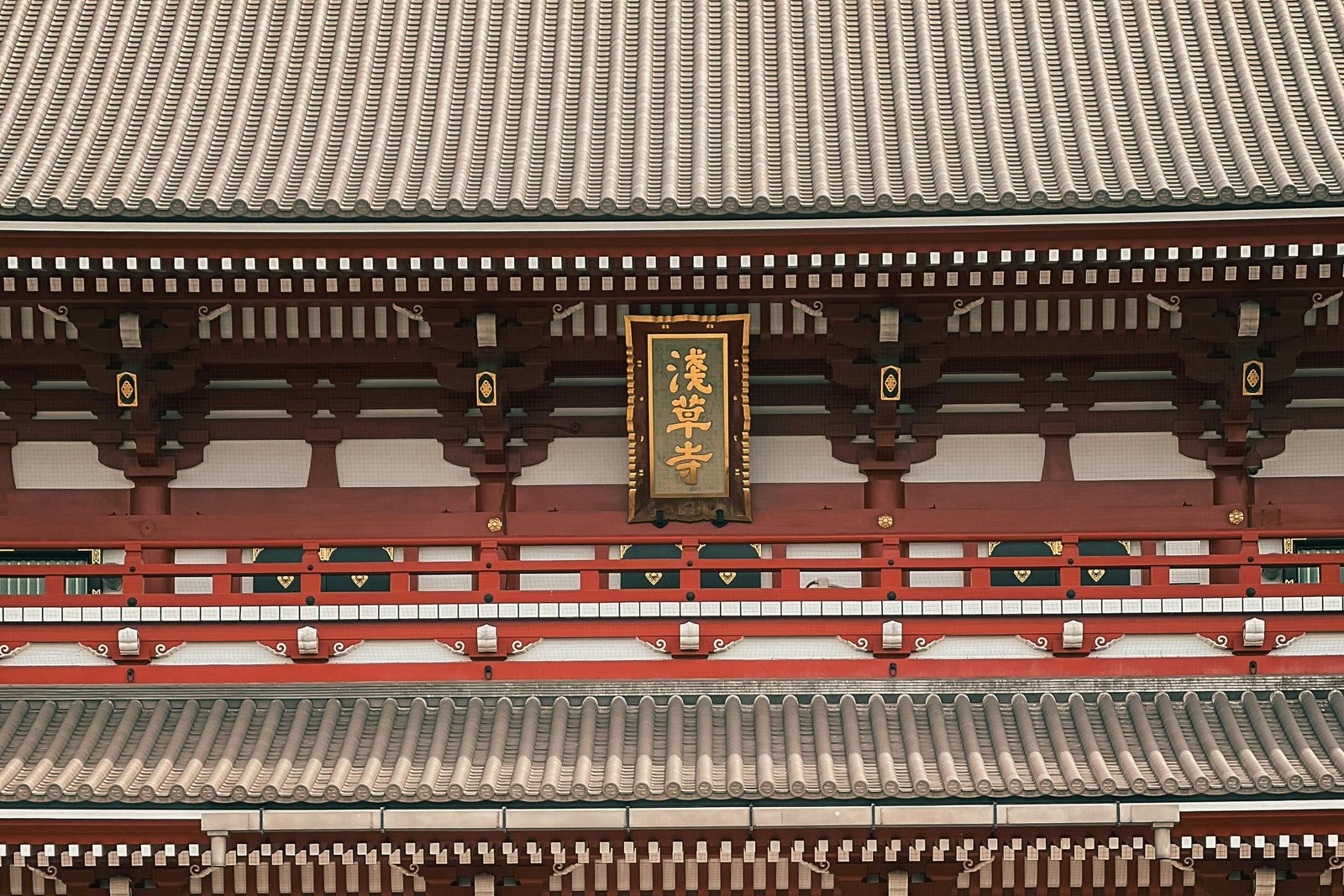
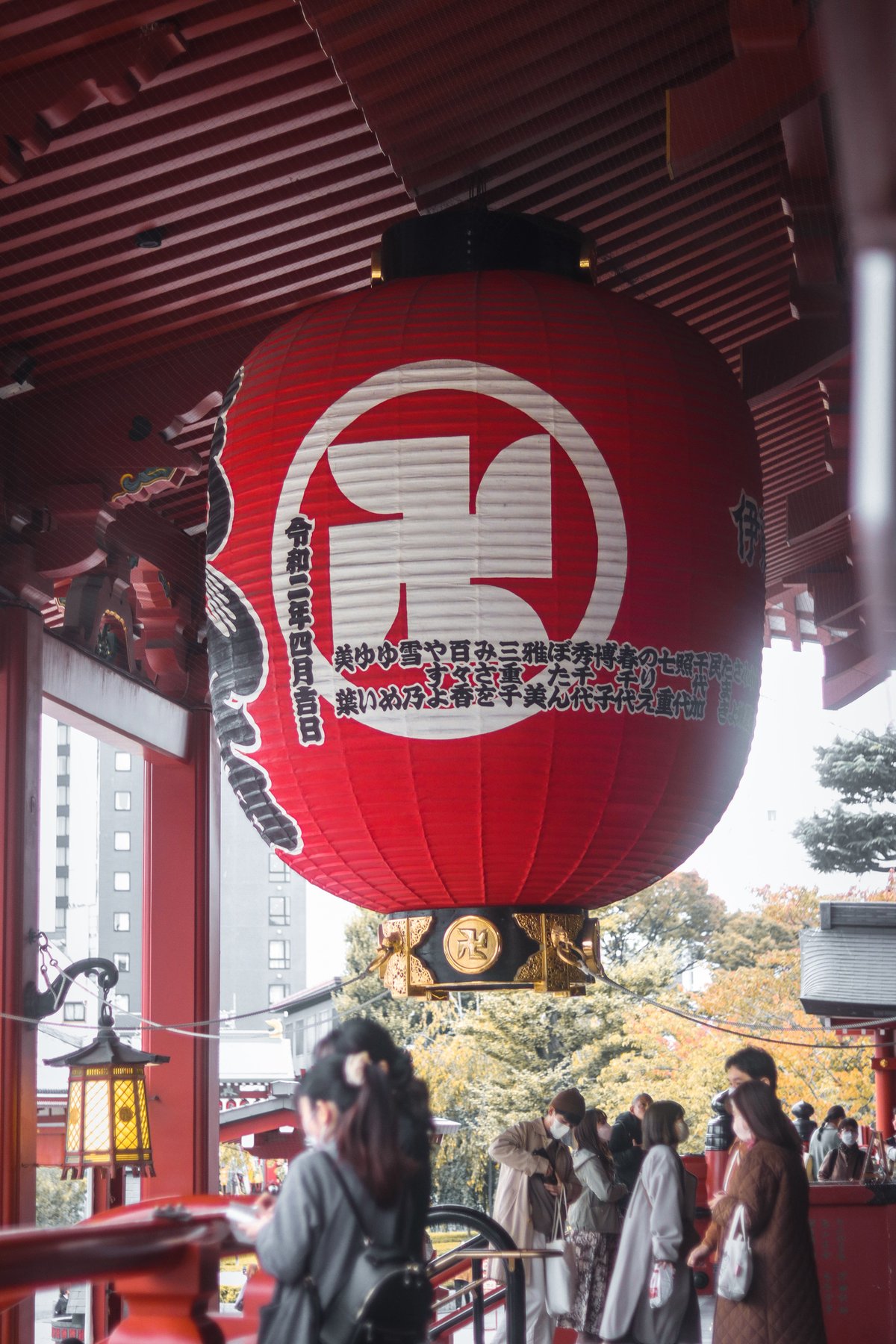
The centerpiece is Senso-ji, Tokyo's oldest temple, founded in the year 645 according to temple tradition and rebuilt after WWII bombing destroyed the original structure. You enter through the iconic Kaminarimon ("Thunder Gate") with its giant red lantern, then walk the Nakamise shopping street — nearly 90 stalls lined up over roughly 250 meters, selling traditional snacks and souvenirs — up to the grand temple hall and its five-story pagoda. Go early in the morning, ideally before 8am, to experience it before the tour groups arrive; the temple grounds themselves never close, so an early or after-dark visit shows a genuinely different, much quieter side of the same place.
Asakusa, and the tower across the river: Senso-ji · Tokyo Skytree. (Enable JavaScript for the interactive map.)
Around the temple
Nakamise Street: great for street snacks — try ningyo-yaki (small cakes shaped like temple landmarks) or freshly cooked senbei rice crackers — and traditional souvenirs like folding fans and yukata.
Backstreets: wander beyond the main drag, particularly Denboin-dori, for craft shops, old-style eateries, and a noticeably quieter feel than the crowded temple approach.
Sumida River: nearby for riverside walks and boat cruises — a water bus runs from Asakusa down to Odaiba, a scenic and relaxed way to see a different stretch of Tokyo.
Rickshaw rides: a fun, if touristy and pricier, way to tour the old streets with a guide who narrates as you go.
Kimono rental: popular here for strolling the traditional setting in style — same-day rental-and-return shops cluster around the temple approach, no reservation always required though booking ahead guarantees your size and style.
Tokyo Skytree nearby
Just across the river from Asakusa rises Tokyo Skytree, at 634 meters one of the world's tallest towers, with two observation decks, extensive shopping at its base (Tokyo Solamachi), and an aquarium. It's an easy add-on to an Asakusa visit and offers sweeping views, especially near sunset when the city lights start coming on. On the way, look for the Asahi Beer Hall's gold "Flamme d'Or" sculpture across the river — an odd, unmissable piece of Tokyo architecture locals have nicknamed after its resemblance to a certain bodily object, and a fun photo stop either way.
Why stay here
Asakusa is a popular base for first-timers who want traditional atmosphere and often better value than the western hubs — it's genuinely worth comparing hotel prices here against Shinjuku or Shibuya for the same trip dates. (This article contains affiliate links — if you book through them we earn a small commission at no extra cost to you.) The trade-off is that it sits on the eastern side, so reaching Shibuya/Shinjuku takes a bit longer — typically 25-35 minutes by subway — but it's still an easy train ride, and waking up near Senso-ji, with the morning quiet before the crowds, has its own magic that the western hubs can't offer.
Practical tips
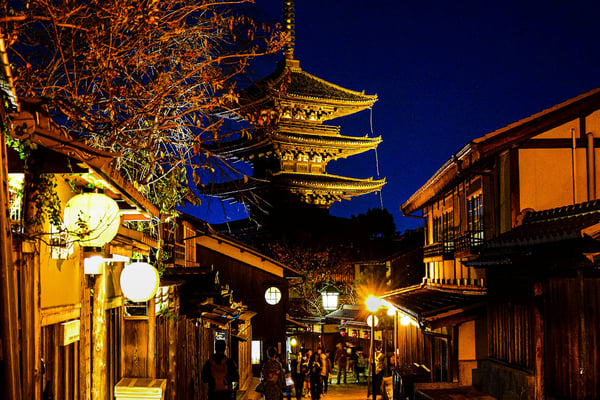
Visit Senso-ji early or in the evening (the lit-up temple at night is beautiful and uncrowded).
Combine Asakusa and Skytree into one easy half-day, crossing via the Azumabashi bridge.
The area is walkable and well connected by subway (Ginza and Asakusa lines) and the Tsukuba Express.
Carry cash for the small traditional shops along Nakamise and the backstreets — many don't take cards.
Where to eat
Beyond Nakamise's grab-and-go snacks, Asakusa has some of Tokyo's most respected old-school restaurants for tempura and unagi (grilled eel), several running for generations out of the same modest storefronts — a contrast to the flashier dining scenes in Shibuya or Ginza. The backstreets west of the temple (Hoppy Street, named for a beer substitute popular with an older postwar generation) are lined with casual, cash-only izakaya serving grilled skewers and cheap drinks — an atmospheric, unpretentious place for an evening that feels a world away from Shinjuku's neon version of a night out.
A neighborhood that survived
Much of what makes Asakusa feel different from the rest of Tokyo is simply that it's older: the area was the city's main entertainment and theater district for centuries before Shinjuku and Shibuya existed in any recognizable form, and while the 1923 earthquake and WWII bombing destroyed most of the original buildings (Senso-ji included), the street layout and small-shop character were rebuilt close to how they'd always been, rather than redeveloped into the high-rise districts that now define central Tokyo.
Bottom line
For old-Tokyo atmosphere — temples, traditional shops, and a slower pace — Asakusa is unmatched in the city. Pair it with the modern spectacle of Skytree next door, and you've got one of Tokyo's most rewarding and characterful areas.
FAQ
What is Senso-ji?
The centerpiece is Senso-ji, Tokyo's oldest temple, founded in the year 645 according to temple tradition and rebuilt after WWII bombing destroyed the original structure. You enter through the iconic Kaminarimon ("Thunder Gate") with its giant red lantern, then walk the Nakamise shopping street — nearly 90 stalls lined up over roughly…
Is Tokyo Skytree near Asakusa?
Just across the river from Asakusa rises Tokyo Skytree, at 634 meters one of the world's tallest towers, with two observation decks, extensive shopping at its base (Tokyo Solamachi), and an aquarium. It's an easy add-on to an Asakusa visit and offers sweeping views, especially near sunset when the city lights start coming on. On the…
Is Asakusa a good place to stay in Tokyo?
Asakusa is a popular base for first-timers who want traditional atmosphere and often better value than the western hubs — it's genuinely worth comparing hotel prices here against Shinjuku or Shibuya for the same trip dates. (This article contains affiliate links — if you book through them we earn a small commission at no extra cost to…
Keep planning
Not sure how it all fits together?
Pick your trip length and we’ll route a real day-by-day plan.