Himeji Castle is widely regarded as Japan's most spectacular castle — a brilliant white hilltop fortress nicknamed the "White Heron" for its elegant, soaring form. Crucially, unlike many Japanese castles that are 20th-century concrete reconstructions, Himeji is an original, surviving structure and a UNESCO World Heritage site. It makes a rewarding day trip from Kyoto or Osaka, and for anyone interested in history and architecture, it's a standout. Here's how to visit.
Why Himeji is special
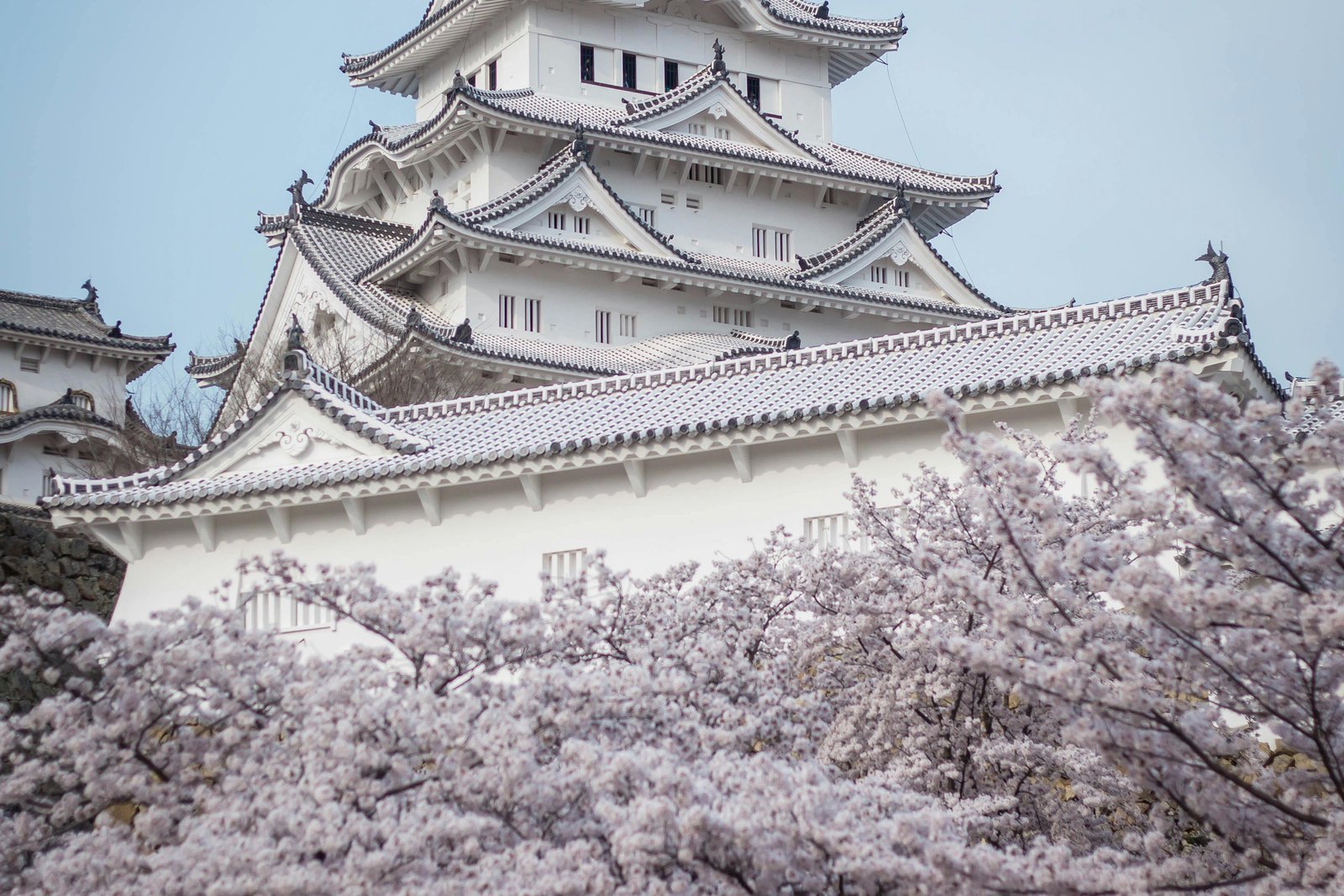
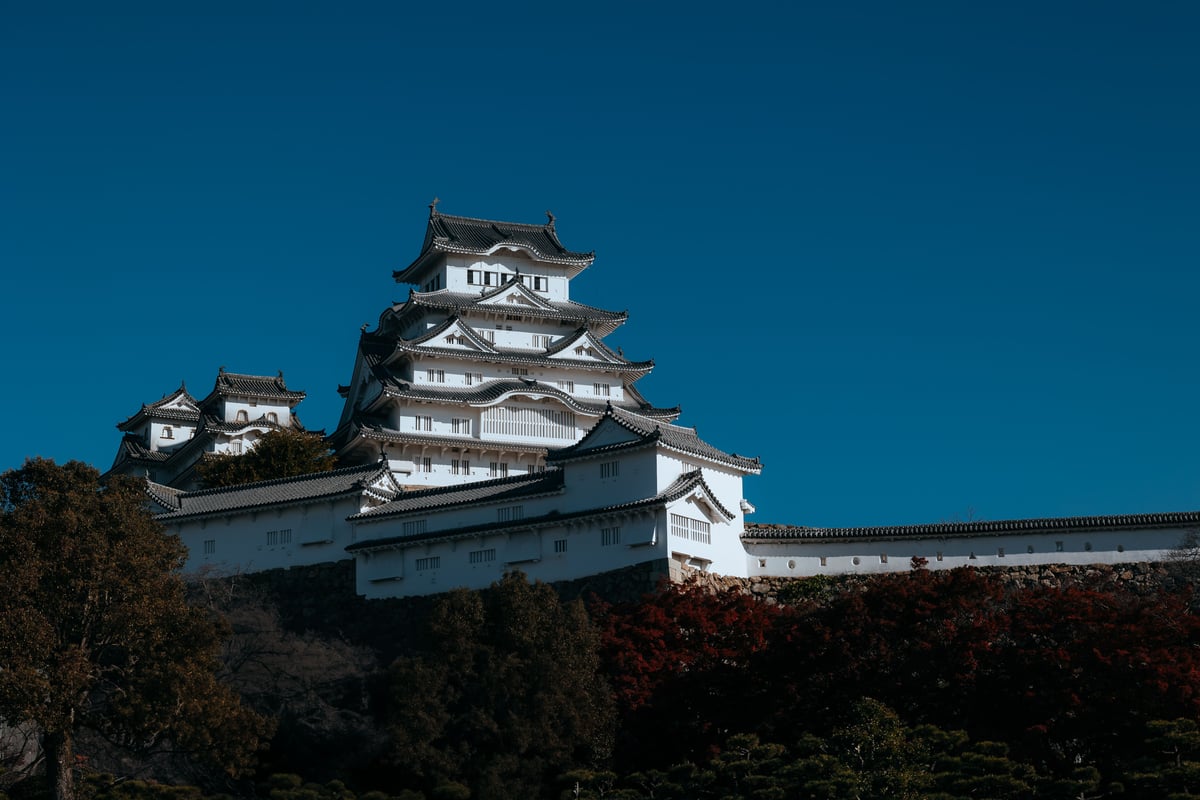
Most castles you'll encounter in Japan are postwar rebuilds in concrete, faithful on the outside but modern within. Himeji is the real thing — a genuinely old wooden castle, completed in its current form in the early 1600s, that survived wars, earthquakes, and centuries of time remarkably intact. Its gleaming white plaster walls, layered roofs, and graceful silhouette make it the finest surviving example of Japanese castle architecture. A major restoration completed in 2015 left the exterior dazzlingly white. For history and architecture lovers, it's reason enough for the trip.
Map: Kyoto, Himeji Castle.
What to see
The main keep: you climb up through its wooden interior floors — steep stairs, weapon racks, defensive features — to the top, which offers views over the city. The interior is bare wood, giving a real sense of the original structure.
The defensive layout: the maze-like approach paths, multiple gates, and angled walls were ingeniously designed to confuse and slow attackers; walking the winding route to the keep is part of the experience.
Koko-en Garden: a beautiful Edo-style Japanese garden adjacent to the castle, often combined with a discounted joint ticket — a serene complement to the fortress.
The grounds: spectacular in cherry blossom season, when the white castle is framed by clouds of pink.
Himeji City Museum of Art and the Hyogo Prefectural Museum of History: a short walk from the castle, both are worth a stop if you want more context on the castle's history without the crowds.
A bit of history
The castle in its current form dates to 1609, built by Ikeda Terumasa after he took control of the domain — though a fortification has stood on the hill since the 14th century, expanded and rebuilt by successive lords. It was never destroyed in battle, survived Allied bombing raids in WWII that flattened much of the surrounding city (a bomb reportedly hit the keep but failed to detonate), and escaped the demolition and "modernization" that claimed many other castles during Japan's rapid postwar development — which is exactly why it's one of the only genuinely original castle keeps left standing in the country.
How to get there
Himeji is farther than the closer Kansai day trips — about 45-55 minutes from Kyoto and 30-45 minutes from Shin-Osaka by Shinkansen — but the Shinkansen makes it very manageable, and the castle is a straightforward walk (about 15–20 minutes) straight down the main avenue from the station, visible ahead of you the whole way. A Japan Rail Pass or a regional Kansai pass can make the fares more economical if you hold one; otherwise buy a ticket. Note that the standard JR Pass doesn't cover the fastest Nozomi service without a supplement, but the covered Hikari and Sakura trains reach Himeji fine. Whether a farther-out trip like this earns a spot on your itinerary, versus staying closer to your base city, is a real trade-off worth thinking through in advance — Japan, Worked Out covers how to weigh it.
How long to spend
Himeji works as a half-day to full-day trip. The castle itself takes a couple of hours to explore properly — more if it's busy, since climbing the keep can involve queues and timed entry at peak periods — plus time for Koko-en Garden. With a full day, you can combine it with a stop in Kobe or Osaka on the way back. Himeji is one of several easy outings, and the best day trips from Kyoto weigh it against Nara's friendly deer and Osaka's food scene.
Practical tips
Arrive early, especially in cherry blossom season, as the keep can get crowded and entry is sometimes capped at busy times.
Wear socks and easy-off shoes — you remove your shoes to climb the wooden keep and carry them in a provided bag.
The interior stairs are steep and narrow; wear comfortable clothing and watch your head on low beams.
Combine your ticket with Koko-en Garden next door for the discounted rate.
Cherry blossom season is stunning but very busy — plan around it accordingly.
Bottom line
For Japan's grandest and most authentic castle, Himeji is well worth the Shinkansen ride. Its dazzling white form, fascinating defensive design, original construction, and UNESCO status make it a standout day trip from Kyoto or Osaka for anyone drawn to history and architecture — the finest castle experience in the country — and given how many "castles" across Japan are 20th-century concrete rebuilds, this may be the only chance on your trip to stand inside one that's genuinely centuries old.
FAQ
What makes Himeji Castle different from other Japanese castles?
Most castles you'll encounter in Japan are postwar rebuilds in concrete, faithful on the outside but modern within. Himeji is the real thing — a genuinely old wooden castle, completed in its current form in the early 1600s, that survived wars, earthquakes, and centuries of time remarkably intact. Its gleaming white plaster walls,…
How old is Himeji Castle?
The castle in its current form dates to 1609, built by Ikeda Terumasa after he took control of the domain — though a fortification has stood on the hill since the 14th century, expanded and rebuilt by successive lords. It was never destroyed in battle, survived Allied bombing raids in WWII that flattened much of the surrounding city…
How do you get to Himeji?
Himeji is farther than the closer Kansai day trips — about 45-55 minutes from Kyoto and 30-45 minutes from Shin-Osaka by Shinkansen — but the Shinkansen makes it very manageable, and the castle is a straightforward walk (about 15–20 minutes) straight down the main avenue from the station, visible ahead of you the whole way. A Japan…