Where to Eat in Kyoto: Best Areas and Local Specialties
Kyoto's refined cuisine ranges from kaiseki to street snacks. Here's where to eat, from Nishiki Market to Pontocho Alley, and the local specialties to try.
Kyoto's food culture is refined, seasonal, and deeply traditional, shaped by its long imperial history and Buddhist heritage. It rewards a more contemplative, unhurried approach to eating than fast-paced Tokyo or street-food-focused Osaka. From elegant multi-course meals to covered-market snacks and matcha sweets, here's where to eat in Kyoto and what local specialties make its cuisine special.
Nishiki Market
Nishiki Market — affectionately called "Kyoto's Kitchen" — is a roughly 400-meter covered arcade with around 400 years of history, home to over a hundred food stalls and specialty shops selling local ingredients, pickles (a Kyoto art form), sweets, seafood, tofu, and street snacks. It's a sensory delight and the perfect place to graze your way through Kyoto's flavors, sampling as you stroll. A must for food lovers — go hungry, and note that some stalls ask you not to eat while walking, so pause to enjoy your bites.
Pontocho Alley
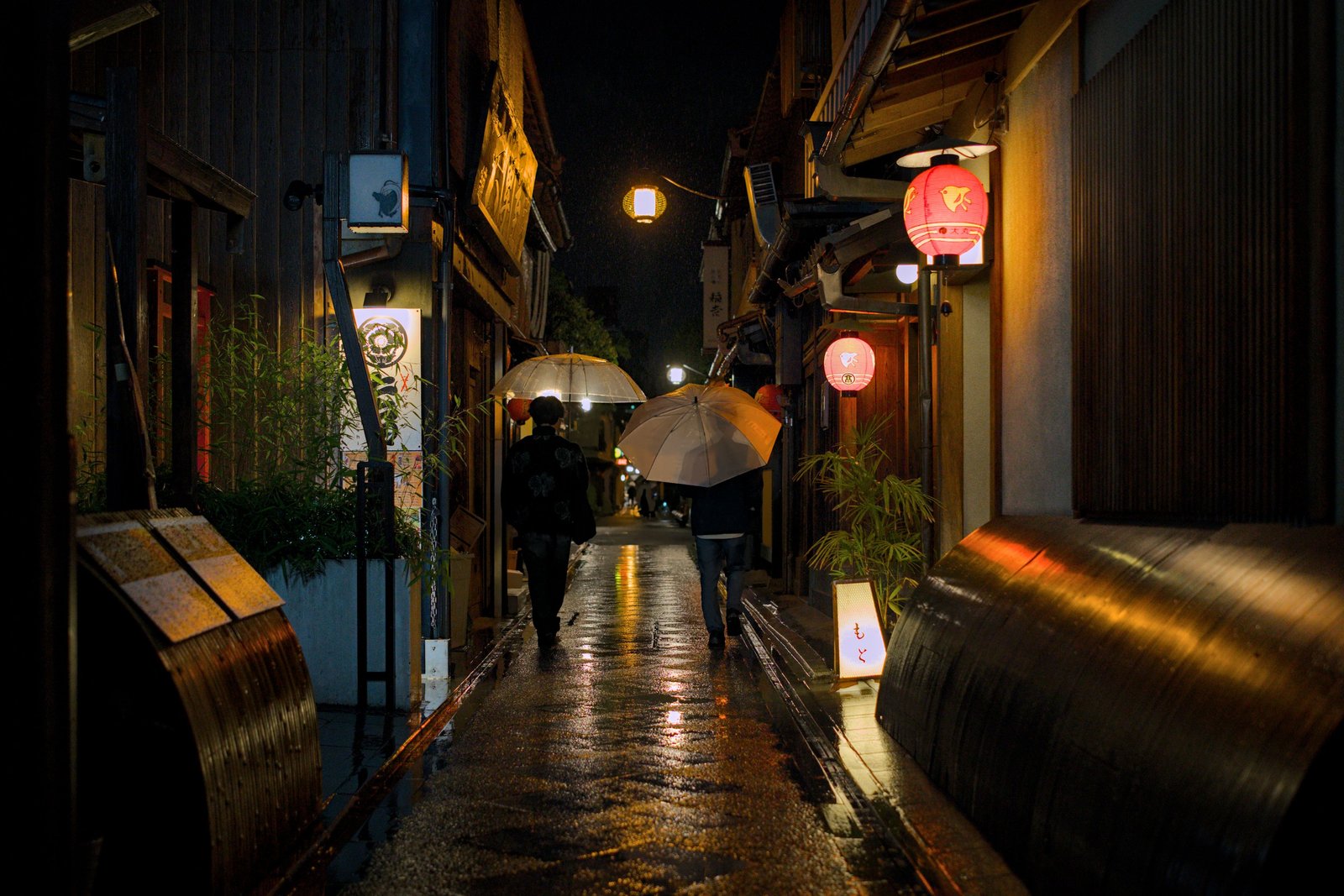
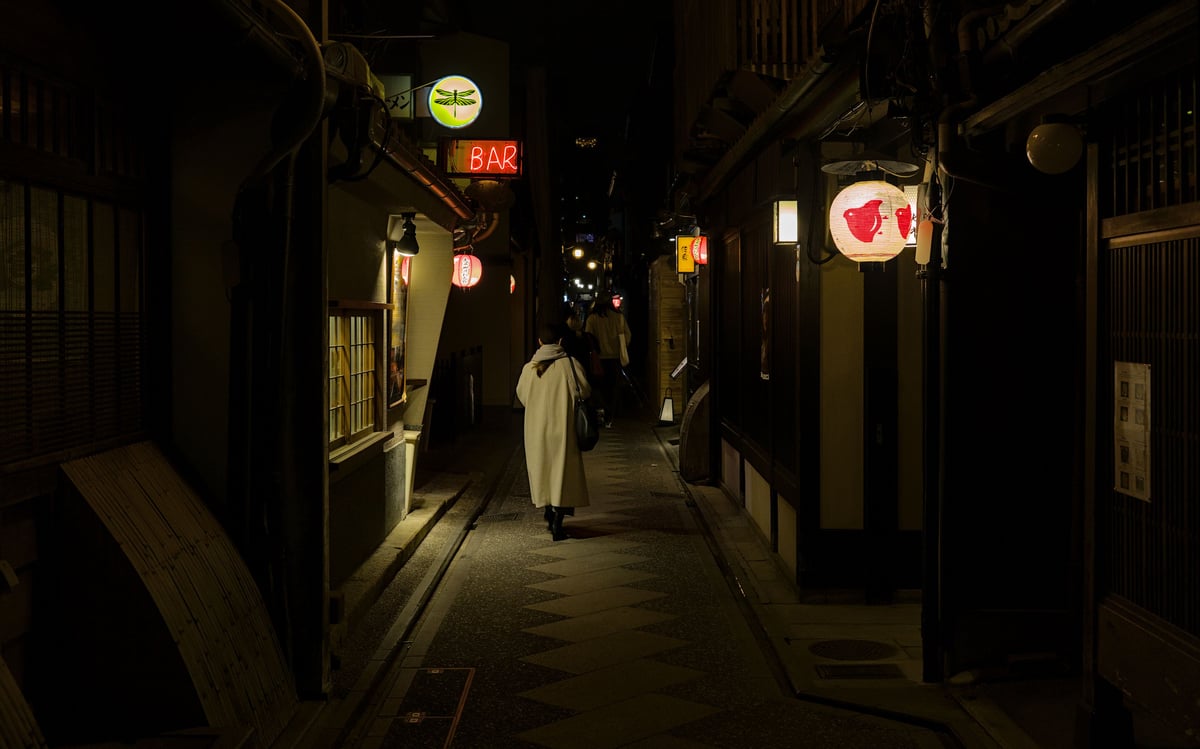
Pontocho is a narrow, lantern-lit lane running parallel to the river, packed with restaurants from affordable to high-end. Atmospheric and traditional, it's one of the most magical places to have dinner in Kyoto — especially in the warmer months (roughly May to September), when many restaurants set up kawayuka dining platforms out over the river for al fresco meals. It's the quintessential Kyoto dinner setting, and worth a slow after-dinner stroll even if you're eating elsewhere.
Kyoto's local specialties
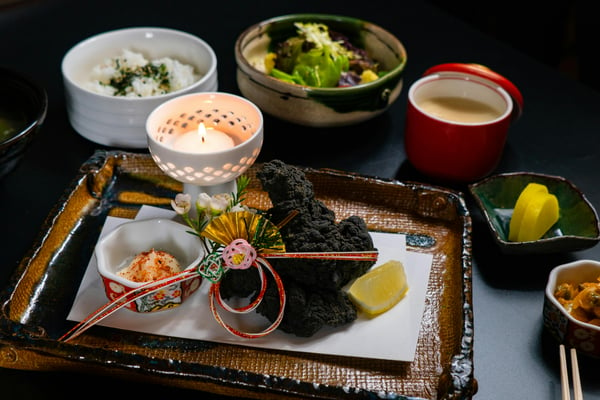
Kaiseki: Kyoto is the spiritual home of this elegant multi-course cuisine of seasonal, exquisitely presented dishes — the pinnacle of Japanese dining, and a special-occasion splurge often enjoyed at a ryokan or dedicated restaurant.
Yudofu: simmered tofu in a delicate broth, a Kyoto specialty tied to its Buddhist temple cuisine — simple, subtle, and often served at restaurants near temple areas like Nanzen-ji and Arashiyama.
Shojin ryori: Buddhist vegetarian temple cuisine, refined and traditionally plant-based — though if you're a strict vegan, it's worth confirming at the specific establishment, as some modern kitchens may use egg, dairy, or fish-derived seasonings.
Obanzai: traditional Kyoto home-style cooking — simple, seasonal local dishes, often served in a relaxed set.
Matcha everything: green-tea sweets, parfaits, ice cream, and drinks abound — Kyoto and nearby Uji are the heart of Japan's matcha country.
Best areas for dining
Downtown (Kawaramachi / Pontocho / Kiyamachi): the densest concentration of restaurants, from casual to refined, plus the riverside dining lanes.
Gion: traditional dining, teahouses, and high-end kaiseki in an atmospheric setting — beautiful but often pricier.
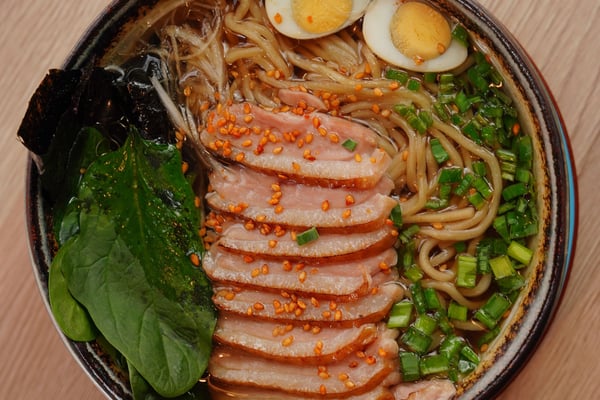
Near Kyoto Station: plenty of options, including a famous ramen street and a dining floor inside the vast station complex — convenient on arrival or departure, or a reliable fallback on a night when nothing else is planned.
Arashiyama: tofu specialists, scenic riverside spots, and matcha cafes.
Tips for eating in Kyoto
Kaiseki and top restaurants often need reservations — book ahead, especially in peak cherry-blossom and autumn seasons.
Lunch sets offer a far more affordable taste of high-end Kyoto cuisine than dinner.
Try a tea house or matcha cafe for the full Kyoto experience — even a simple matcha and wagashi break slows the day down in a way that matches the city's pace.
Some traditional restaurants have set seatings, fixed courses, and their own etiquette — read the booking details carefully so there are no surprises when you arrive.
Carry some cash for smaller places; no tipping, ever.
Why Kyoto's food developed differently
Kyoto's refined, seasonal style isn't a marketing angle — it grew directly out of the city's specific history. As the imperial capital for over a thousand years, Kyoto developed a court cuisine built around presentation and seasonal restraint; as a major center of Buddhist practice, it developed shojin ryori's plant-based discipline around temples that still operate today; and being landlocked, it leaned on preserved and fermented foods (its famous pickles chief among them) rather than the fresh seafood that shaped Osaka's food culture just an hour away. Those three forces — court, temple, and geography — are still what you're tasting in a Kyoto kaiseki meal today.
Food experiences
For a deeper dive into Kyoto's culinary traditions, consider a tea ceremony, a guided Nishiki Market food tour, a kaiseki dinner, or even a stay at a temple lodging with shojin ryori meals. These experiences are popular and worth booking in advance, especially in peak season, since the best ones are also the ones locals and repeat visitors already know to grab early.
Bottom line
Kyoto rewards a slower, more mindful approach to eating — graze Nishiki Market, dine along atmospheric Pontocho (over the river in summer), and try local specialties like yudofu, kaiseki, obanzai, and matcha sweets. It's a refined, seasonal food culture rooted in over a thousand years of court, temple, and local tradition, and it becomes a genuine highlight of any visit, perfectly matched to the city's contemplative character.
FAQ
What is Nishiki Market?
Nishiki Market — affectionately called "Kyoto's Kitchen" — is a roughly 400-meter covered arcade with around 400 years of history, home to over a hundred food stalls and specialty shops selling local ingredients, pickles (a Kyoto art form), sweets, seafood, tofu, and street snacks. It's a sensory delight and the perfect place to graze…
What is Pontocho Alley?
Pontocho is a narrow, lantern-lit lane running parallel to the river, packed with restaurants from affordable to high-end. Atmospheric and traditional, it's one of the most magical places to have dinner in Kyoto — especially in the warmer months (roughly May to September), when many restaurants set up kawayuka dining platforms out…
Why did Kyoto's food develop differently?
Kyoto's refined, seasonal style isn't a marketing angle — it grew directly out of the city's specific history. As the imperial capital for over a thousand years, Kyoto developed a court cuisine built around presentation and seasonal restraint; as a major center of Buddhist practice, it developed shojin ryori's plant-based discipline…
Keep planning
Not sure how it all fits together?
Pick your trip length and we’ll route a real day-by-day plan.