Affiliate disclosure: this guide contains affiliate links. If you book through them we may earn a commission, at no extra cost to you.
A ryokan is a traditional Japanese inn, and staying in one is one of the most memorable things you can do on a trip to Japan. It's less a hotel than a cultural experience — a window into traditional hospitality (omotenashi), aesthetics, and rhythm. For many first-timers, a night in a ryokan becomes a highlight of the entire trip. Here's what to expect and how to enjoy your stay.
What a ryokan is
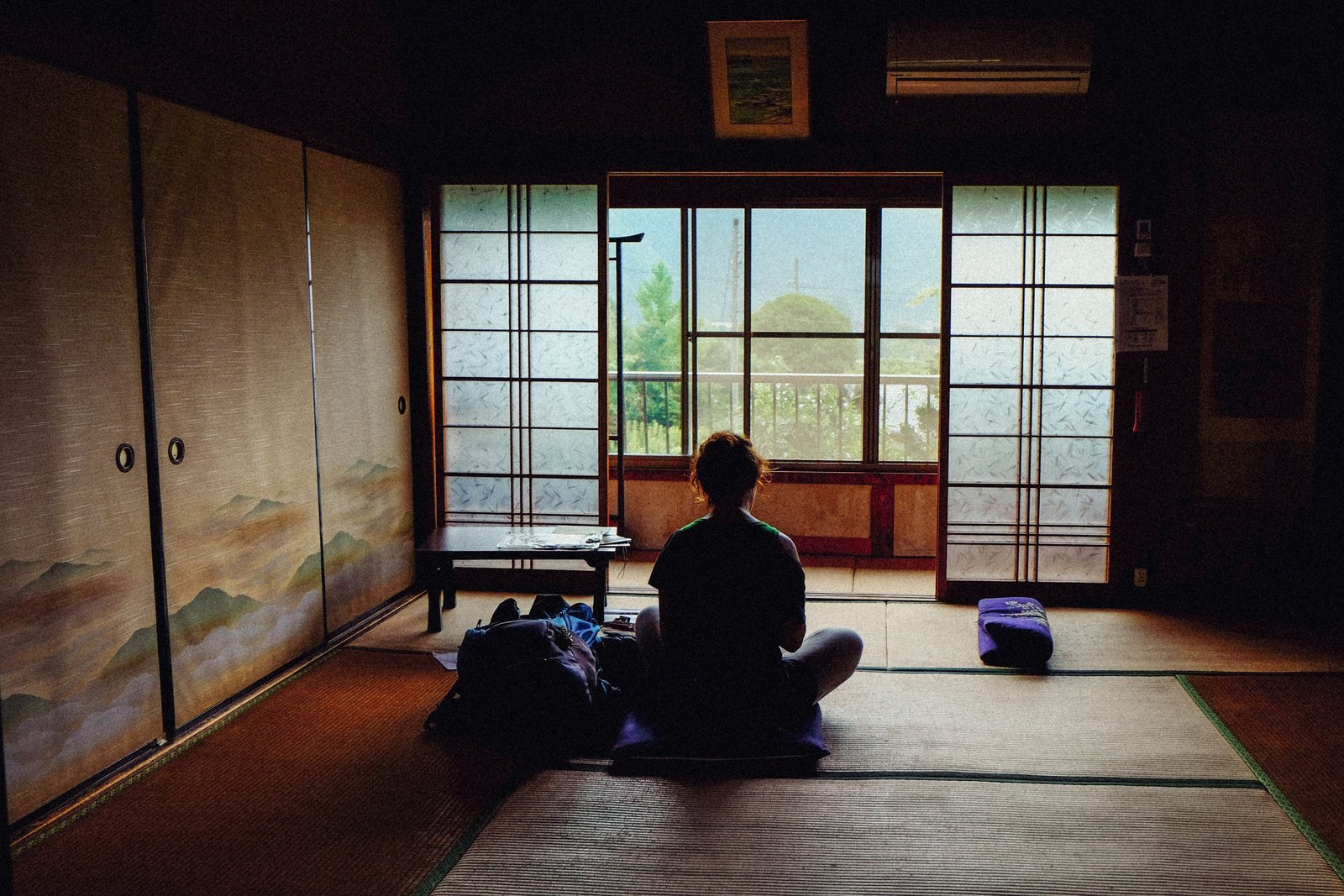
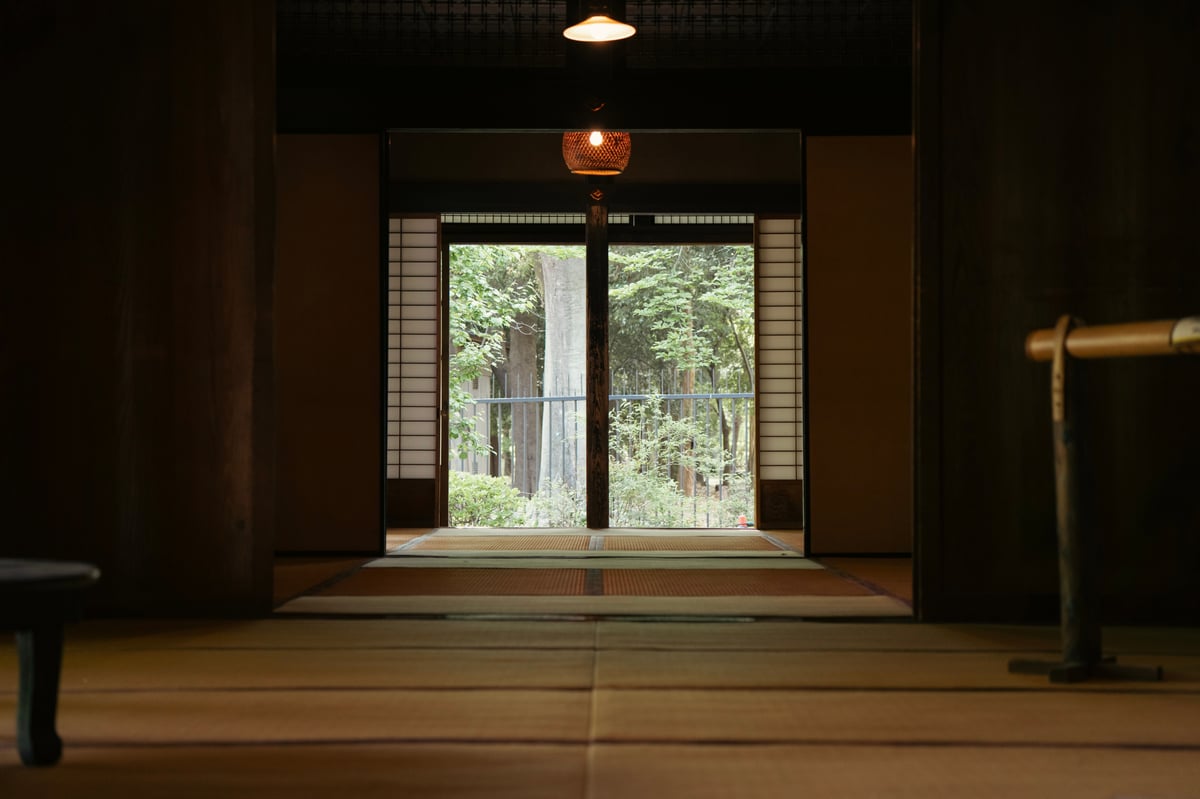
Ryokan date back centuries, some over a thousand years, and center on traditional Japanese hospitality and design. Rooms typically feature tatami-mat floors, sliding paper screens (shoji), low furniture, a small sitting area, and futon bedding laid out directly on the floor — often set up by staff in the evening while you're at dinner and put away in the morning. Many ryokan have hot-spring baths (especially in onsen towns), and meals are usually a central part of the experience. They range from simple, affordable family-run inns to opulent luxury retreats costing as much as a fine hotel.
What's usually included
Most ryokan stays include dinner and breakfast, and the dinner is often a multi-course kaiseki meal — an artful, seasonal procession of small, beautifully presented local dishes that's a culinary experience in itself. This is a big part of what you're paying for, and a major reason ryokan cost more than a basic hotel: you're paying for the meals, the service, and the experience, not just the room. Breakfast is typically a traditional Japanese spread (grilled fish, rice, miso soup, pickles), though some offer a Western option. Always check whether meals are included when you book, as it dramatically changes the value comparison.
The typical flow of a stay
A ryokan stay has a gentle, customary rhythm:
Arrival: you remove your shoes at the entrance (genkan) and change into provided slippers; staff often greet you warmly and may serve welcome tea and a sweet in your room.
Yukata: you'll be given a yukata (a casual cotton robe) to wear around the inn — and, at onsen ryokan, to and from the baths. It's perfectly acceptable to wear it to dinner and around the grounds.
Bath: many guests bathe before dinner; if there's an onsen, follow the usual etiquette (wash before entering, no swimsuit).
Dinner: often served at a set time, either in your room or a dining area — a leisurely kaiseki feast.
Futon: while you dine, staff typically lay out your futon bedding on the tatami.
Breakfast: a traditional morning meal, often at a set time, followed by checkout.
Etiquette basics
Take your shoes off where indicated and use the slippers provided — with separate toilet slippers where present (don't wear those out of the bathroom).
Step on tatami in socks or bare feet, not slippers.
Wear the yukata with the left side wrapped over the right (right-over-left is used only for dressing the deceased, so this detail matters).
Be quiet and respectful — ryokan are tranquil places valued for their calm.
If there's a shared bath, follow onsen etiquette: wash thoroughly before entering, no swimsuit, towel out of the water.
There's no tipping.
Who should stay in one
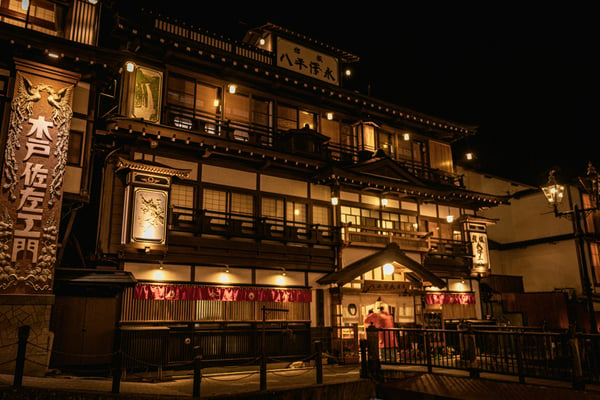
A ryokan suits any traveler curious about traditional Japan, and it's especially magical in an onsen town (where you can soak in hot springs) or in Kyoto (where the traditional setting matches the culture). Even a single night adds a memorable dimension to a trip otherwise spent in city hotels. The trade-offs to be aware of: less privacy and flexibility than a Western hotel, set meal and bath times, and the floor-futon sleeping style, which isn't for everyone. But most first-timers find it a genuine highlight rather than a hardship.
Private baths and rooms with their own onsen
If the idea of a shared communal bath gives you pause — because of modesty, tattoos, or simply preference — look for a ryokan offering a private bath (kashikiri-buro), bookable for your room for a set window, or a room with its own attached open-air bath (rotenburo-tsuki). These cost more but sidestep the shared-bath question entirely, and they're increasingly common even in mid-range properties as demand from foreign travelers has grown.
Booking
Ryokan — especially the well-regarded ones in popular onsen towns and in Kyoto — book up early in peak seasons, so reserve ahead. Check exactly what's included (meals, private vs shared bath, room type), and note any set dinner times. International booking sites list many ryokan now, though some of the best small, family-run properties still only take reservations through Japanese-language sites or by phone — a hotel booking service or your accommodation's concierge can sometimes bridge that gap. Prices vary enormously, from budget family inns to luxury escapes, so there's a ryokan for most budgets. It's well worth the planning for an experience you simply can't get anywhere else — a night of traditional hospitality that lingers in the memory long after the trip.
The honest complication: a ryokan stay works best when you're not also trying to pack in a full day of sightseeing, since the whole point is slowing down for the bath-dinner-futon rhythm. That makes WHERE you put your one ryokan night — a Hakone day trip extended overnight, a Kyoto splurge, an onsen town detour — a real trade-off against the rest of a tight itinerary, not a free add-on. Japan, Worked Out works through exactly where a ryokan night earns its place.
FAQ
What is a ryokan?
Ryokan date back centuries, some over a thousand years, and center on traditional Japanese hospitality and design. Rooms typically feature tatami-mat floors, sliding paper screens (shoji), low furniture, a small sitting area, and futon bedding laid out directly on the floor — often set up by staff in the evening while you're at dinner…
What is included in a ryokan stay?
Most ryokan stays include dinner and breakfast, and the dinner is often a multi-course kaiseki meal — an artful, seasonal procession of small, beautifully presented local dishes that's a culinary experience in itself. This is a big part of what you're paying for, and a major reason ryokan cost more than a basic hotel: you're paying…
Who should stay in a ryokan?
A ryokan suits any traveler curious about traditional Japan, and it's especially magical in an onsen town (where you can soak in hot springs) or in Kyoto (where the traditional setting matches the culture). Even a single night adds a memorable dimension to a trip otherwise spent in city hotels. The trade-offs to be aware of: less…