Japan is more cash-friendly than the US. Here is how to pay, where US cards work, which ATMs to use, the late-2026 tax-free shopping change, and why you do not tip.
Money in Japan trips up a lot of first-time American visitors, because the country is more cash-oriented than the US — even though it feels ultra-modern in every other way. The good news is that the system is simple once you understand it, and a little preparation means you'll never be caught short. Here's how to pay for things smoothly.
Cash still matters
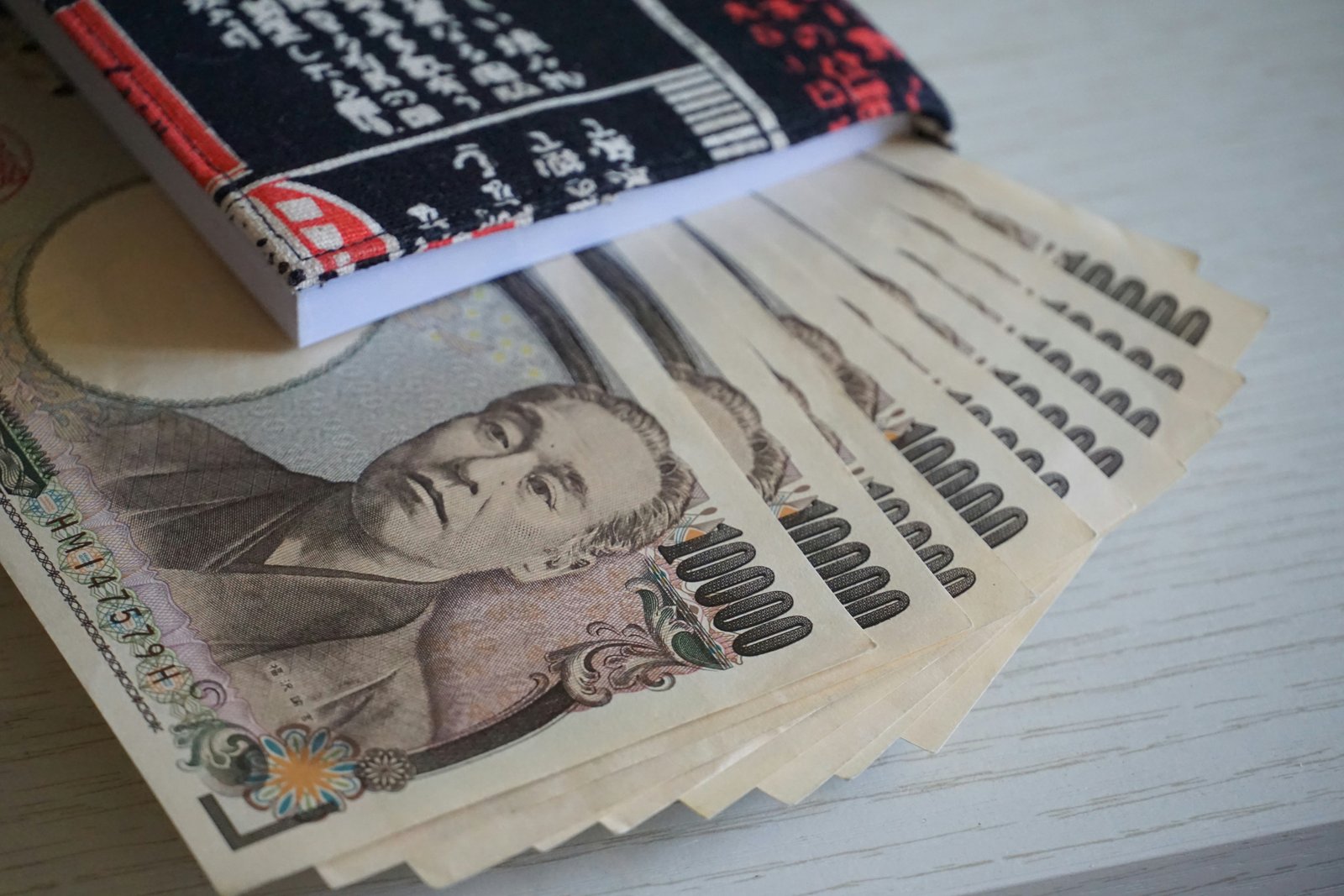
Credit cards are widely accepted in cities, hotels, department stores, chain restaurants, and tourist spots — and card acceptance keeps growing. But plenty of small restaurants, neighborhood shops, market stalls, temples and shrines (for entry fees and charms), and rural businesses still take cash only. The rule of thumb: always carry more yen than you think you'll need, and top up before heading into smaller towns or the countryside — that's also where the reliable foreign-card ATMs thin out fastest, a gap Japan, Worked Out plans around city by city. Japan is extremely safe, so carrying a fair amount of cash isn't the worry it might be elsewhere — pickpocketing is rare.
The currency
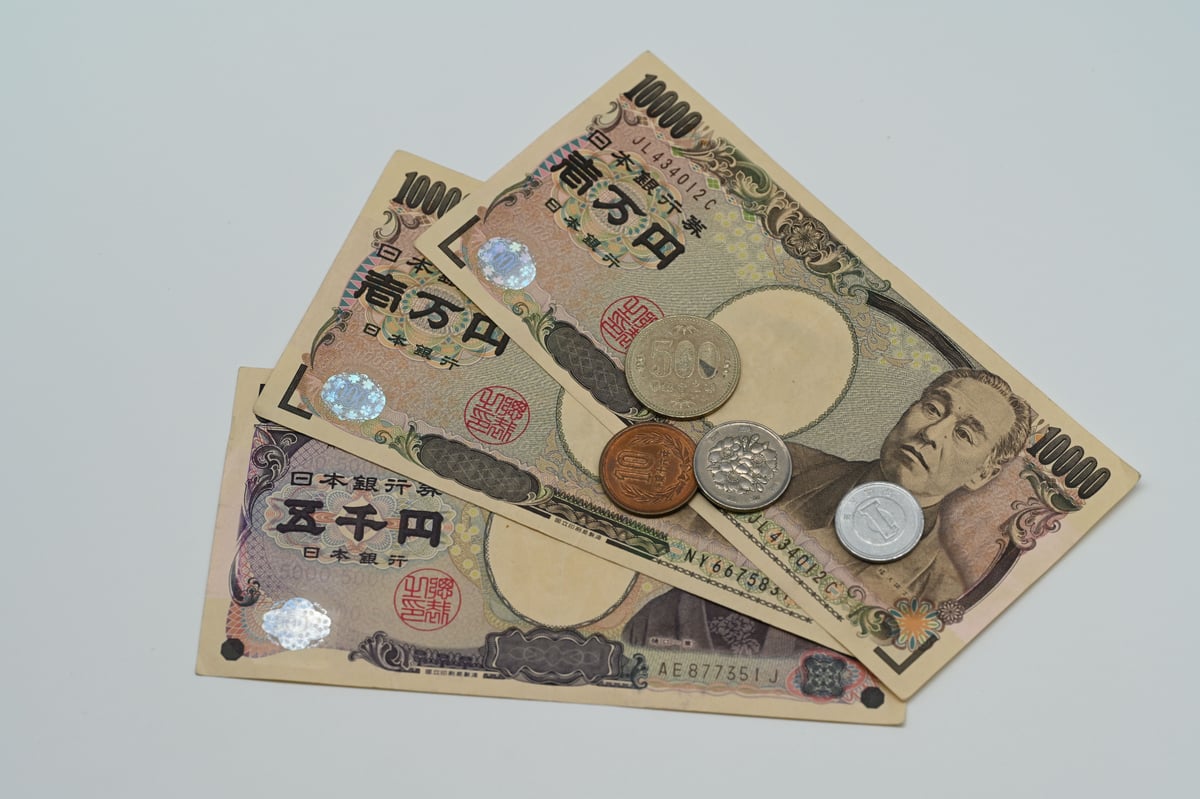
Japan uses the Japanese yen (¥), in coins (¥1 up to ¥500) and notes (¥1,000 up to ¥10,000). Exchange rates move constantly, so check the current USD-to-yen rate close to your trip rather than relying on an old figure — a quick mental conversion at the day's rate saves you from sticker shock or accidental overspending. Coins add up fast here (the ¥500 coin is worth several dollars), so a coin purse is genuinely useful, and IC cards help absorb your small change.
Getting yen: use the right ATMs
The easiest way to get cash is withdrawing from an ATM with your US debit card once you arrive — the rate is usually better than airport currency-exchange desks. The catch is that not every Japanese ATM accepts foreign cards. The reliable ones are:
7-Eleven (Seven Bank) ATMs — inside their convenience stores, which are everywhere, open 24/7, and have English menus.
Japan Post Bank ATMs — at post offices nationwide, also foreign-card friendly with English support.
Both consistently accept foreign Visa, Mastercard, and other major cards. Tell your bank you're traveling so the card isn't frozen — a genuinely common trip-ruining mistake that's entirely avoidable with one phone call beforehand — and check your withdrawal and foreign-transaction fees before you go; many travel-focused cards waive the latter, but plenty of everyday cards charge 1–3% on every purchase, which adds up over a two-week trip.
IC cards: your transit lifeline (and a wallet)
An IC card — Suica, Pasmo, or the Kansai ICOCA — is the one piece of "money" advice that matters most day to day: a rechargeable tap card you'll use constantly for trains, subways, and buses, and you can also tap it to pay at convenience stores, vending machines, coin lockers, and many shops and restaurants. Load it with cash at any station machine and simply tap in and out. It turns the transit system from confusing to effortless and soaks up your small change into easy cashless payments. Get one as soon as you land — they're easy to buy again now that a past production shortage has ended, and you can even add a digital version to a supported phone. If yours is an iPhone, here is how Mobile Suica works on an American iPhone.
Tipping: don't
Here's the big cultural shift for Americans: there is no tipping in Japan. Service — which is famously attentive — is already included in the price, and leaving extra cash can actually cause confusion or be politely refused (staff may chase you to return it). This applies across the board: restaurants, taxis, hotels, salons, everywhere. Don't tip; it isn't rude, it's simply not the custom. This alone can simplify (and slightly cheapen) your trip versus home.
How much to budget
Daily costs vary widely by travel style — from budget travelers eating at convenience stores and ramen counters and riding trains, to mid-range travelers in business hotels, to higher-end stays in ryokan with kaiseki dinners. Japan can be surprisingly affordable day to day (a great ramen lunch costs only a few dollars, and konbini meals are cheap and good), while rail travel and nicer hotels are where budgets climb. Because prices and exchange rates shift, it's best to price your specific hotels, Shinkansen legs, and meals at current rates rather than lock in a fixed daily number.
Tax-free shopping is changing in late 2026
Japan's tax-free shopping system for tourists changes on November 1, 2026 — worth knowing if your trip straddles that date. Through October 31, 2026, eligible visitors get the roughly 10% consumption tax (8% on food and non-alcoholic drinks) taken off at the register or refunded on the spot at a store's tax-free counter, generally on purchases of at least ¥5,000 before tax at the same store on the same day. From November 1, 2026 onward, everyone pays the tax-inclusive price at checkout and claims the refund later at the airport before departure, within 90 days of the purchase. Either way, keep your passport on you when shopping and your receipts until you leave the country — and note that since April 2025, items shipped home internationally no longer qualify; you have to carry the purchase out with you.
Customs note
If you're carrying very large sums, be aware that Japan requires you to declare amounts over the equivalent of about ¥1,000,000 at customs (combining cash and certain instruments). Most travelers never come anywhere close, so this rarely applies.
Bottom line
Carry plenty of cash, get a Suica or Pasmo on arrival, use 7-Eleven or Japan Post ATMs for withdrawals, tell your bank you're traveling, and forget everything you know about tipping. Sort those out and the money side of your trip basically runs itself — leaving you free to focus on where to go and when.
FAQ
Do you still need cash in Japan?
Credit cards are widely accepted in cities, hotels, department stores, chain restaurants, and tourist spots — and card acceptance keeps growing. But plenty of small restaurants, neighborhood shops, market stalls, temples and shrines (for entry fees and charms), and rural businesses still take cash only. The rule of thumb: always carry…
What currency does Japan use?
Japan uses the Japanese yen (¥), in coins (¥1 up to ¥500) and notes (¥1,000 up to ¥10,000). Exchange rates move constantly, so check the current USD-to-yen rate close to your trip rather than relying on an old figure — a quick mental conversion at the day's rate saves you from sticker shock or accidental overspending. Coins add up…
Which ATMs in Japan work with US cards?
The easiest way to get cash is withdrawing from an ATM with your US debit card once you arrive — the rate is usually better than airport currency-exchange desks. The catch is that not every Japanese ATM accepts foreign cards. The reliable ones are:
7-Eleven (Seven Bank) ATMs — inside their convenience stores, which are everywhere, open 24/7, and have English menus.
Japan Post Bank ATMs — at post offices nationwide, also foreign-card friendly with English support.