Affiliate disclosure: this guide contains affiliate links. If you book through them we may earn a commission, at no extra cost to you.
Two of the most popular ways to get internet in Japan are pocket WiFi and an eSIM. Both work well across the country's excellent mobile networks; the right choice mainly comes down to your devices, your group size, and how you like to travel. Here's a clear, practical comparison to help you decide.
What each one is
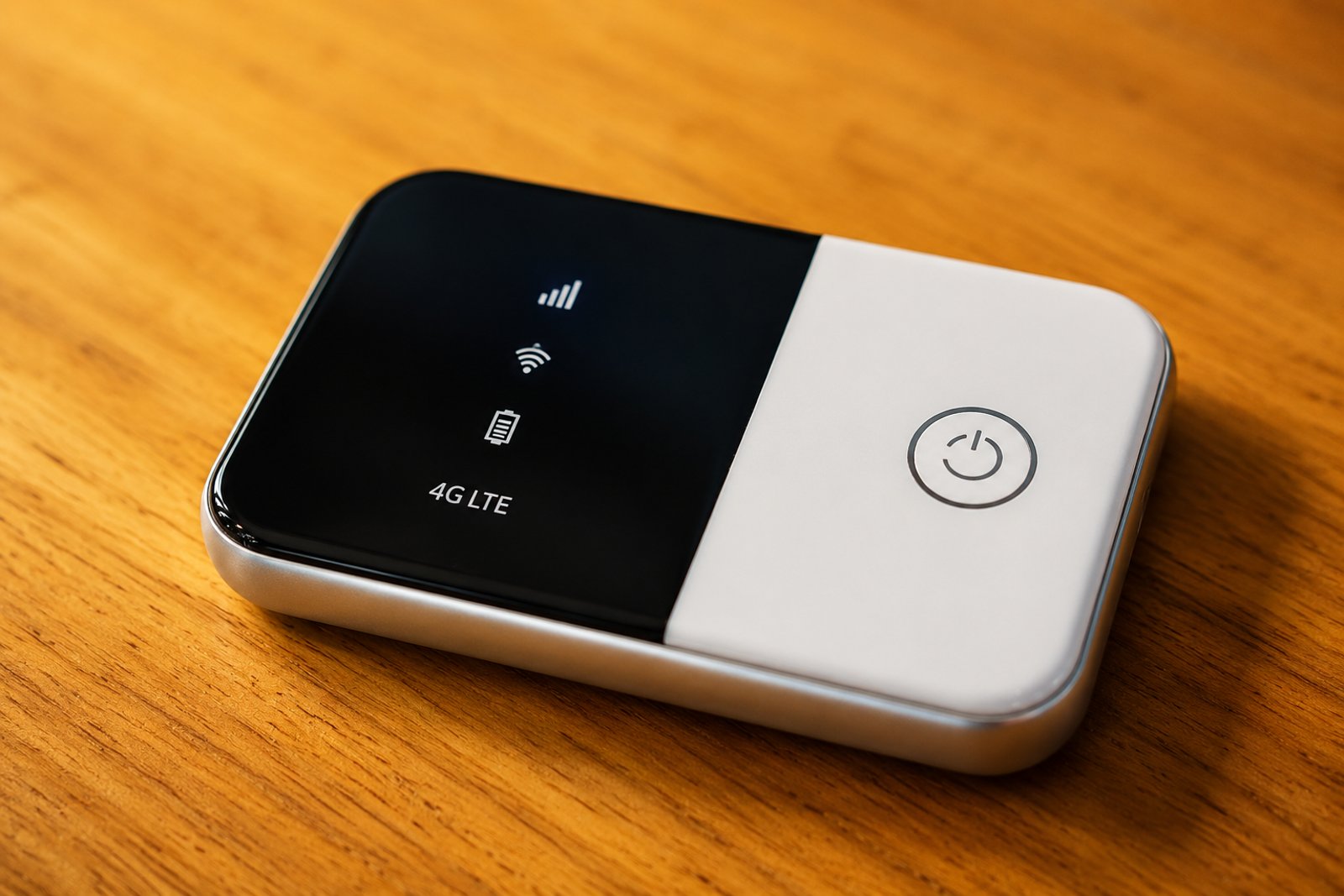
Pocket WiFi is a small rental hotspot device that connects to the mobile network and broadcasts its own WiFi signal, which your phone and other devices join. You rent it for the length of your trip (with airport pickup and return, or hotel delivery) and carry it with you during the day.
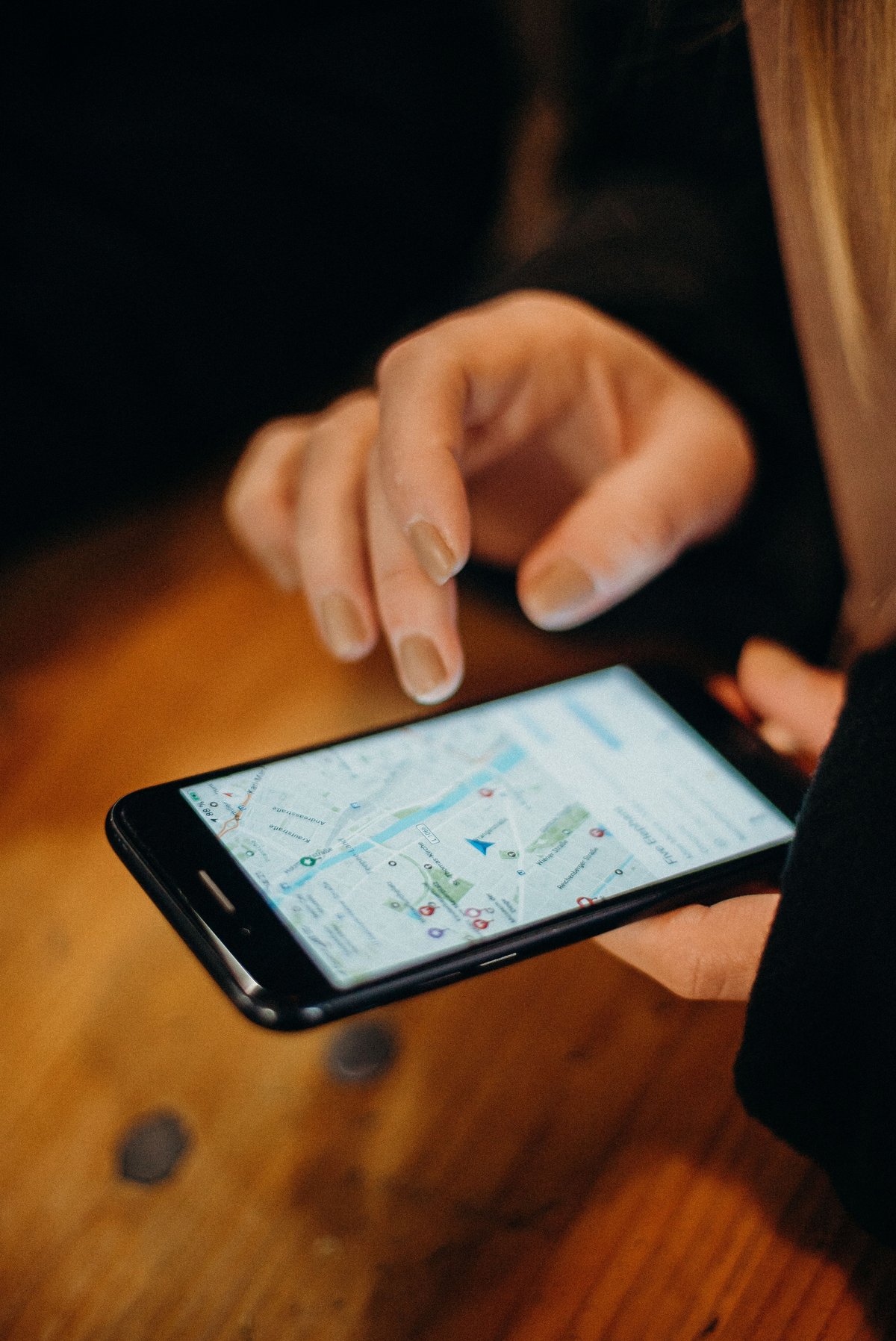
An eSIM is a digital SIM installed directly onto a compatible phone, giving that single phone its own data connection — nothing extra to carry, charge, or return.
Pocket WiFi: pros and cons
Pros:
Connects multiple devices at once — ideal for couples, families, or groups who can share one device and split the cost.
Works with any phone or device, regardless of eSIM support or carrier unlocking — even laptops and tablets.
Often offers generous or unlimited data, good for heavy users.
Cons:
It's an extra device to carry and recharge — its battery has to last your whole day out, so you may need a power bank.
You must pick it up and return it (at an airport counter or by mail), adding a small logistical step at both ends.
If one person carries it and the group splits up, everyone else loses connection.
Usually a higher base cost for a solo traveler than an eSIM.
eSIM: pros and cons
Pros:
Nothing to carry, charge, or return — it lives on your phone.
Can be installed before you fly and activated on arrival, so you land already connected.
Typically cheaper for a single traveler.
No device to lose, no battery to die, no return deadline.
Cons:
Requires an eSIM-compatible, carrier-unlocked phone.
Connects only that one phone — not ideal if you need several devices (or non-phone devices) online.
Data plans may be capped, so heavy users should size up or choose an unlimited option.
What about a physical SIM card?
A third option, physical prepaid SIM cards (from carriers like Docomo, SoftBank, or tourist-focused brands), sits between the other two: like an eSIM, it only serves one phone, but it requires physically swapping the card and doesn't need eSIM support — useful for slightly older unlocked phones that can't take an eSIM but can take a nano-SIM. It's a shrinking middle ground now that eSIM support is standard on most recent phones, and the swap means keeping track of your original SIM somewhere safe for the trip.
Which should you choose?
Solo traveler with a modern phone: eSIM — cheaper, simpler, and nothing to return.
Couple, family, or group: pocket WiFi can be more economical overall and keeps everyone connected on one device and bill.
Older or non-eSIM phone: pocket WiFi (or a physical SIM).
Want connection the instant you land with zero pickup: an eSIM installed in advance.
Need lots of data across multiple devices (laptops, tablets, several phones): pocket WiFi.
A few practical notes
Compare the total trip cost, not just the daily rate — pocket WiFi adds rental and sometimes optional insurance, while an eSIM is usually a single flat plan.
For pocket WiFi, arrange airport pickup/return or hotel delivery in advance, and don't forget to return it (a missed return can mean extra fees).
For an eSIM, confirm your phone is unlocked and eSIM-capable before buying, and keep your regular line for calls/texts if needed.
If group members split up often, consider that the eSIM-per-person approach keeps everyone independently connected.
Either way, sort it before departure or immediately on arrival so you're never stuck offline.
Popular eSIM providers for Japan include Airalo and Ubigi, both installable from home before you fly; pocket WiFi counters and pre-booked rentals are available at every major airport (Haneda, Narita, Kansai) for same-day pickup.
Bottom line
For most solo travelers, an eSIM wins on convenience and cost — nothing to carry or return, and you land connected. For groups, families, or anyone needing several devices online, pocket WiFi often makes more sense and can be cheaper per person. Match the choice to how you actually travel, and you'll stay reliably connected throughout Japan.
What about my regular carrier's international roaming?
Most US carriers offer an international day-pass or roaming add-on that technically works in Japan without any setup at all — the simplest option on paper. In practice it's usually the most expensive per gigabyte of the options here, and daily-fee plans add up fast on a two-week trip, so it's worth comparing the total cost against an eSIM before defaulting to it out of convenience. It can still make sense as a backup for the rare traveler who only needs data for a day or two, or wants to keep their home number active without juggling a second line.
FAQ
What is the difference between pocket WiFi and an eSIM?
Pocket WiFi is a small rental hotspot device that connects to the mobile network and broadcasts its own WiFi signal, which your phone and other devices join. You rent it for the length of your trip (with airport pickup and return, or hotel delivery) and carry it with you during the day.
Should you get a physical SIM card in Japan instead?
A third option, physical prepaid SIM cards (from carriers like Docomo, SoftBank, or tourist-focused brands), sits between the other two: like an eSIM, it only serves one phone, but it requires physically swapping the card and doesn't need eSIM support — useful for slightly older unlocked phones that can't take an eSIM but can take a…
Which is better in Japan, pocket WiFi or an eSIM?
For most solo travelers, an eSIM wins on convenience and cost — nothing to carry or return, and you land connected. For groups, families, or anyone needing several devices online, pocket WiFi often makes more sense and can be cheaper per person. Match the choice to how you actually travel, and you'll stay reliably connected throughout Japan.
Keep planning
Not sure how it all fits together?
Pick your trip length and we’ll route a real day-by-day plan.