Affiliate disclosure: this guide contains affiliate links. If you book through them we may earn a commission, at no extra cost to you.
Booking accommodation in Japan is straightforward, and the country's hotels are famously clean, efficient, and well run. But a few things work differently than they do at home, and knowing them ahead of time helps you book smart, avoid surprises, and get the best value. Here's what American travelers should know.
Rooms are smaller than you expect
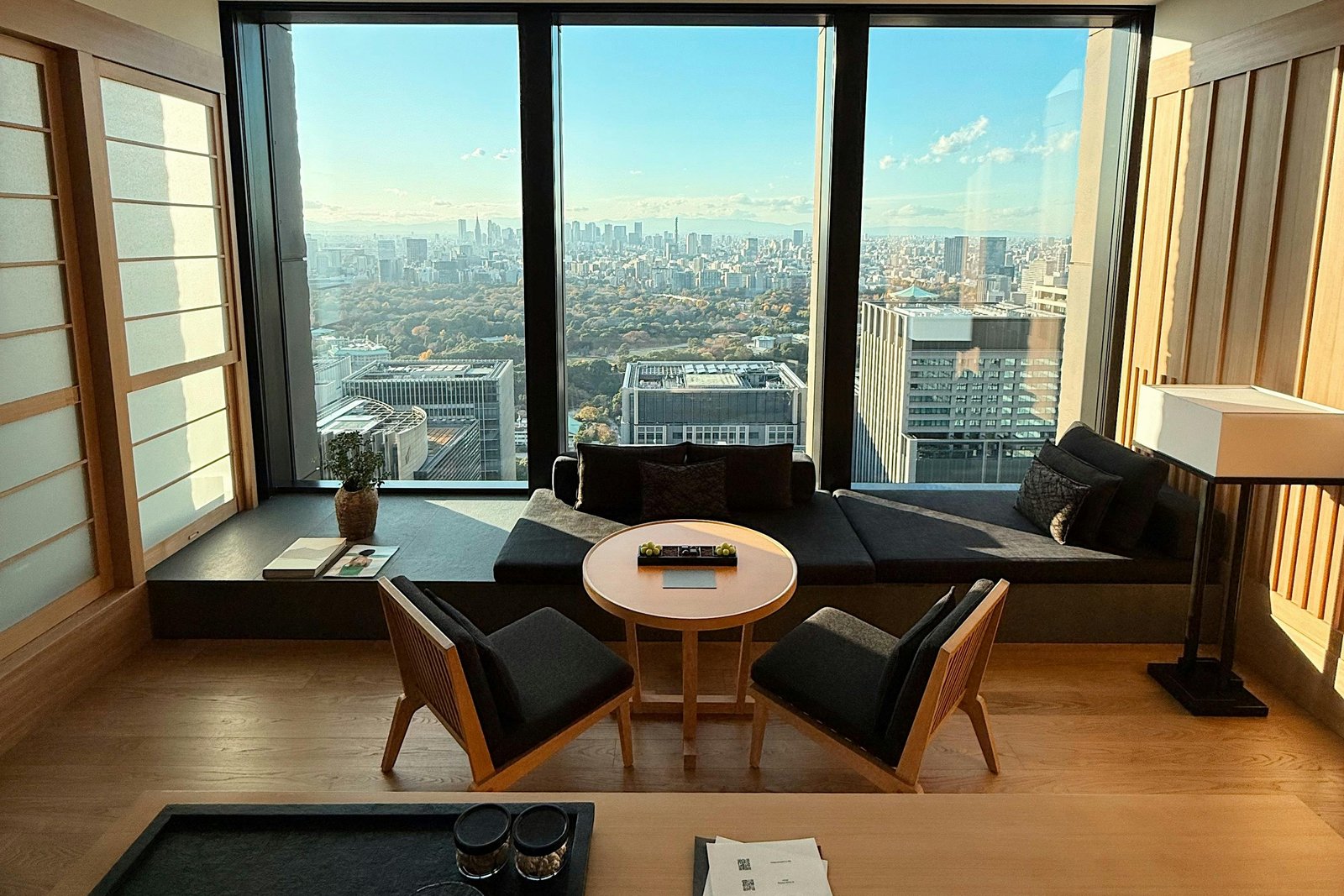
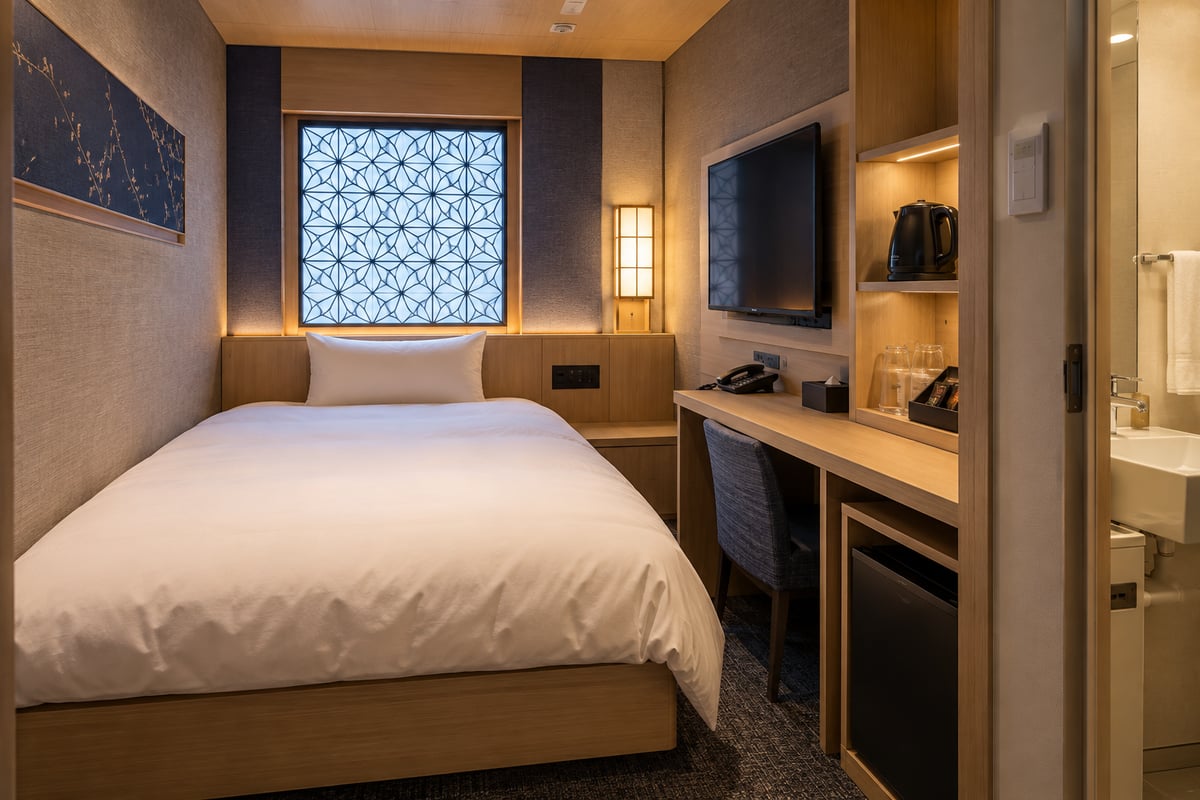
Japanese hotel rooms, especially business hotels in cities, are compact by American standards — space is at a premium in dense urban Japan, and a "standard" room can feel snug. This is normal and not a sign of a bad hotel; the rooms are typically spotless, cleverly designed, and have everything you need. If room size genuinely matters to you, check the listed square meters (not just the star rating), and consider paying up for a larger room, a "deluxe" category, or a Western international chain. For most travelers who are out exploring all day and just need a comfortable base to sleep, the efficient smaller rooms are perfectly fine — and great value.
Book early for peak seasons
The single most important tip: reserve well ahead for cherry blossom season (late March–April) and fall foliage (October–November), plus domestic holiday periods like Golden Week. The best-located and best-value places sell out months in advance during these windows, and prices climb sharply. If your dates fall in peak season, book as soon as your plans firm up — waiting can mean either much higher prices or being pushed to inconvenient locations.
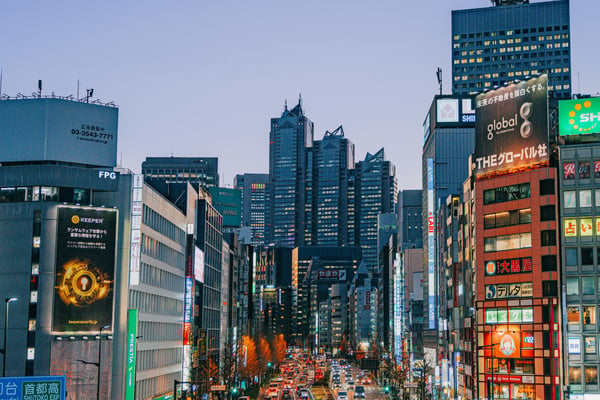
In Japan's transit-based cities, proximity to a train or subway station is worth more than almost any other amenity. A hotel a few minutes' walk from a station saves you time and effort every single day, especially when you're tired or hauling luggage. Prioritize it over things like a big lobby, a gym, or a pool you'll never use. A modest room two minutes from a major station often beats a nicer room fifteen minutes away. Check the walking time to the nearest station — and which lines it serves — before booking.
Understand what's included
Read the rate details carefully, as inclusions vary:
Breakfast is often optional and added to the rate — but Japanese hotel breakfasts (both Japanese and Western spreads) can be excellent and good value.
Ryokan rates frequently include dinner and breakfast — often a multi-course kaiseki dinner — which makes their higher price far more reasonable than it first looks. Compare like-for-like.
Taxes and any service charges are usually included in the displayed price, but confirm; many cities also levy a separate accommodation tax, charged per person per night and often collected in cash at check-in rather than baked into the online rate. Tokyo's runs a modest ¥100–200. Kyoto's is steeper and tiered by room rate — as of March 2026 it ranges from ¥200 a night on budget rooms up to ¥10,000 a night on the most expensive luxury stays — so factor it into your budget for pricier Kyoto hotels especially.
Practical booking notes
Major international booking platforms work well in Japan and list everything from capsule hotels to luxury ryokan, usually with English support and reviews.
Check-in times can be strict, often starting at 3 or 4pm with no early check-in as a default, and many places ask for passport details at check-in for foreign guests — this is normal procedure, not a red flag, and required by law for non-residents.
Some traditional ryokan have set meal and bath times and specific etiquette — read the details so you're not caught out arriving after the dinner seating has closed.
Many hotels offer luggage forwarding (takkyubin) to your next accommodation, or even directly to the airport for your departure — a hugely convenient service for moving between cities without dragging bags on trains, typically arriving the next day for a modest per-bag fee.
There's no tipping, including at hotels — a service charge, where one applies, is already folded into the rate.
Consider one special stay
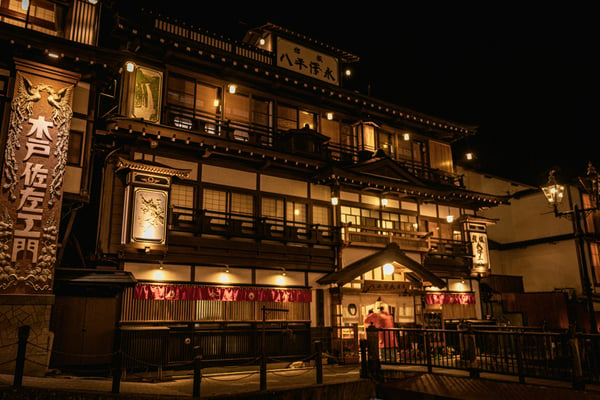
Beyond your practical city hotels, consider booking one memorable night to add texture to the trip — a ryokan in an onsen town, a traditional machiya townhouse in Kyoto, a temple lodging (shukubo), or even a capsule hotel for the novelty. These experiences become highlights in their own right, balancing the convenience of a business hotel with a taste of something distinctly Japanese. Compare options and prices for your dates early, and you'll get both the everyday convenience and the special experience you want.
Bottom line
Book early for peak seasons, prioritize a location near a station, expect compact but immaculate rooms, and read what's included before comparing prices. Mix efficient city hotels with one special traditional stay, take advantage of luggage forwarding between cities, and you'll have comfortable, well-placed bases throughout your trip — without overpaying or compromising on convenience.
FAQ
How big are Japanese hotel rooms?
Japanese hotel rooms, especially business hotels in cities, are compact by American standards — space is at a premium in dense urban Japan, and a "standard" room can feel snug. This is normal and not a sign of a bad hotel; the rooms are typically spotless, cleverly designed, and have everything you need. If room size genuinely matters…
How far ahead should you book hotels in Japan?
The single most important tip: reserve well ahead for cherry blossom season (late March–April) and fall foliage (October–November), plus domestic holiday periods like Golden Week. The best-located and best-value places sell out months in advance during these windows, and prices climb sharply. If your dates fall in peak season, book as…
Does hotel location matter in Japan?
In Japan's transit-based cities, proximity to a train or subway station is worth more than almost any other amenity. A hotel a few minutes' walk from a station saves you time and effort every single day, especially when you're tired or hauling luggage. Prioritize it over things like a big lobby, a gym, or a pool you'll never use. A…
Keep planning
Not sure how it all fits together?
Pick your trip length and we’ll route a real day-by-day plan.