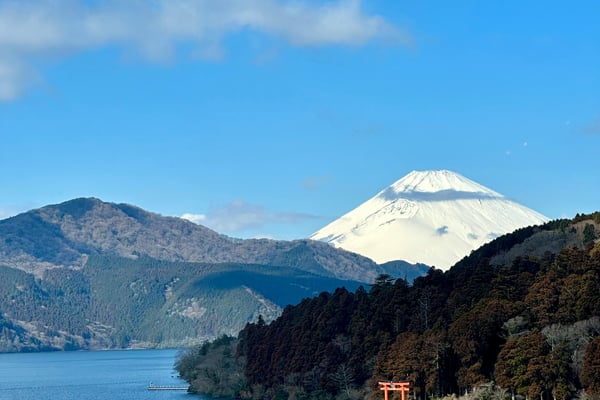
Kyoto was Japan's imperial capital for over a thousand years, and it shows — the city holds an astonishing concentration of temples, shrines, gardens, and preserved old streets, set against forested hills. It rewards a slower, more contemplative pace than Tokyo. The trick to enjoying it is grouping sights by area and pacing yourself so the temples stay magical rather than blurring together. Here are the experiences that define a first visit, and how to fit them into your days.
Kinkaku-ji (the Golden Pavilion)
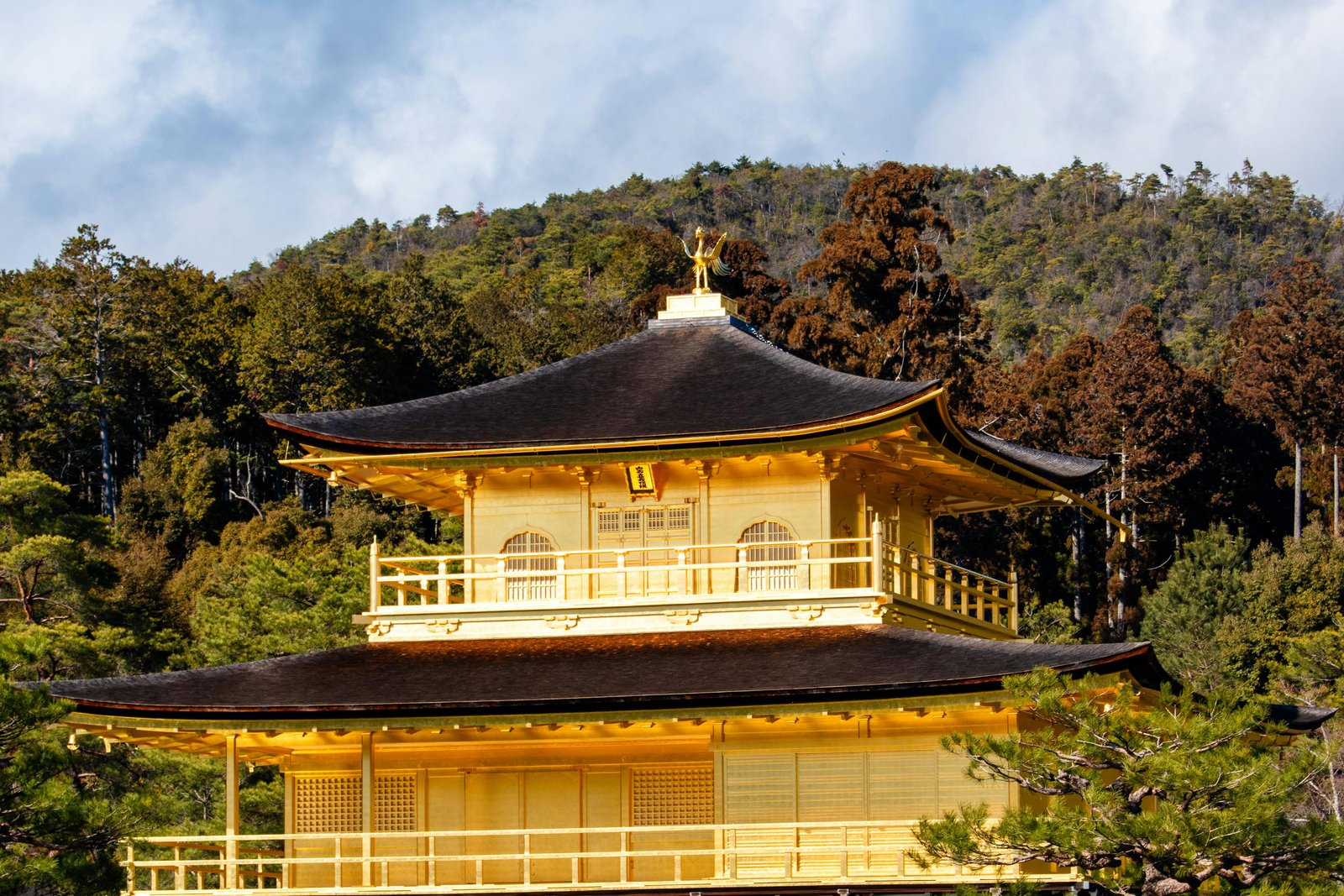
Kinkaku-ji is Kyoto's most iconic sight — a Zen temple whose top two floors are covered in brilliant gold leaf, mirrored in the still pond it sits beside. It's breathtaking in any season, framed by snow in winter or greenery in summer. The viewing path is short and one-directional, so the visit itself is quick, which makes it easy to pair with other northwestern sights like Ryoan-ji. Arrive early in the day to enjoy it before the crowds thicken — it's one of the busiest spots in the city for good reason.
Kyoto’s four corners: Kinkaku-ji · Kiyomizu-dera · Fushimi Inari · Arashiyama. (Enable JavaScript for the interactive map.)
Fushimi Inari Taisha
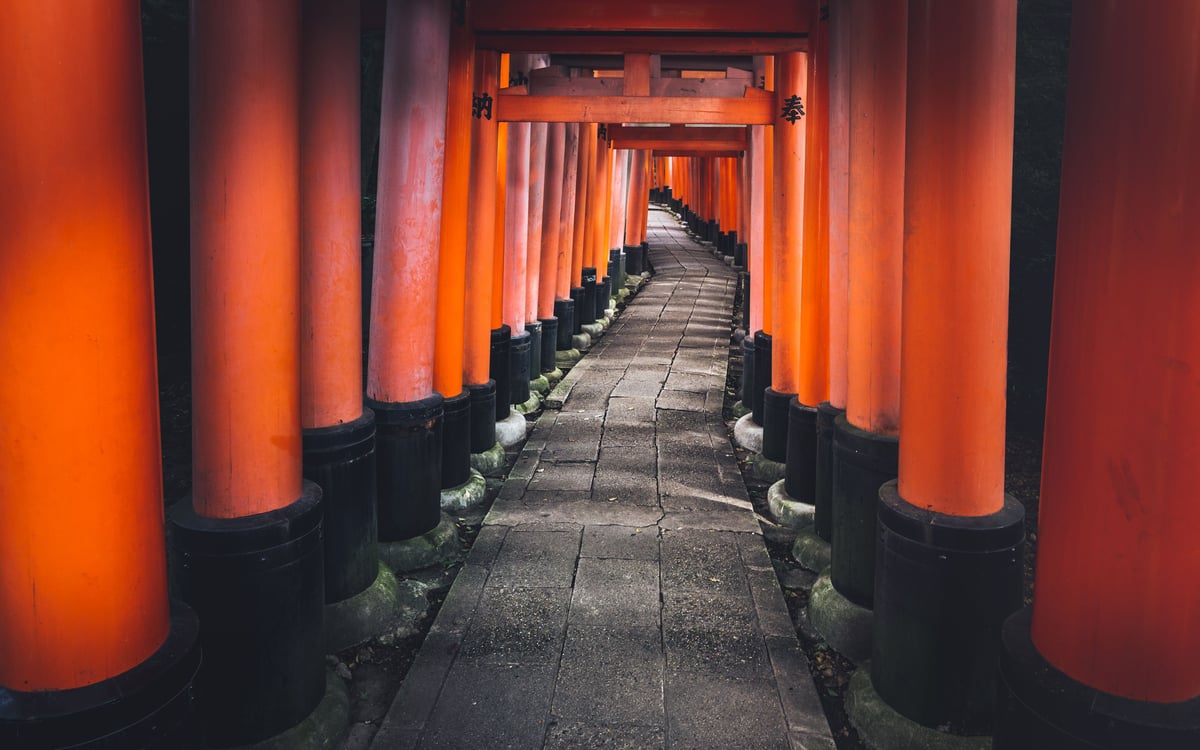
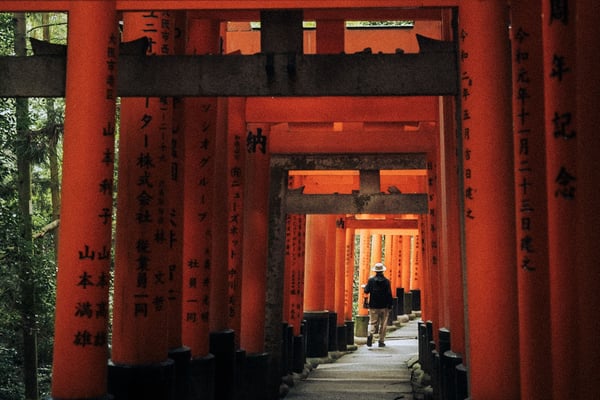
Fushimi Inari is the shrine famous for its thousands of vermilion torii gates forming glowing tunnels up a wooded mountainside. Walking through the seemingly endless corridors of gates is one of Japan's signature experiences, and it's completely free to enter. The full hike to the summit takes a couple of hours round trip, passing smaller shrines, fox statues (foxes are seen as messengers of the deity Inari), and viewpoints over the city — but you don't have to do it all. Even walking partway up rewards you with the iconic gate tunnels, and the higher you climb, the thinner the crowds become. Go early in the morning or in the evening to experience the gates at their most atmospheric.
Kiyomizu-dera and the Higashiyama streets
Kiyomizu-dera is a grand wooden temple perched on a hillside, with a famous veranda jutting out over the slope and sweeping views over Kyoto — especially beautiful in cherry blossom and autumn seasons. Just as rewarding as the temple is the journey to it: the walk up through the Higashiyama district winds through preserved sloping lanes like Ninenzaka and Sannenzaka, lined with traditional wooden shops, teahouses, craft stores, and street-food stalls. Budget plenty of time to simply wander here; it's the most atmospheric stroll in the city and the heart of old Kyoto.
Arashiyama Bamboo Grove
On the western edge of the city, the Arashiyama Bamboo Grove is a path winding through towering stalks of bamboo that filter the sunlight into something ethereal. It's short but striking and famously photogenic, so go early in the morning to experience it before the crowds arrive. The surrounding Arashiyama area rounds out a half-day: the important Zen temple Tenryu-ji (a UNESCO site with a celebrated garden) sits right beside the grove, the scenic Togetsukyo Bridge spans the river with mountain backdrops, and a hillside monkey park offers panoramic city views for those willing to climb.
Gion, the geisha district
In the evening, wander Gion, Kyoto's historic geisha quarter, with its wooden machiya townhouses, lantern-lit streets, and exclusive teahouses. The famous Hanamikoji street is its heart. If you're lucky you may glimpse a geiko or maiko (Kyoto's terms for geisha and apprentice geisha) hurrying to an appointment — but be respectful: don't chase, block, or grab at them, and follow posted rules about photography on private streets. They are working professionals, not attractions. Quiet, courteous observation is the way, and Gion at dusk is one of Kyoto's most magical experiences.
Eat like a local
Kyoto has a refined, seasonal food culture shaped by its imperial and Buddhist heritage. Browse Nishiki Market — "Kyoto's Kitchen" — a covered arcade of food stalls and specialty shops, for snacks, pickles, and local ingredients. Stroll Pontocho Alley, a narrow lantern-lit lane beside the river, for dinner; in the warmer months some restaurants set up riverside dining platforms. Seek out Kyoto specialties like kaiseki (elegant multi-course dining), yudofu (simmered tofu, tied to the city's Buddhist temple cuisine), and matcha sweets and cafes — the nearby town of Uji is famous matcha country.
More to explore if you have time
Ginkaku-ji (Silver Pavilion) and the scenic Philosopher's Path, a canal-side walk lovely in cherry-blossom season.
Ryoan-ji, home to Japan's most famous Zen rock garden — minimalist and contemplative.
Nijo Castle, with its "nightingale" floors that chirp underfoot, and ornate shogun residences.
The Kyoto Imperial Palace and its expansive park grounds.
How to plan your days
Kyoto's sights are spread out — east (Higashiyama, Gion, Kiyomizu, Fushimi Inari), west (Arashiyama, Kinkaku-ji), and center — so group them by area to save travel time, ideally one zone per day. You'll get around by a mix of buses, the subway, and walking, all covered by your IC card; comfortable shoes are essential. Limit yourself to two or three major temples a day and mix in markets, gardens, and old streets to avoid temple fatigue. Start early at the most famous sites, and Kyoto reveals itself as the soulful counterpoint to Tokyo — often travelers' favorite part of a first trip.
Booking and day trips
Experiences like tea ceremonies, kimono rentals, and guided tours are popular and worth reserving ahead in peak seasons. And when you're ready to venture out, Kyoto sits in the heart of the Kansai region with superb day trips a short train ride away — the deer and giant Buddha of Nara, the food and energy of Osaka, and Japan's finest castle at Himeji. But the city itself can easily fill two or three rich days first.
FAQ
What is Kinkaku-ji?
Kinkaku-ji is Kyoto's most iconic sight — a Zen temple whose top two floors are covered in brilliant gold leaf, mirrored in the still pond it sits beside. It's breathtaking in any season, framed by snow in winter or greenery in summer. The viewing path is short and one-directional, so the visit itself is quick, which makes it easy to…
What is Fushimi Inari Taisha?
Fushimi Inari is the shrine famous for its thousands of vermilion torii gates forming glowing tunnels up a wooded mountainside. Walking through the seemingly endless corridors of gates is one of Japan's signature experiences, and it's completely free to enter. The full hike to the summit takes a couple of hours round trip, passing…
What is Kiyomizu-dera?
Kiyomizu-dera is a grand wooden temple perched on a hillside, with a famous veranda jutting out over the slope and sweeping views over Kyoto — especially beautiful in cherry blossom and autumn seasons. Just as rewarding as the temple is the journey to it: the walk up through the Higashiyama district winds through preserved sloping…
Keep planning
Not sure how it all fits together?
Pick your trip length and we’ll route a real day-by-day plan.