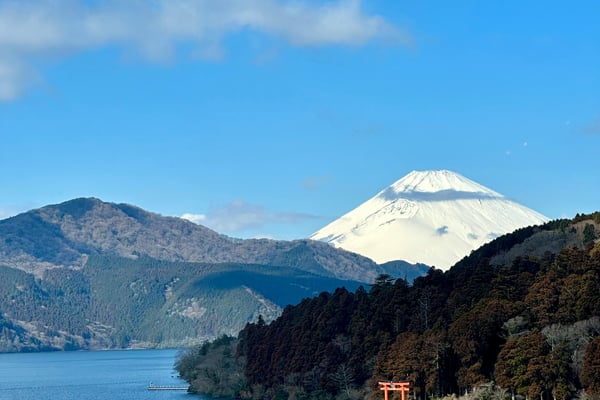
Visiting Japan's temples and shrines is a highlight of any trip, and a little etiquette goes a long way toward showing respect — and getting more out of the experience. The customs are simple, and locals are gracious with visitors who make a genuine effort, even if you don't get every detail perfect. Here's what to know, from telling temples and shrines apart to the right way to pray, photograph, and behave.
Temples vs shrines: what's the difference?
First, a quick distinction that shapes the etiquette. Shrines are Shinto, Japan's indigenous religion, and are marked by torii gates (the iconic gateway, often vermilion) at their entrance; their names typically end in "-jingu," "-jinja," or "-taisha." Temples are Buddhist, often entered through large wooden gates with guardian statues, and usually feature incense burners, pagodas, and Buddhist statuary; their names often end in "-ji," "-dera," or "-in." Many Japanese people visit both and observe the customs of each without seeing a contradiction. The biggest practical difference for visitors: you clap when praying at shrines, but not at temples.
At a Shinto shrine
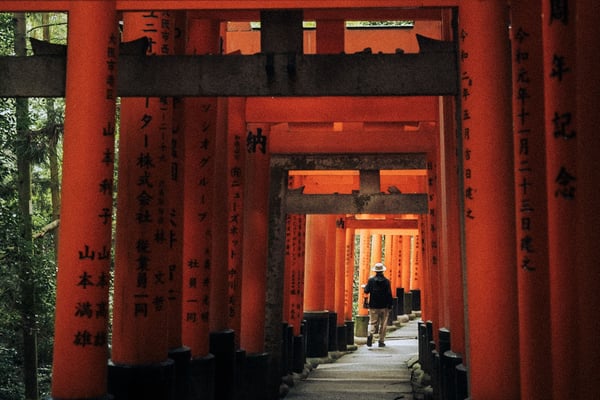
Torii gates: it's customary to bow slightly before passing through, and to avoid walking down the exact center of the path, which is considered the way reserved for the gods — keep to one side.
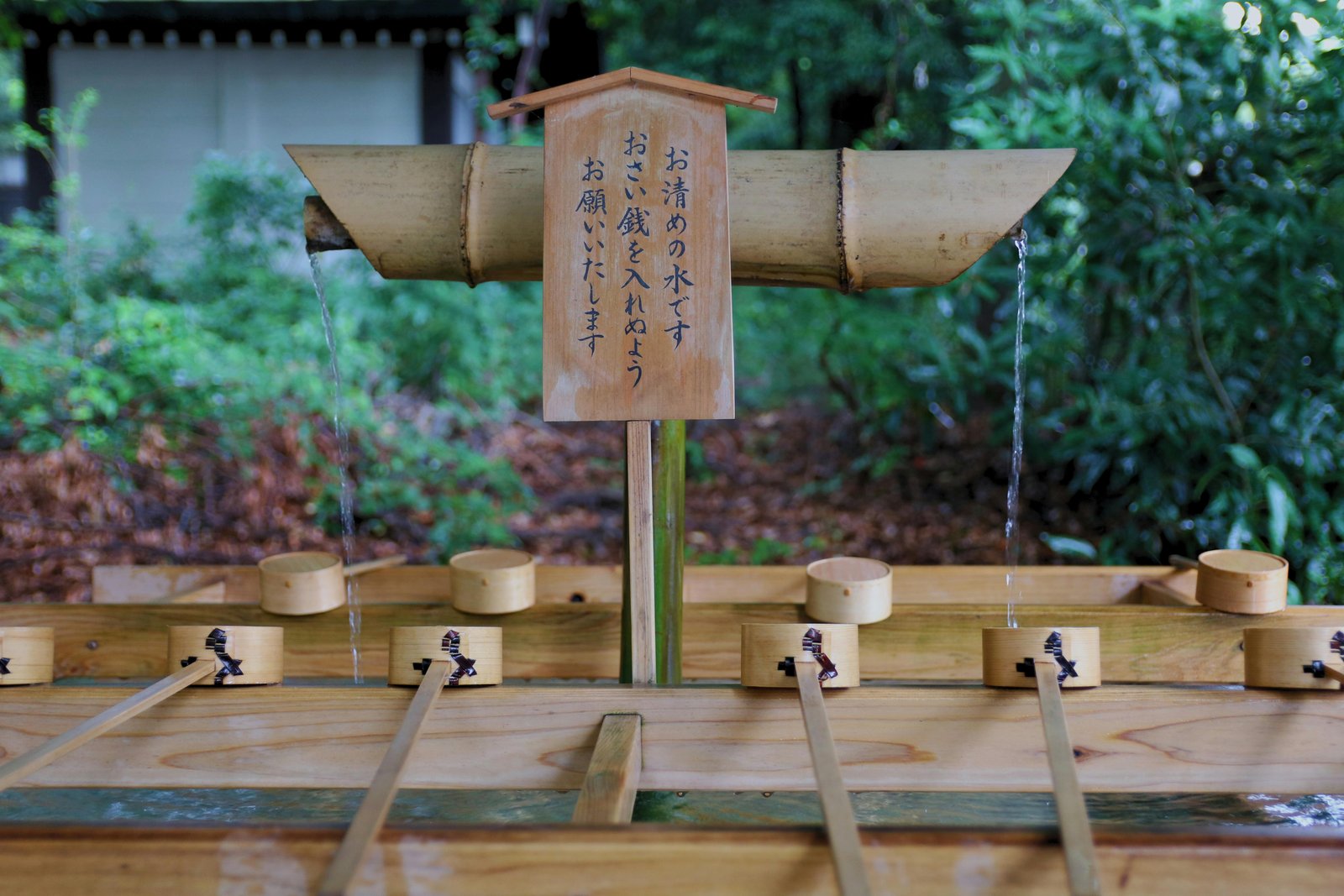
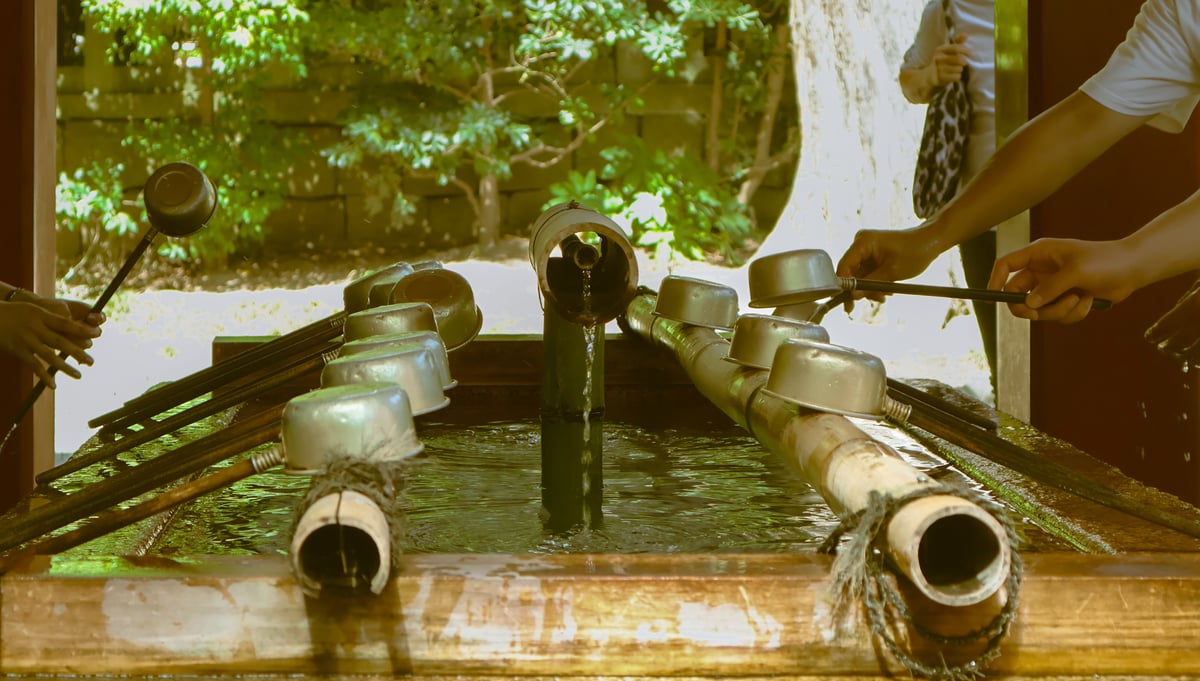
Purify yourself: at the water pavilion (temizuya) near the entrance, take the ladle in your right hand and rinse your left, then switch to rinse your right, then pour a little water into your cupped left hand to symbolically rinse your mouth (don't drink directly from the ladle), and finally let the water run down the handle to clean it.
Praying at the main hall: the common custom is to make a small offering (toss a coin into the box), ring the bell if there is one, then bow twice, clap twice, hold your hands together and make your wish or prayer, and finish with one more bow.
At a Buddhist temple
Incense: if there's a large incense burner, you may waft the fragrant smoke toward yourself — over an area you'd like to heal or improve — for good fortune and health.
Praying: make an offering and pray quietly with your hands together (gassho), without clapping. A small bow before and after is respectful.
Shoes: remove them where indicated before entering temple buildings — look for a step up, a shoe rack, or other people's shoes lined up, and use any slippers provided (with separate toilet slippers where present).
General respect at both
Keep your voice down and behave calmly — these are sacred, working places of worship, not just attractions.
Dress reasonably modestly, especially at the most sacred sites; covered shoulders are a safe choice.
Don't touch statues, artifacts, or ritual objects unless clearly invited to.
Don't eat or drink while walking through the grounds.
Follow any posted rules about specific halls or areas, and step aside rather than blocking gateways and paths for photos.
Photography
Photography is usually fine in the outdoor grounds, but is often restricted or prohibited inside main halls and around certain sacred objects, altars, or treasures — always watch for signs. Be especially discreet and considerate when worshippers or ceremonies are present; don't photograph people praying up close, and never let a photo get in the way of someone's worship. At places like Gion in Kyoto, some private streets restrict photography entirely.
Small practical notes
Carry small change and coins for offerings, charms (omamori), and fortunes (omikuji) — offerings are typically a modest coin, and a five-yen coin is considered lucky.
Many sites have small entry fees for inner areas, special halls, or gardens, especially at temples — keep some cash handy.
If you draw a fortune (omikuji) you don't like, there are usually racks where you can tie it and leave the bad luck behind.
You can collect goshuin — beautiful hand-brushed temple and shrine stamps — in a special book (goshuincho) sold at many sites, a lovely souvenir.
Opening hours for buildings are often limited to daylight, though many outdoor grounds (like Fushimi Inari) stay open; plan accordingly.
Why the distinction actually matters
The clap-or-not rule is tempting to treat as an arbitrary detail to memorize, but it reflects something real: Shinto and Buddhism are genuinely different religions with different relationships to the sacred (Shinto's kami are addressed more directly and audibly; Buddhist meditation and prayer favor quiet stillness), even though the two have coexisted and blended in Japan for over a thousand years and many people practice elements of both without contradiction. Getting the gesture right isn't about performing a trick — it's a small, visible sign that you noticed the difference and respected it, which is exactly the kind of effort locals consistently say they appreciate from visitors.
Bottom line
The key is simple: be quiet and respectful, purify your hands before praying, remember that clapping is for shrines and not for temples, mind the photography rules inside halls, and step aside for worshippers. Make a genuine effort and you'll be warmly received — and your temple and shrine visits will be far more meaningful for understanding what's happening around you. Tokyo's easiest place to put all this into practice is Meiji Shrine beside Harajuku, a tranquil forest sanctuary where respectful visitors are welcome.
FAQ
What is the difference between a temple and a shrine in Japan?
First, a quick distinction that shapes the etiquette. Shrines are Shinto, Japan's indigenous religion, and are marked by torii gates (the iconic gateway, often vermilion) at their entrance; their names typically end in "-jingu," "-jinja," or "-taisha." Temples are Buddhist, often entered through large wooden gates with guardian…
Can you take photos at Japanese temples and shrines?
Photography is usually fine in the outdoor grounds, but is often restricted or prohibited inside main halls and around certain sacred objects, altars, or treasures — always watch for signs. Be especially discreet and considerate when worshippers or ceremonies are present; don't photograph people praying up close, and never let a photo…
Why does the temple-shrine distinction actually matter?
The clap-or-not rule is tempting to treat as an arbitrary detail to memorize, but it reflects something real: Shinto and Buddhism are genuinely different religions with different relationships to the sacred (Shinto's kami are addressed more directly and audibly; Buddhist meditation and prayer favor quiet stillness), even though the…
Keep planning
Not sure how it all fits together?
Pick your trip length and we’ll route a real day-by-day plan.