If you have tattoos and want to experience a Japanese onsen, it's worth understanding the situation ahead of time. Tattoos can complicate hot-spring visits in Japan, but there are good, reliable workarounds, and attitudes are gradually shifting as the country welcomes more visitors from abroad. With a little planning, having ink doesn't have to mean missing out on one of the country's signature experiences — plenty of heavily tattooed travelers soak every trip without incident once they know the workarounds. Here's what to know.
Why tattoos are an issue
Historically, tattoos in Japan carried strong associations with organized crime (the yakuza), and as a result many onsen, public baths, swimming pools, and gyms adopted rules barring guests with visible tattoos. These rules were aimed at that historical association rather than at foreign tourists — but they often apply to everyone regardless, so a small, meaningful, or purely decorative tattoo that's completely unremarkable at home may still run into a posted no-tattoo policy at a Japanese bath. It's not personal; it's a blanket rule many establishments have long maintained, and staff enforcing it are simply following house policy, not making a judgment about you specifically.
The situation is changing
Attitudes are relaxing, especially as Japan welcomes more international visitors. Many establishments — particularly in tourist-heavy areas, newer facilities, and places used to foreign guests — are more flexible than they used to be, and some have dropped tattoo restrictions entirely. But there is no single national rule: policies vary enormously from one establishment to the next, and a place down the road may take the opposite stance. The only reliable approach is to check the specific establishment's current policy rather than assume.
Your options as a tattooed traveler
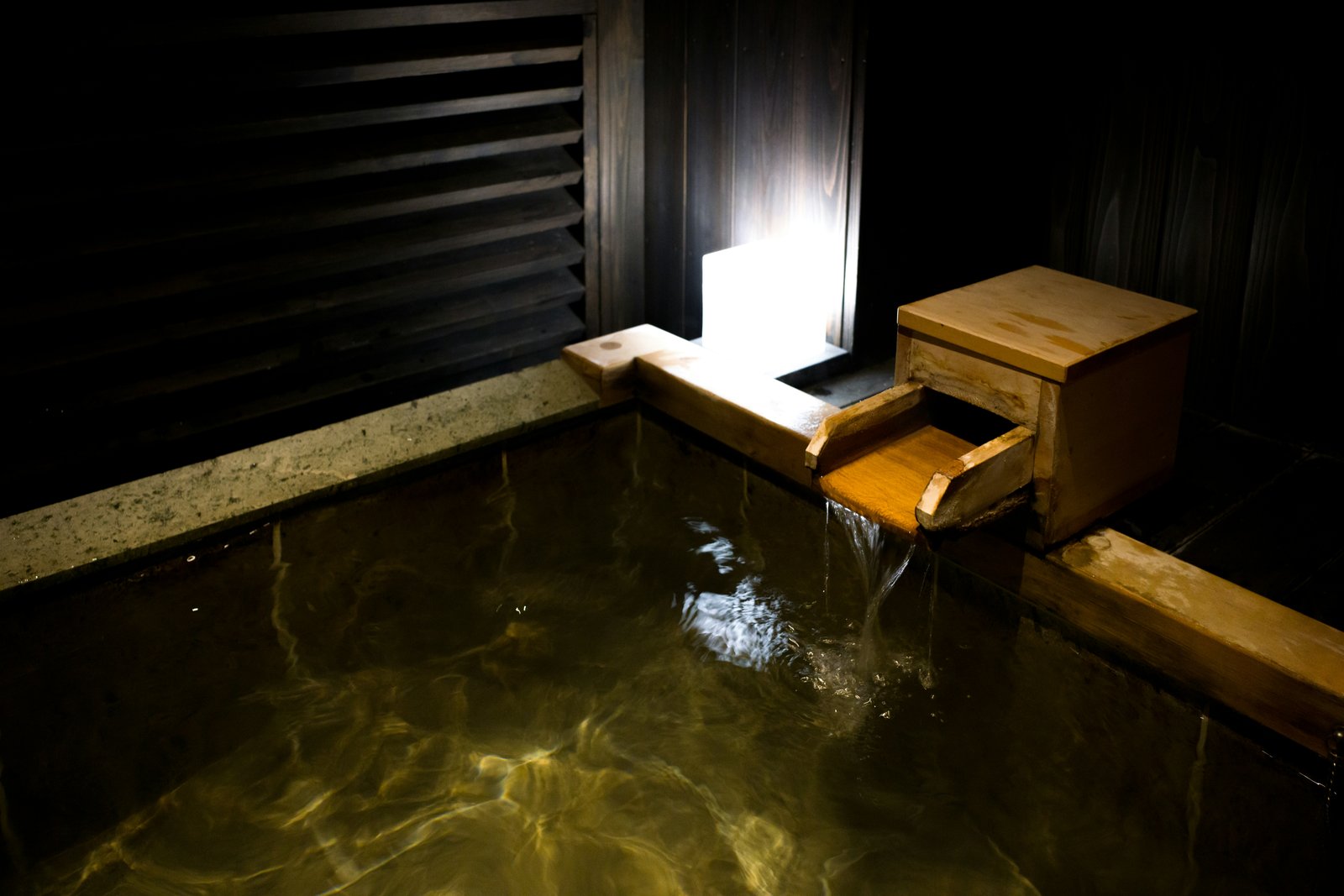
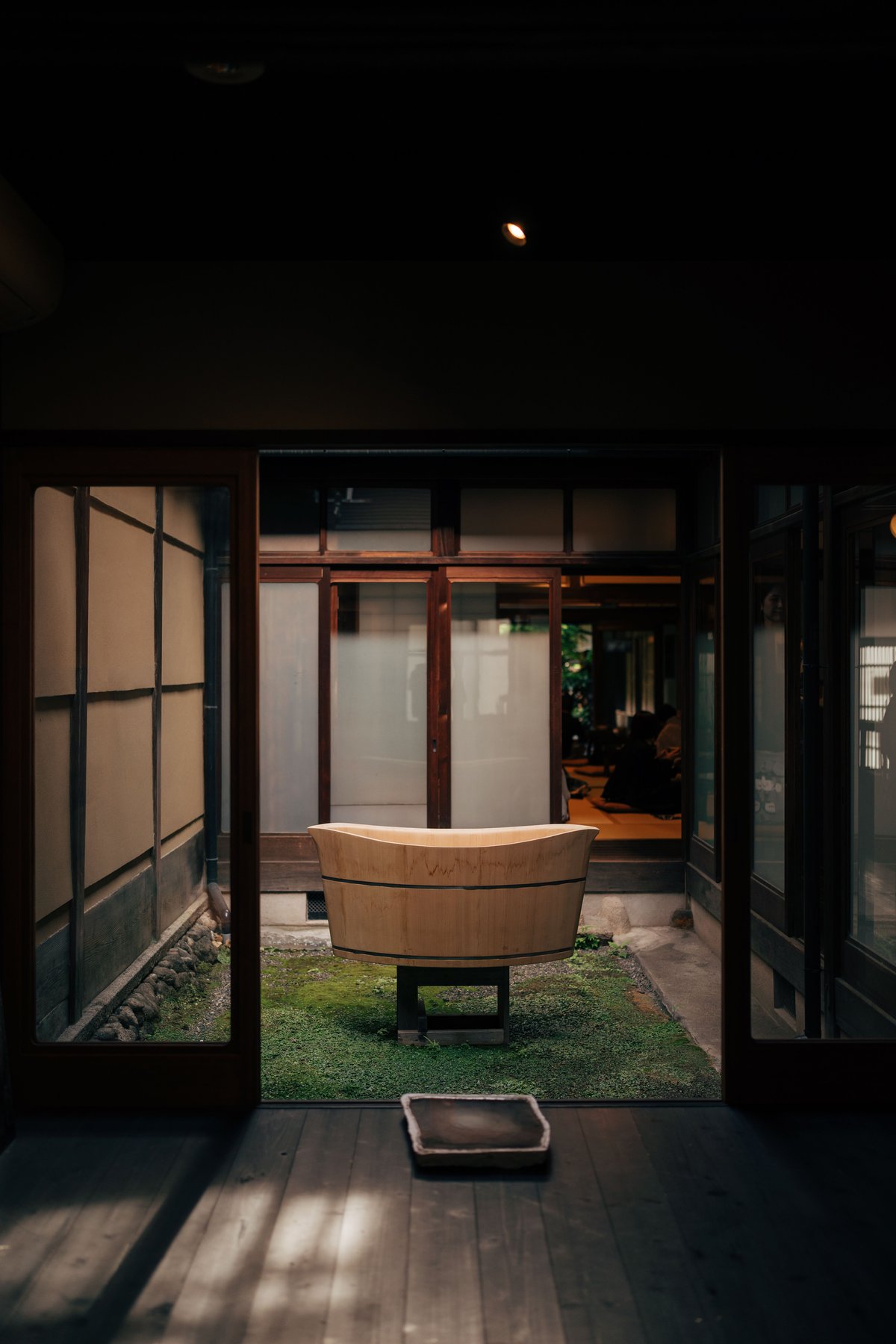
Book a private bath. Many ryokan offer private or family baths (kashikiri) you can reserve for a set time, or rooms with their own private onsen bath. This sidesteps the issue entirely and is by far the most reliable solution — and a lovely experience in its own right.
Cover small tattoos. For small tattoos, a waterproof cover patch or skin-tone bandage is sometimes accepted — but ask the establishment first, as this isn't universally allowed and won't work for large pieces.
Find tattoo-friendly onsen. A growing number of onsen explicitly welcome tattoos, and there are online guides and lists dedicated to finding them. It's worth seeking these out if you want the communal bathing experience.
Choose your destination accordingly. Some hot-spring towns and regions are known for being more tattoo-tolerant than others, so a little research before you pick where to go pays off.
Ask ahead. When booking a ryokan or planning an onsen visit, simply ask about their tattoo policy in advance so there are no surprises at the door.
What about covering up?
Cover patches work for small, isolated tattoos and are widely sold, but they're not a solution for sleeves, back pieces, or large designs. Don't rely on covering a large tattoo and hoping it goes unnoticed — if it's spotted, staff may politely but firmly ask you to leave the bathing area, which is an awkward situation for everyone and avoidable entirely with a little planning. When in doubt, the private-bath route avoids the problem completely.
Be respectful either way
If a place has a no-tattoo policy, respect it rather than trying to conceal a large tattoo and risk an uncomfortable confrontation. There are enough tattoo-friendly establishments and private-bath options that you don't need to push against the rules at a place that doesn't allow them. Approaching it with that mindset keeps the experience pleasant for you and for the establishment.
Where policies tend to be stricter or looser
As a rough pattern (never a guarantee): older, traditional public bathhouses and rural onsen towns with a mostly local clientele tend to enforce no-tattoo rules more strictly, while large resort hotels, big-city hot spring facilities, and properties that market heavily to international visitors are more often tattoo-friendly or offer private options by default. That's a generalization worth checking against the specific place, not a rule to plan around blindly — the only sure thing is asking directly.
Confirm before you go
Because tattoo policies differ by establishment and continue to evolve, treat any specific guidance as a starting point and confirm the current rules with your chosen onsen or ryokan when you book. A quick question ahead of time — "do you allow guests with tattoos, or offer a private bath?" — saves disappointment at the door and lets you plan with confidence. With that bit of homework, tattooed travelers can absolutely enjoy Japan's wonderful hot springs — and if a private bath is your plan either way, it's worth choosing your one ryokan night with that requirement in mind from the start, which Japan, Worked Out can help factor in.
FAQ
Why are tattoos an issue at Japanese onsen?
Historically, tattoos in Japan carried strong associations with organized crime (the yakuza), and as a result many onsen, public baths, swimming pools, and gyms adopted rules barring guests with visible tattoos. These rules were aimed at that historical association rather than at foreign tourists — but they often apply to everyone…
Are attitudes to tattoos in onsen changing?
Attitudes are relaxing, especially as Japan welcomes more international visitors. Many establishments — particularly in tourist-heavy areas, newer facilities, and places used to foreign guests — are more flexible than they used to be, and some have dropped tattoo restrictions entirely. But there is no single national rule: policies…
Do cover patches work for tattoos in an onsen?
Cover patches work for small, isolated tattoos and are widely sold, but they're not a solution for sleeves, back pieces, or large designs. Don't rely on covering a large tattoo and hoping it goes unnoticed — if it's spotted, staff may politely but firmly ask you to leave the bathing area, which is an awkward situation for everyone and…