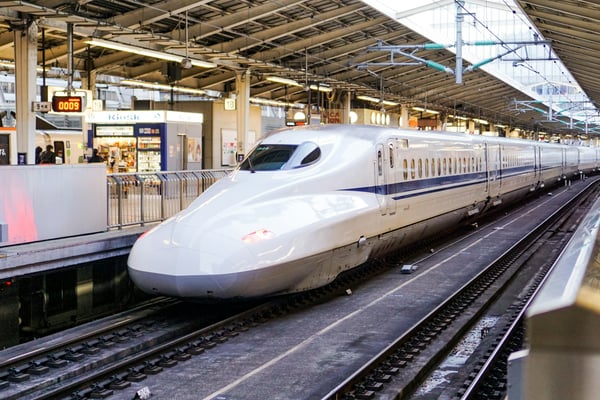
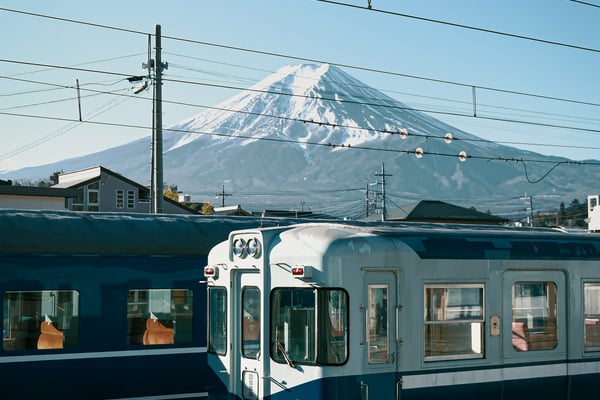
For most first-time visitors doing a Tokyo–Kyoto trip, you don't need a car — Japan's trains are faster, cheaper, and far less stressful, and city driving is more hassle than help. But for rural regions, certain countryside itineraries, or maximum flexibility off the rail network, renting a car can genuinely make sense. Here's what to know before you do.
Do you actually need one?
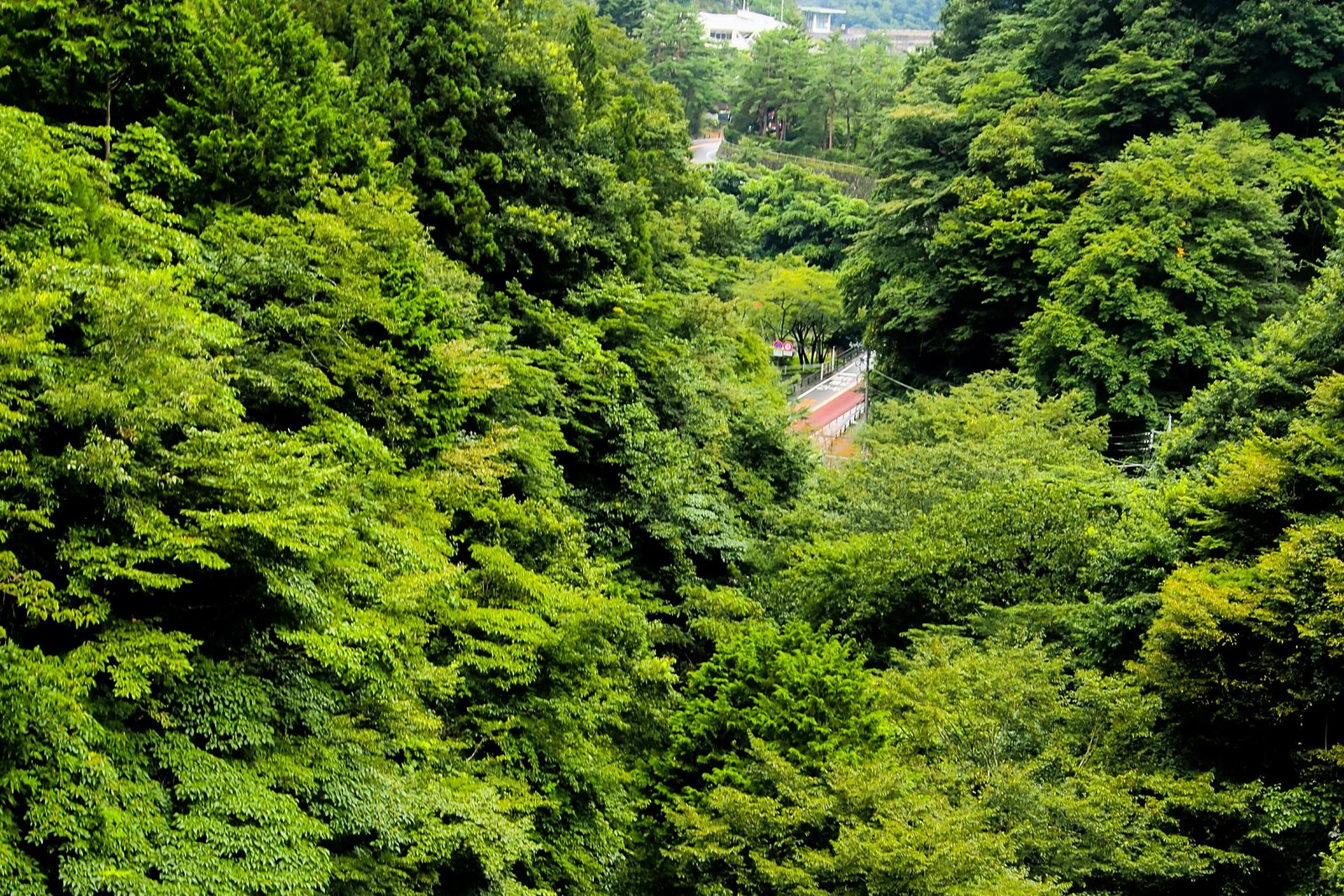
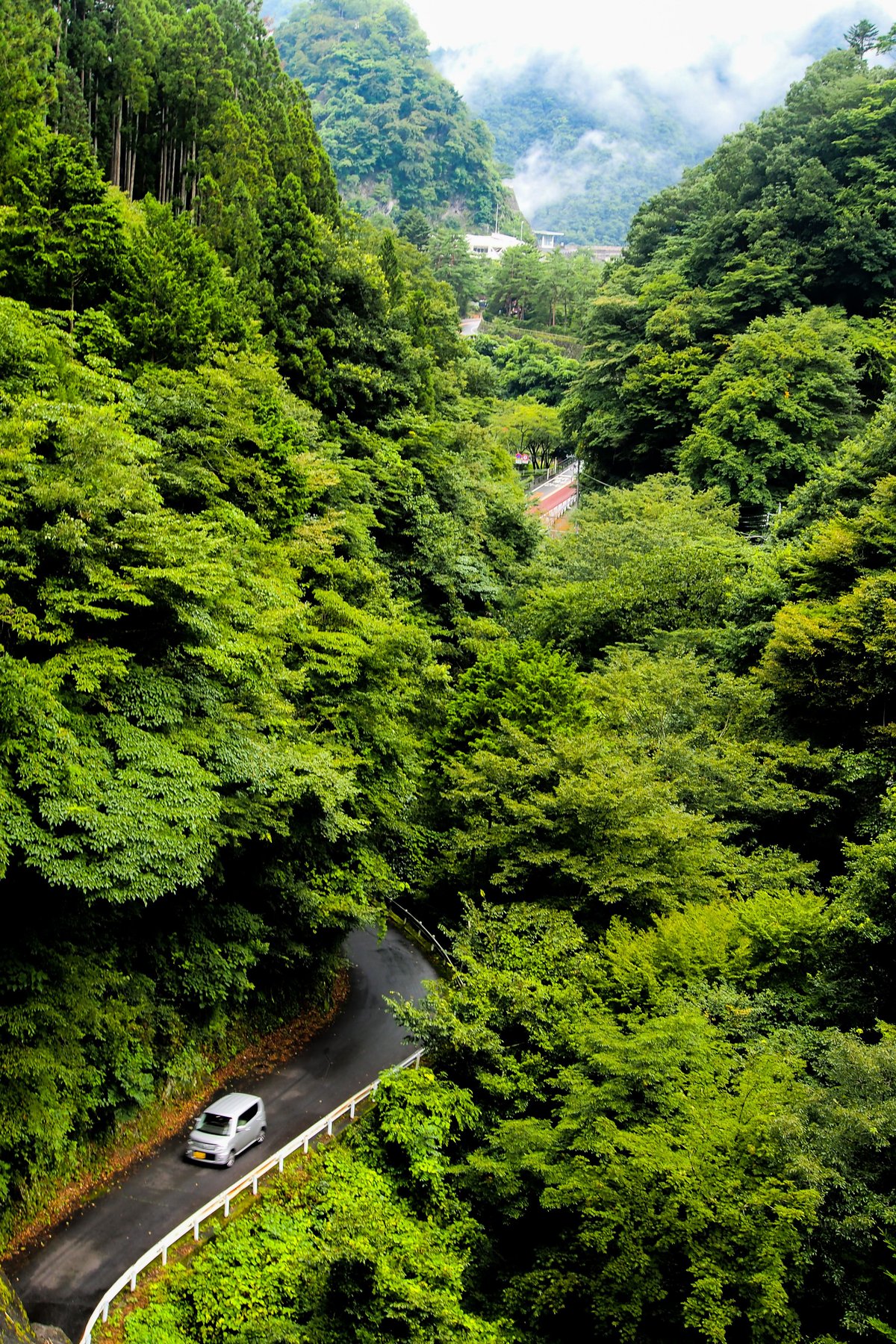
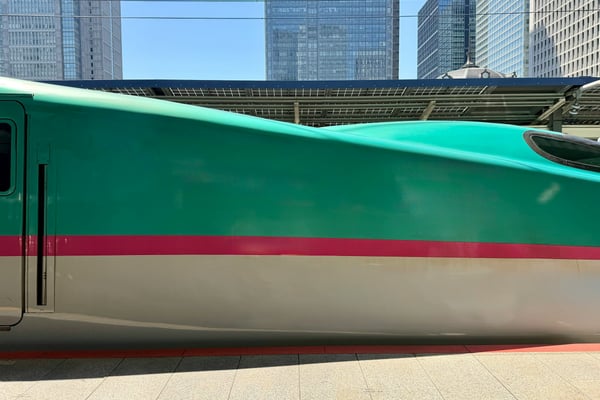
Japan is extremely rail-centric, and the train network reaches the overwhelming majority of places travelers want to go quickly and conveniently. In cities, driving is not recommended — traffic, expensive and scarce parking, narrow streets, and excellent public transit make a car a burden rather than a help. Consider renting only if you're exploring genuinely rural areas: much of rural Hokkaido, the Japanese Alps (the Kamikochi valley itself is closed to private cars, but the surrounding region rewards a rental), the Noto Peninsula, remote Kyushu coastlines, and any region where attractions sit miles apart and buses run only a handful of times a day. For the classic city-based first trip, the trains win every time — save the car for a second or third trip built specifically around the countryside.
The essential requirement: an International Driving Permit
To legally drive in Japan as a visitor, you need an International Driving Permit (IDP) to accompany your valid home driver's license — both must be carried while driving. There's a detail worth knowing precisely: Japan recognizes only IDPs issued under the 1949 Geneva Convention, not the newer 1968 Vienna Convention that many other countries' permits are based on. This is exactly what trips up travelers from several European countries, whose home IDPs simply aren't valid in Japan. Americans are covered by default, since the AAA-issued US IDP is the 1949 version. Crucially, you must obtain the IDP in your home country before you leave — through AAA in the US — since it cannot be obtained once you're in Japan, and driving without one is treated as a real offense, not a formality: fines up to roughly ¥300,000 (around $2,000), potential vehicle impoundment, and enforcement that's genuinely active, with police checking permits at routine stops. An IDP is valid for one year from its issue date, so if you're planning a trip more than a year out, get it closer to departure rather than far in advance.
Driving on the left
Japan drives on the left, with the steering wheel on the right — which takes real adjustment if you're used to driving on the right side. Take it slow at first, especially at intersections, when turning (it's easy to instinctively drift to the wrong side), and with the wipers-vs-indicators muscle memory, since the stalks are typically mirrored from a US car. Roads are generally well maintained, orderly, and signed, with many signs in English on expressways and major routes, and Japanese drivers are typically calm, patient, and courteous — noticeably less aggressive than typical US city driving, which helps ease the adjustment.
Other key rules and notes
Zero-tolerance drink-driving: Japan has extremely strict drink-driving laws — effectively, do not consume any alcohol before driving. Penalties are severe, and they can extend to passengers who knowingly let an impaired person drive, and even to anyone who supplied the alcohol.
Tolls: expressways are tolled and can add up meaningfully over a long countryside route; rentals usually offer an ETC card for automatic electronic toll payment (no stopping to pay cash), which is worth taking for any multi-day trip.
Navigation: rental cars have GPS, often with an English-language mode, and you can frequently set a destination by phone number or Japan's "map code" system rather than typing an address.
Parking: often paid, limited, and sometimes booked via coin lots or multi-level tower parking, especially in towns; factor it into your plans and budget, since it's rarely free the way it might be at a US rural attraction.
Fuel: gas stations are widely available on main routes; know whether yours is full-service or self-service (both exist), and note stations can be sparser in genuinely remote areas, so don't let the tank run too low.
Snow: in winter, mountain and northern regions need winter tires or chains — confirm this is arranged with the rental company before you go, since summer tires on a snowy mountain road are genuinely dangerous.
Renting practically
Book in advance, especially in peak seasons (cherry blossom, Golden Week, Obon, autumn foliage) and for larger vehicles or automatics, which can sell out at smaller rural counters.
Bring your home license, the IDP, and your passport to pick up the car — all three are required, and missing any one of them means no car.
Inspect the car for existing damage and understand the insurance/CDW options before driving off; basic coverage is often included, but a higher tier reduces your liability substantially for not much extra cost.
Allow time to get comfortable with left-side driving in a quiet lot or side street before tackling busier roads or an expressway on-ramp.
Consider a one-way rental if you're picking up in one city and dropping off in another — most major companies support it, typically for an extra fee that scales with the distance between locations.
Bottom line
Skip the car for a classic city-based first trip — the trains are simply better, and nothing about renting a car changes that math. But for rural exploration where rail doesn't reach, a rental unlocks places you otherwise couldn't easily see. If you go that route, get your 1949-Convention International Driving Permit before leaving home, remember to drive on the left, never drink and drive, and budget for tolls and parking. Used in the right places, a car can be a wonderful way to discover Japan's countryside at your own pace.
FAQ
Do you actually need a car in Japan?
Japan is extremely rail-centric, and the train network reaches the overwhelming majority of places travelers want to go quickly and conveniently. In cities, driving is not recommended — traffic, expensive and scarce parking, narrow streets, and excellent public transit make a car a burden rather than a help. Consider renting only if…
Do you need an International Driving Permit in Japan?
To legally drive in Japan as a visitor, you need an International Driving Permit (IDP) to accompany your valid home driver's license — both must be carried while driving. There's a detail worth knowing precisely: Japan recognizes only IDPs issued under the 1949 Geneva Convention, not the newer 1968 Vienna Convention that many other…
Which side of the road does Japan drive on?
Japan drives on the left, with the steering wheel on the right — which takes real adjustment if you're used to driving on the right side. Take it slow at first, especially at intersections, when turning (it's easy to instinctively drift to the wrong side), and with the wipers-vs-indicators muscle memory, since the stalks are typically…
Keep planning
Not sure how it all fits together?
Pick your trip length and we’ll route a real day-by-day plan.