Affiliate disclosure: this guide contains affiliate links. If you book through them we may earn a commission, at no extra cost to you.
Kyoto has well over a thousand temples and shrines — a legacy of more than a thousand years as Japan's imperial capital — far more than anyone could see in a single trip, or even several. The key to enjoying them rather than burning out is choosing a handful of genuine standouts, grouping them by area, and pacing yourself so they stay memorable instead of blurring into an endless procession of gates and halls. Here's how to prioritize for a first visit, and how to avoid the dreaded "temple fatigue."
The must-see shortlist
If you see only three, make them these — they're the most iconic, the most distinct from one another, and together they capture Kyoto's range.
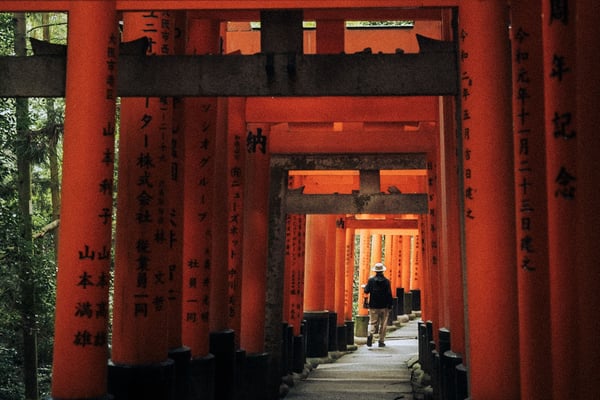
Fushimi Inari Taisha
The shrine of thousands of vermilion torii gates winding in tunnels up a wooded mountainside — iconic, free to enter, open at all hours, and unlike anything else in the world. Go early or late to avoid the densest crowds in the lower sections. Top priority, and a Shinto shrine rather than a Buddhist temple, which adds variety to a temple-heavy itinerary.
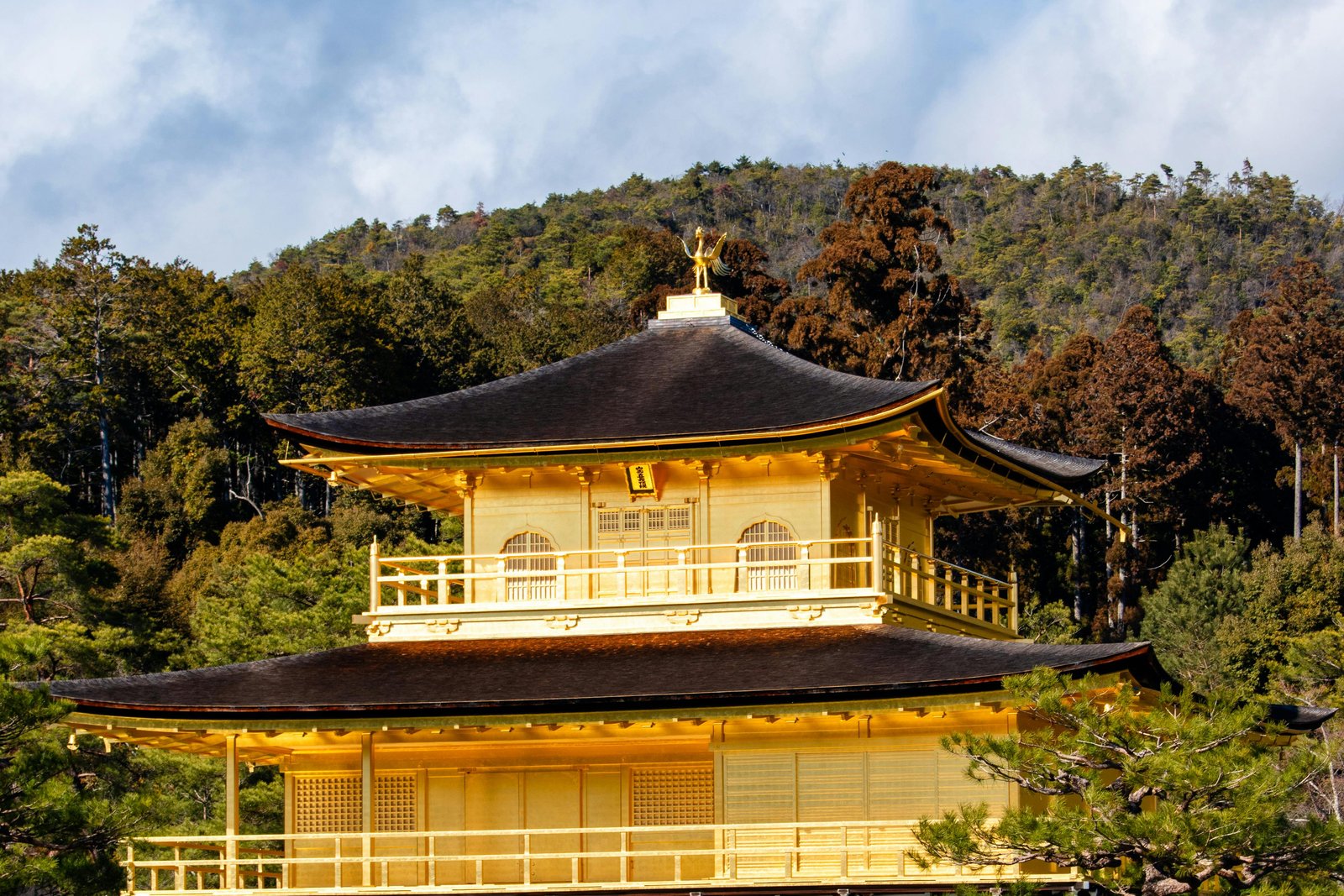
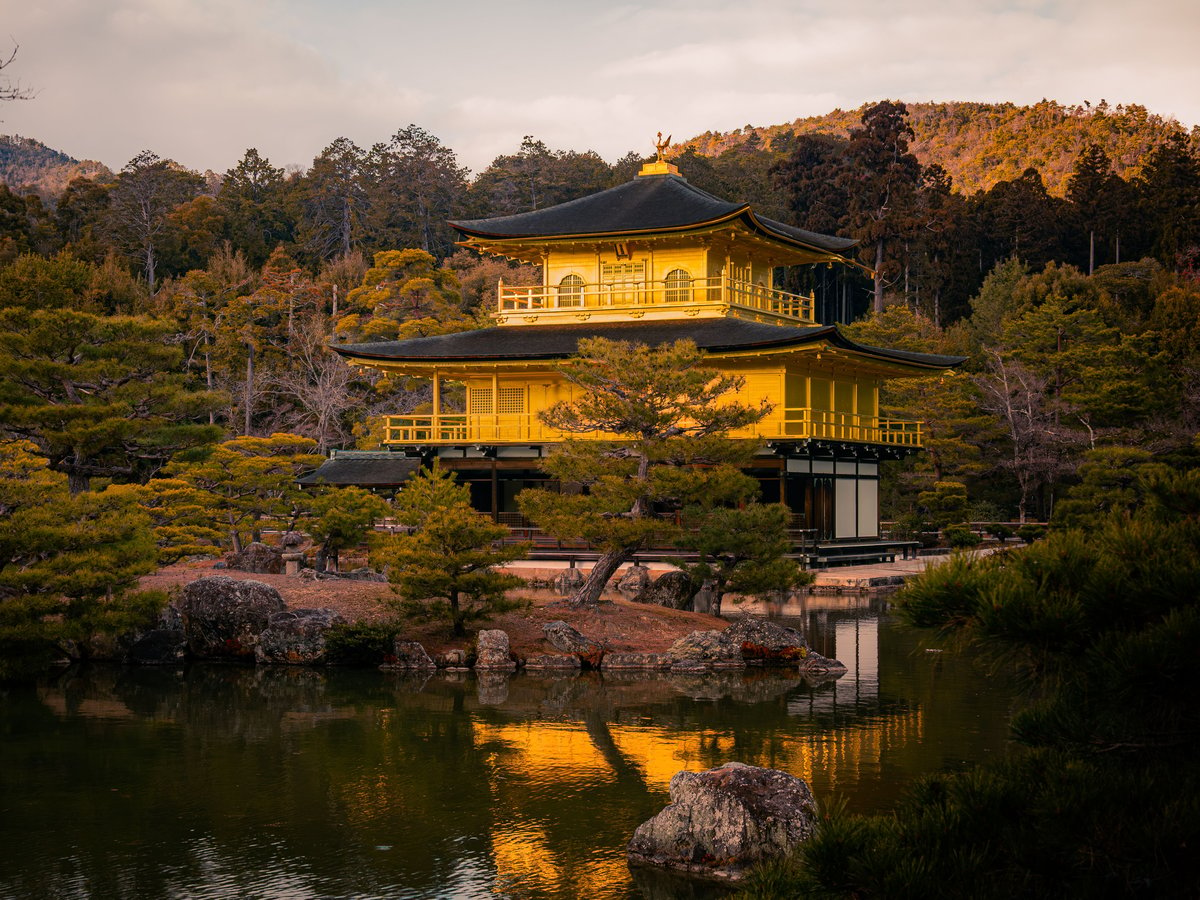
Kinkaku-ji (Golden Pavilion)
The gold-leaf-covered temple mirrored in its reflecting pond — Kyoto's most famous single image. The visit is short and one-directional, which makes it easy to combine with other northwestern sights. A first-trip essential; arrive early as it's one of the busiest spots in the city. Temples are only part of the picture, though, and Kyoto's must-do experiences also include the bamboo forest and the thousands of red torii gates.
Kiyomizu-dera
A grand wooden temple on a hillside with a famous viewing veranda built out over the slope, offering sweeping views — spectacular in cherry blossom and autumn seasons. The walk up through the preserved Higashiyama streets is half the pleasure, so budget time to wander and snack along the way.
The shortlist, and how far apart it is: Fushimi Inari · Kinkaku-ji · Kiyomizu-dera · Arashiyama. (Enable JavaScript for the interactive map.)
Strong additions if you have time
Ginkaku-ji (Silver Pavilion): an elegant temple with refined gardens and a famous "sea of silver sand," at the northern end of the scenic, canal-side Philosopher's Path.
Ryoan-ji: home to Japan's most famous Zen rock garden — fifteen stones in raked gravel, contemplative and minimalist. Pairs naturally with Kinkaku-ji nearby.
Tenryu-ji: a major Zen temple in Arashiyama, a UNESCO site with a celebrated landscape garden, right beside the bamboo grove.
Nanzen-ji: a large, peaceful temple complex at the base of the eastern hills, with a massive wooden gate and a striking, photogenic brick aqueduct running through the grounds.
Sanjusangen-do: a long hall housing 1,001 statues of the goddess Kannon — one central seated statue flanked by 500 human-sized standing statues on either side, arranged in tight rows across five tiers. The hall itself is Japan's longest wooden structure at 120 meters, and its name literally means "33 intervals," referring to the spacing of its support columns. A genuinely awe-inspiring sight, and a different kind of experience from the garden temples.
Nijo Castle: not a temple, but its ornate shogun palace and "nightingale" floors (which chirp underfoot to warn of intruders) make a great change of pace.
How to avoid temple fatigue
Seeing too many temples in a row is the classic Kyoto mistake — they start to blur, and the magic fades. A few strategies keep them special:
Group by area.Fushimi Inari and the Kiyomizu/Higashiyama sights sit on the east; Kinkaku-ji and Ryoan-ji in the northwest; Tenryu-ji in Arashiyama to the west. Doing one zone per day cuts travel and fatigue.
Limit yourself to two or three major temples a day, not six.
Mix in non-temple experiences — Nishiki Market, the bamboo grove, old streets, a tea ceremony, a riverside walk, matcha sweets — so the day has variety and rhythm.
Choose temples that differ from one another (a shrine, a golden pavilion, a rock garden, a hall of statues) rather than several similar ones.
Practical notes
Many temples charge a small entrance fee — Kinkaku-ji and Kiyomizu-dera are both ¥500 for adults, a typical range across the shortlist — for the main hall or garden; bring cash, since gates rarely take cards and there's no advance-reservation system for standard admission.
Opening hours are often limited, with many closing by late afternoon — plan your route so you reach gated sights before they shut.
Dress respectfully and follow posted etiquette, especially in active places of worship; remove shoes where indicated.
Start early at the most famous sites to enjoy them before the crowds and tour groups arrive.
Shrines (Shinto) and temples (Buddhist) have slightly different customs — notably, you clap when praying at shrines but not at temples.
The bottom line
For a first visit, prioritize Fushimi Inari, Kinkaku-ji, and Kiyomizu-dera, then add one or two more — Ryoan-ji, Tenryu-ji, Nanzen-ji, or Sanjusangen-do — based on your route and interests. Group them geographically, cap yourself at a few a day, and weave in markets and old streets between them. Done that way, Kyoto's temples become the highlight of your trip rather than a blur of one more gate.
Which Kyoto temples should you see if you only see three?
If you see only three, make them these — they're the most iconic, the most distinct from one another, and together they capture Kyoto's range.
How do you avoid temple fatigue in Kyoto?
Seeing too many temples in a row is the classic Kyoto mistake — they start to blur, and the magic fades. A few strategies keep them special:
Group by area. Fushimi Inari and the Kiyomizu/Higashiyama sights sit on the east; Kinkaku-ji and Ryoan-ji in the northwest; Tenryu-ji in Arashiyama to the west. Doing one zone per day cuts travel and fatigue.
Limit yourself to two or three major temples a day, not six.
Mix in non-temple experiences — Nishiki Market, the bamboo grove, old streets, a tea ceremony, a riverside walk, matcha sweets — so the day has variety and rhythm.
Choose temples that differ from one another (a shrine, a golden pavilion, a rock garden, a hall of statues) rather than several similar ones.
What is the best Kyoto temple plan for a first visit?
For a first visit, prioritize Fushimi Inari, Kinkaku-ji, and Kiyomizu-dera, then add one or two more — Ryoan-ji, Tenryu-ji, Nanzen-ji, or Sanjusangen-do — based on your route and interests. Group them geographically, cap yourself at a few a day, and weave in markets and old streets between them. Done that way, Kyoto's temples become…
Keep planning
Not sure how it all fits together?
Pick your trip length and we’ll route a real day-by-day plan.