Japan's food scene is incredible but can feel hard to access for first-timers — language barriers, tiny specialist shops with no English menu, unfamiliar ordering customs, and simply not knowing where to start among thousands of options. A guided food tour can dissolve all of that, and for many travelers it's one of the best investments of the trip. Here's what to expect, the types available, and whether one is worth it for you.
Why a food tour can be worth it
Access: guides take you to local spots you'd likely never find or feel confident entering alone — tiny izakaya behind unmarked doors, counter-only specialists, hidden gems off the tourist track.
Language help: all the ordering and interaction is handled for you, removing the intimidation factor entirely and letting you eat things you couldn't have ordered solo.
Learning: you'll understand what you're eating, the culture and history behind it, and the etiquette — knowledge you carry through the rest of your trip, making every later meal better.
Variety: tasting many small dishes across several venues in one outing is a great way to discover your favorites early.
Social and low-stress: a fun, friendly way to enjoy the food scene, especially for solo travelers or those nervous about navigating alone.
Types of food tours
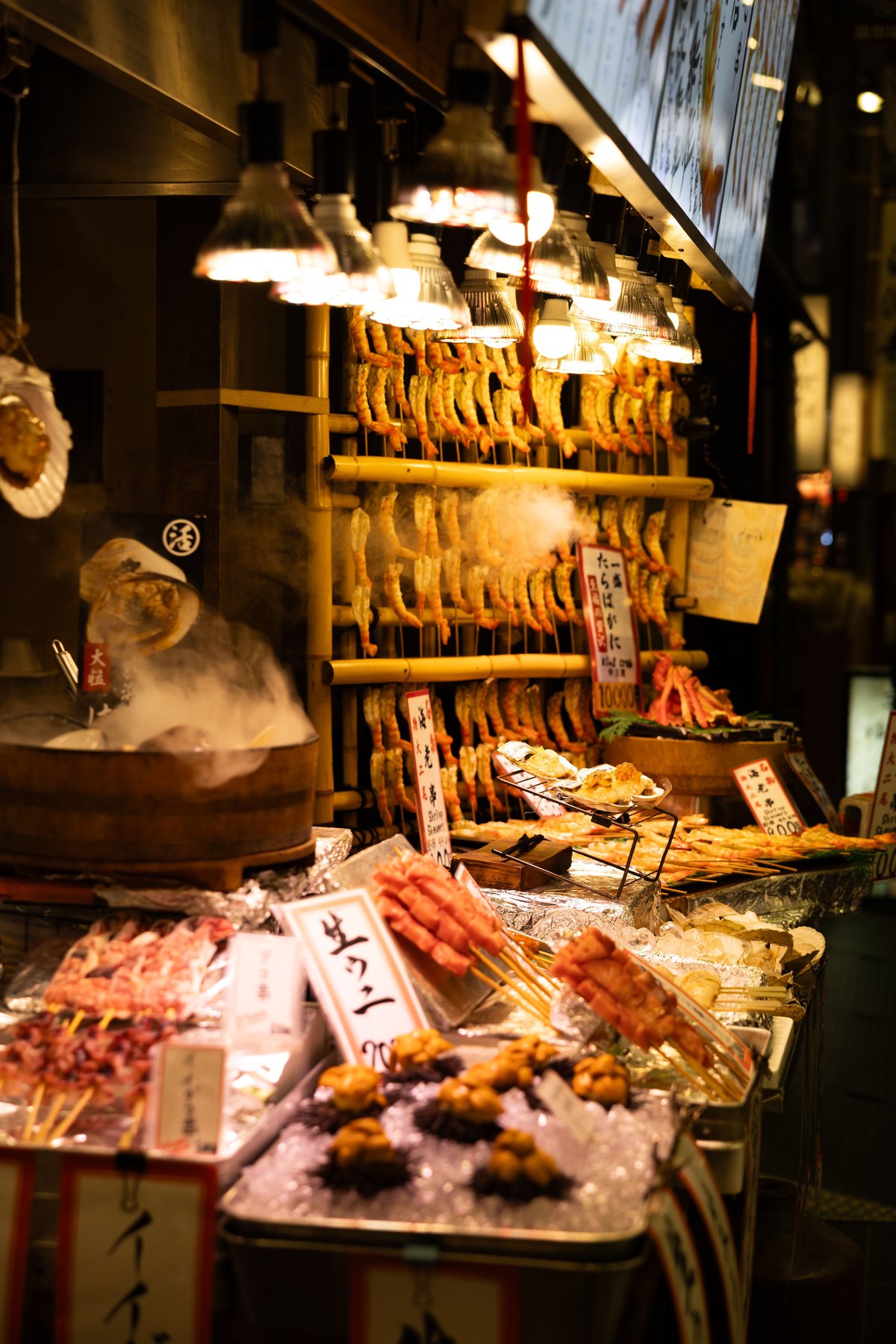
Market tours: exploring places like the Tsukiji Outer Market (Tokyo) or Nishiki Market (Kyoto) with guided tastings and explanations of unfamiliar ingredients.
Izakaya / bar-hopping tours: an evening sampling small plates and drinks across several pubs — a brilliant way to experience nightlife dining you might not navigate alone.
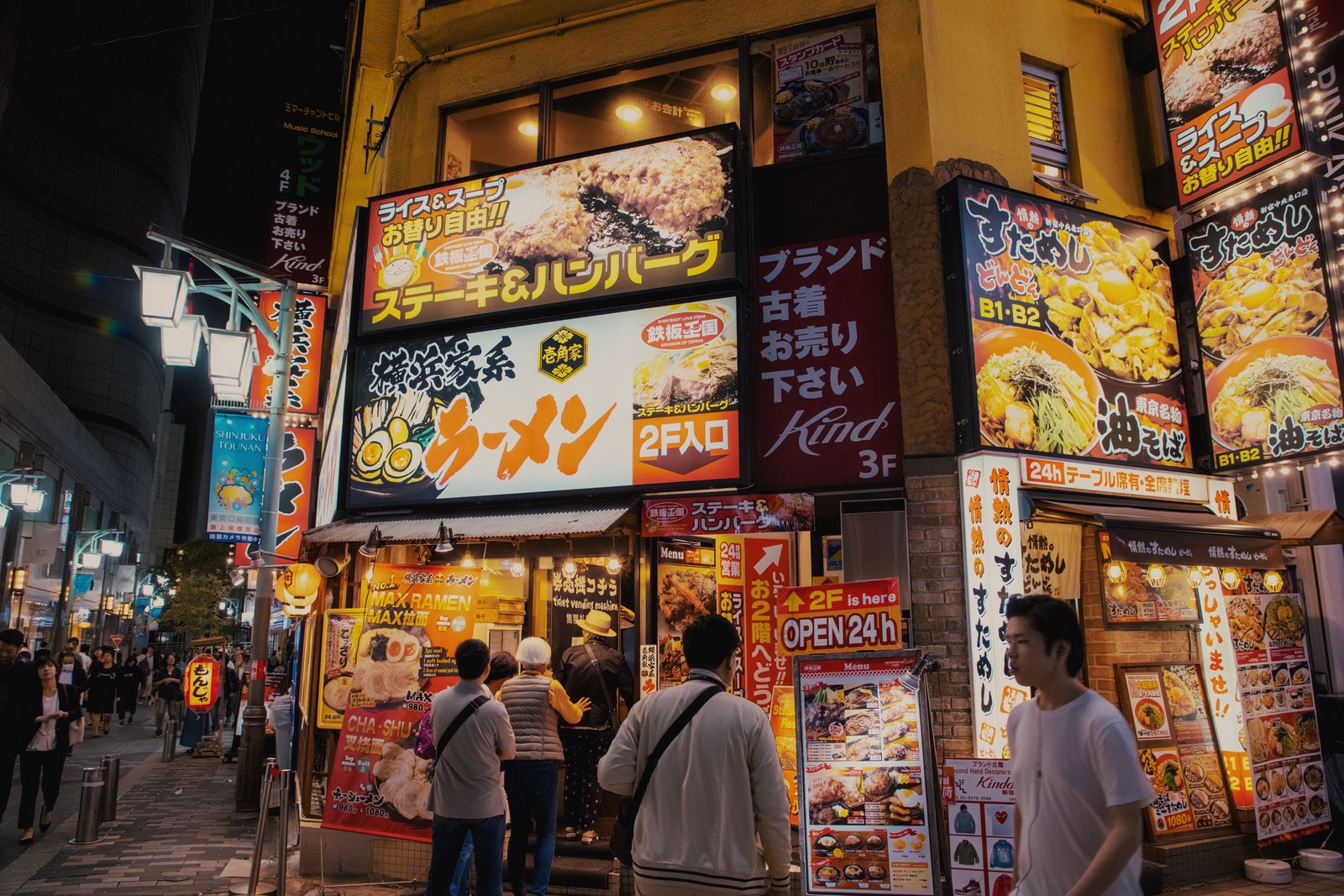
Street-food and neighborhood tours: grazing through districts like Osaka's Dotonbori or Tokyo's backstreets.
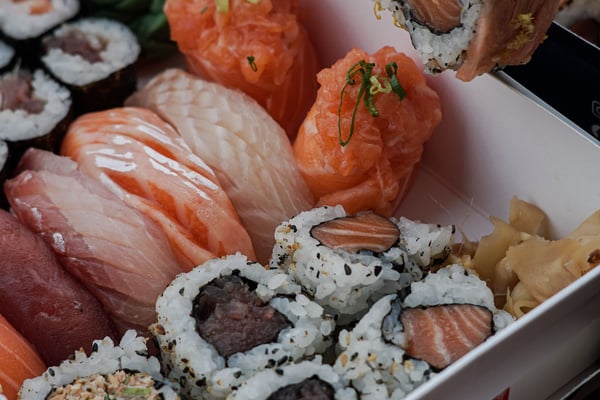
Themed tours: focused deep dives on ramen, sushi, sake, wagyu, or sweets.
Cooking classes: hands-on experiences making sushi, ramen, gyoza, or home-style dishes — a fun take-home skill, sometimes including a market visit first.
When it's most worth it
A food tour is especially valuable early in your trip, when it builds confidence and teaches you the ropes for all the independent meals to come. It shines if you're a solo traveler, if you find the language barrier daunting, if you have limited time and want a curated highlight reel, or if you simply love food and want a deep, knowledgeable dive. Evening izakaya tours in particular unlock a side of the food scene that's genuinely hard to access on your own.
When you might skip it
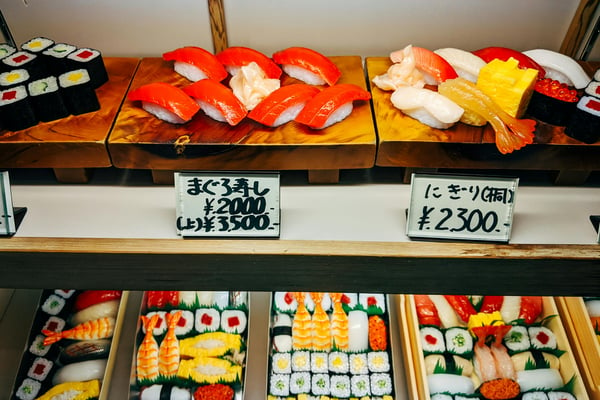
If you're an adventurous, independent eater who relishes discovering places yourself, or you're on a tight budget (tours cost considerably more than eating solo), you may prefer to explore on your own — Japan's photo menus, ticket machines, plastic food models, and excellent convenience stores make independent eating genuinely easy. A popular middle path — and arguably the best of both worlds — is to do one tour early to learn and gain confidence, then explore solo for the rest of the trip, applying what you picked up without paying a guide's premium for every subsequent meal.
What a tour actually costs versus eating solo
A guided food tour runs well above the cost of the meals themselves, since you're paying for the guide's access, curation, and language bridging on top of the food — that premium is real and worth weighing honestly against your budget rather than assuming it's a minor add-on. Where it earns the price back, for most travelers, isn't the food quality (independent eating in Japan is already excellent) but the places and experiences you simply couldn't book or find on your own, especially the small, unmarked spots that don't take walk-in foreigners without an introduction. You can browse and compare Japan food tours and cooking classes for your dates before you decide. (This article contains affiliate links — if you book through them we earn a small commission at no extra cost to you.)
Booking tips
Book popular tours in advance, especially in peak seasons and for small-group experiences.
Check exactly what's included — number of tastings, whether drinks are covered, group size, and duration.
Read recent reviews and choose well-rated, established operators.
Note any dietary restrictions when booking, and confirm they can be accommodated.
Come hungry — tours involve a lot of eating across multiple stops, so don't fill up beforehand, and pace yourself early on so you have room for the later stops.
Bottom line
For first-timers, a food tour early in the trip can be a fantastic investment — unlocking access to places you'd never find, easing the language barrier, and teaching you to eat confidently and knowledgeably for the rest of your stay. If you love food, value your limited time, or feel unsure where to begin, it's well worth considering — even if you go fully independent for the rest of the trip afterward.
FAQ
When is a food tour in Japan most worth it?
A food tour is especially valuable early in your trip, when it builds confidence and teaches you the ropes for all the independent meals to come. It shines if you're a solo traveler, if you find the language barrier daunting, if you have limited time and want a curated highlight reel, or if you simply love food and want a deep,…
When should you skip a food tour?
If you're an adventurous, independent eater who relishes discovering places yourself, or you're on a tight budget (tours cost considerably more than eating solo), you may prefer to explore on your own — Japan's photo menus, ticket machines, plastic food models, and excellent convenience stores make independent eating genuinely easy. A…
What does a food tour cost compared with eating solo?
A guided food tour runs well above the cost of the meals themselves, since you're paying for the guide's access, curation, and language bridging on top of the food — that premium is real and worth weighing honestly against your budget rather than assuming it's a minor add-on. Where it earns the price back, for most travelers, isn't…
Keep planning
Not sure how it all fits together?
Pick your trip length and we’ll route a real day-by-day plan.