Tokyo rewards almost any interest — ancient temples, neon nightlife, world-class food, and some of the most inventive art and technology experiences on earth. The challenge on a first visit isn't finding things to do; it's choosing among them. This guide walks through the experiences worth building your days around, roughly grouped so you can cluster them by area and avoid crisscrossing the city. With a Suica or Pasmo IC card and the JR Yamanote loop line as your backbone, all of it is easy to reach.
Senso-ji and Asakusa
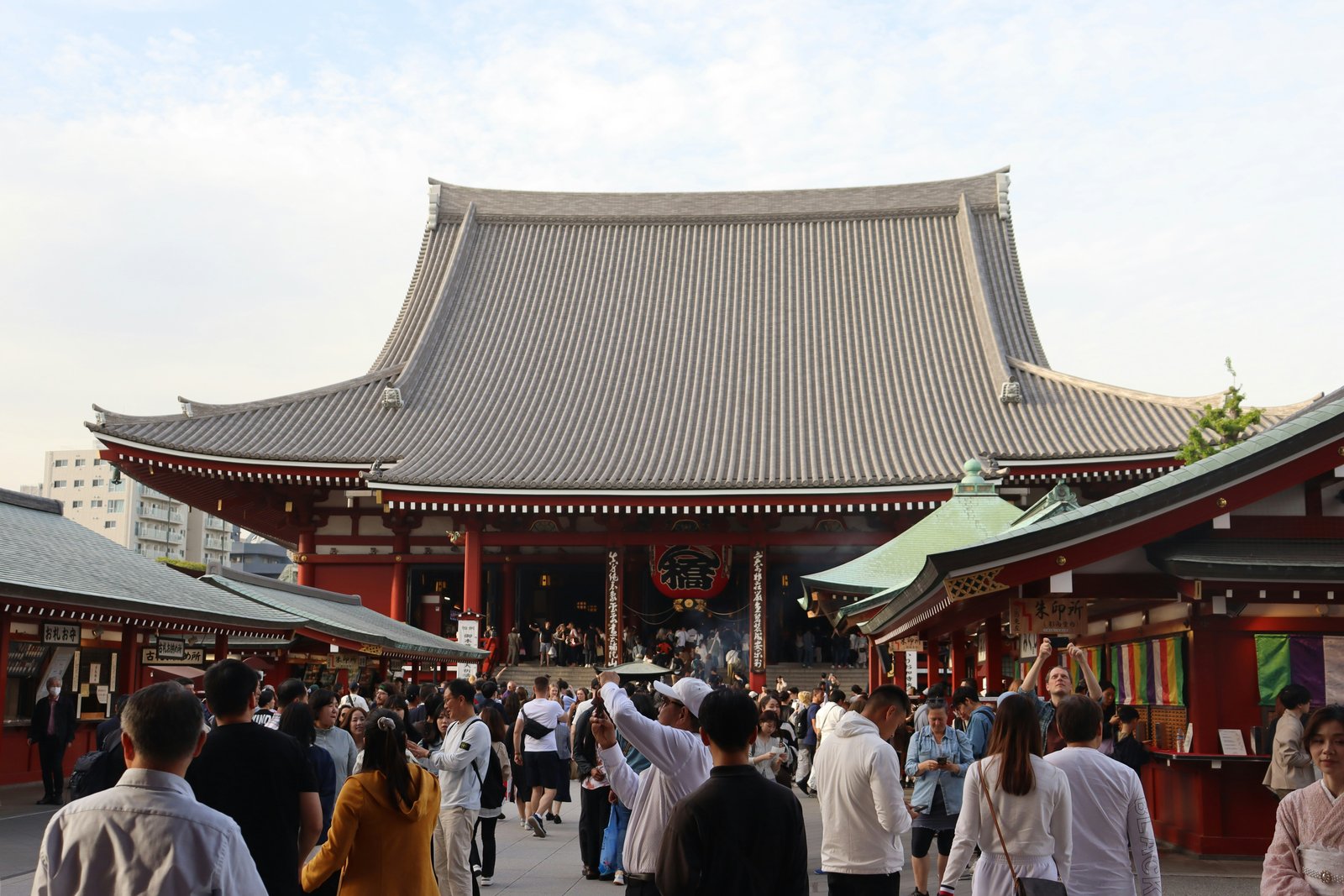
Start with Senso-ji, Tokyo's oldest and most famous temple, in the traditional Asakusa district. You approach through the Kaminarimon (Thunder Gate) with its enormous red lantern, then walk the Nakamise shopping street — a long lane of stalls selling rice crackers, freshly made sweets, fans, and souvenirs — before reaching the grand temple gate and main hall. Go early in the morning to beat the crowds and feel the calm, or come in the evening when the temple and gates are beautifully illuminated and far quieter. Asakusa around the temple is full of old-Tokyo character: craft shops, traditional eateries, rickshaw rides, and kimono rental if you want to stroll the historic streets in style. It's the single best place to feel the city's past.
The headline sights, and how far apart they are: Senso-ji · Tokyo Skytree · Shibuya Crossing · Meiji Jingu · teamLab. (Enable JavaScript for the interactive map.)
Shibuya Crossing
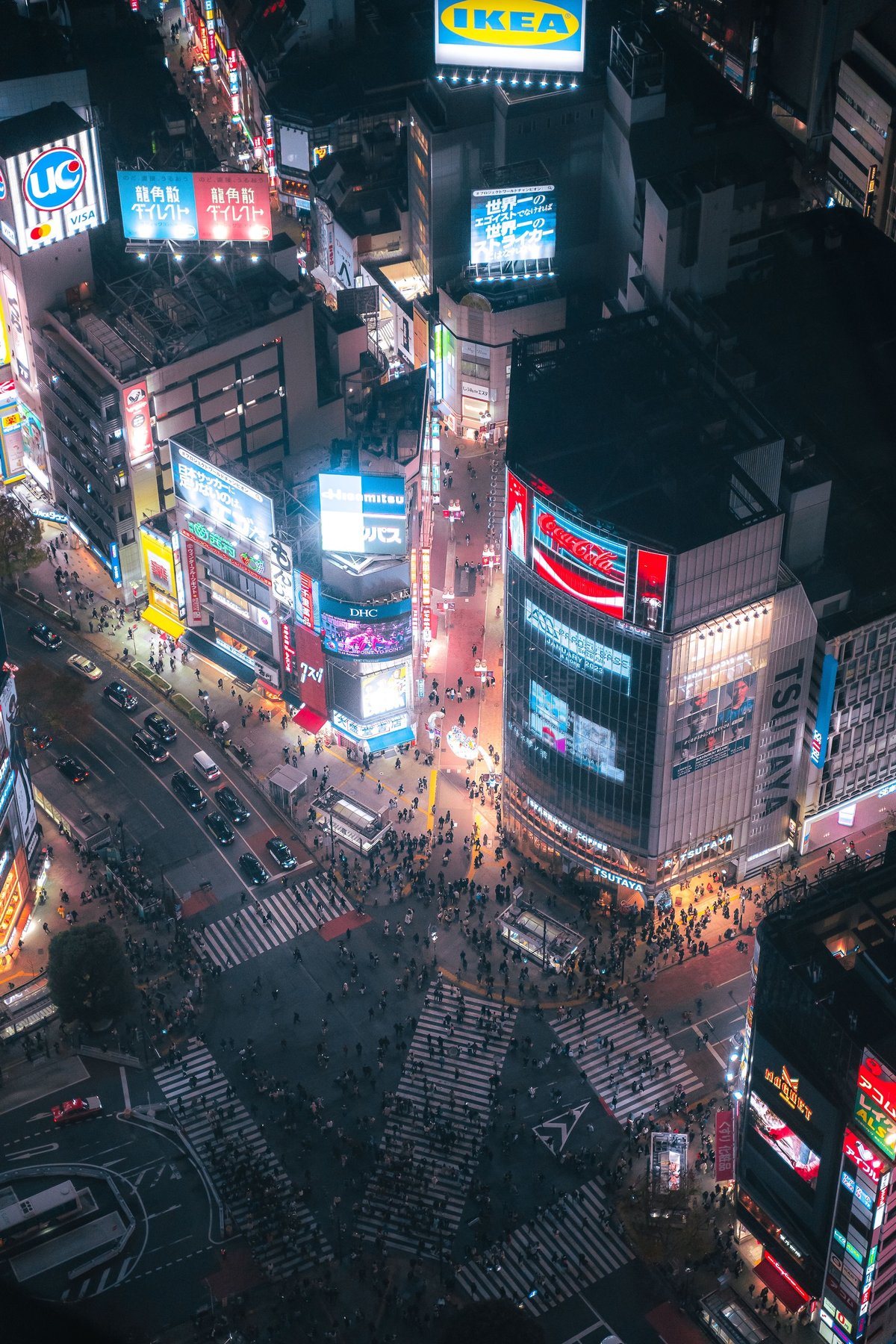
The Shibuya Crossing is the iconic Tokyo scramble — hundreds of people surging across in every direction the moment the lights change, neon and giant screens towering overhead. Walk it once for the sheer experience, then watch the choreography from above at one of the surrounding cafes or viewpoints for the full effect. The whole Shibuya area around it is prime territory for shopping, people-watching, and nightlife, and the nearby Hachiko statue — honoring Japan's most famous loyal dog — is a classic meeting point and photo stop. Shibuya is youthful, fast, and quintessentially modern Tokyo.
teamLab digital art
One of Tokyo's most extraordinary experiences is teamLab, an immersive digital art museum where entire rooms of light, color, and projection respond to your movement and presence. You wander through mirrored halls, fields of hanging lamps, and installations that shift as you touch or move near them — it's playful, beautiful, and unlike anything else you'll do in Japan, beloved by couples, families, and solo travelers alike. Tickets are timed and regularly sell out, so book your slot online well ahead, and wear comfortable clothes since some installations involve shallow water or mirrored floors. Give yourself a couple of hours to take it in fully.
Meiji Shrine and Harajuku
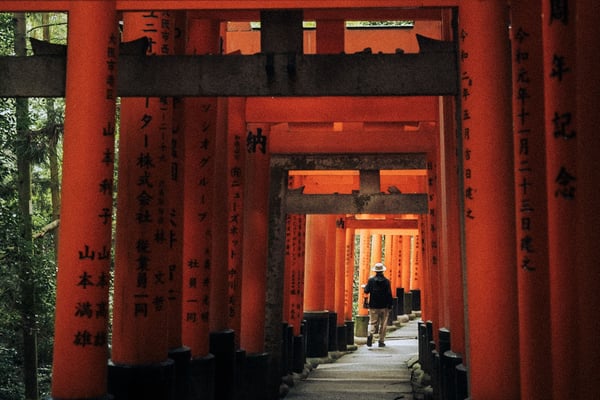
For a complete change of pace, Meiji Shrine sits in a tranquil forest right beside the buzz of Harajuku. The wooded gravel approach beneath towering trees and grand wooden torii gates is a meditative experience, and the understated shrine buildings offer a glimpse of Shinto custom — you may even catch a traditional wedding procession. Pair it with neighboring Harajuku, the center of Tokyo's youth and street fashion: the famously colorful, crowded Takeshita Street and the more upscale, tree-lined Omotesando boulevard nearby. The contrast — deep forest calm a few minutes from frenetic teen fashion — captures Tokyo's range in a single area.
Tokyo Skytree and the views
For the view, Tokyo Skytree is one of the tallest towers in the world, with observation decks that lay the endless cityscape out beneath you — and on clear days, Mt Fuji floating on the horizon. Go near sunset to catch the city in daylight and then lit up after dark. At its base are shopping and an aquarium, making it an easy add-on to an Asakusa visit just across the river. If you'd rather not pay for a deck, some government and public buildings around the city offer free observation floors with excellent views.
Eat your way through the city
Tokyo is one of the world's great food cities, from Michelin-starred counters to humble noodle bars. Wander the Tsukiji Outer Market in the morning for fresh seafood, sushi, and street snacks; duck into an izakaya (Japanese pub) in the evening for small plates and drinks; and slurp a bowl at a ramen shop — chains like Ichiran make solo ramen approachable and fun. Explore a department store's basement food hall (depachika) for gorgeous takeaway and sweets. Remember there's no tipping anywhere, and it's polite not to eat while walking.
Neighborhoods worth a wander
Beyond the headline sights, Tokyo's neighborhoods each have a distinct personality worth an afternoon:
Akihabara — the electronics-and-anime district, a sensory overload of gaming, gadgets, and pop culture.
Ginza — upscale shopping, refined dining, and elegant department stores.
Shinjuku — a transit and nightlife hub, home to the lantern-lit alleys of Omoide Yokocho and the lovely Shinjuku Gyoen park.
Ueno — a large park with museums and a zoo, great for a relaxed cultural day.
Odaiba — a waterfront entertainment area on Tokyo Bay with shopping and views.
How to plan your days
The key to enjoying Tokyo rather than exhausting yourself is to group sights by area and tackle one zone per day — Asakusa and Skytree together on the east side, Shibuya/Harajuku/Shinjuku on the west, and so on. Mix one big-ticket sight with unstructured neighborhood wandering each day, start early at the most popular spots, and book timed-entry experiences like teamLab in advance. Two to three days covers the essentials; add a day trip to Hakone or Nikko if you have time. Get your IC card the moment you land, and the whole city opens up. To turn that list into a plan, a three-day Tokyo itinerary sequences the iconic sights and neighborhoods day by day without rushing.
Booking experiences
Some of the best Tokyo experiences — guided food tours, teamLab tickets, sumo or cultural experiences, and day excursions — are worth reserving in advance, especially in cherry blossom and autumn seasons when demand peaks. Booking ahead locks in your spot and saves time on the ground. With a little planning, Tokyo goes from overwhelming to exhilarating — exactly the start a first trip to Japan deserves.
FAQ
Where should you start sightseeing in Tokyo?
Start with Senso-ji, Tokyo's oldest and most famous temple, in the traditional Asakusa district. You approach through the Kaminarimon (Thunder Gate) with its enormous red lantern, then walk the Nakamise shopping street — a long lane of stalls selling rice crackers, freshly made sweets, fans, and souvenirs — before reaching the grand…
What is the Shibuya Crossing?
The Shibuya Crossing is the iconic Tokyo scramble — hundreds of people surging across in every direction the moment the lights change, neon and giant screens towering overhead. Walk it once for the sheer experience, then watch the choreography from above at one of the surrounding cafes or viewpoints for the full effect. The whole…
What is teamLab?
One of Tokyo's most extraordinary experiences is teamLab, an immersive digital art museum where entire rooms of light, color, and projection respond to your movement and presence. You wander through mirrored halls, fields of hanging lamps, and installations that shift as you touch or move near them — it's playful, beautiful, and…
Keep planning
Not sure how it all fits together?
Pick your trip length and we’ll route a real day-by-day plan.