Affiliate disclosure: this guide contains affiliate links. If you book through them we may earn a commission, at no extra cost to you.
Tokyo is genuinely one of the world's great cities — vast, fast, endlessly varied, and far easier to navigate than its size suggests. For a first-time visitor it can genuinely feel overwhelming at first glance, so this guide gives you the orientation that ties it all together: what Tokyo actually is as a city, how to move around it, what to prioritize, where to stay, and how to spend your days. Get these basics down early and Tokyo goes from intimidating to exhilarating within a single day.
Getting your bearings
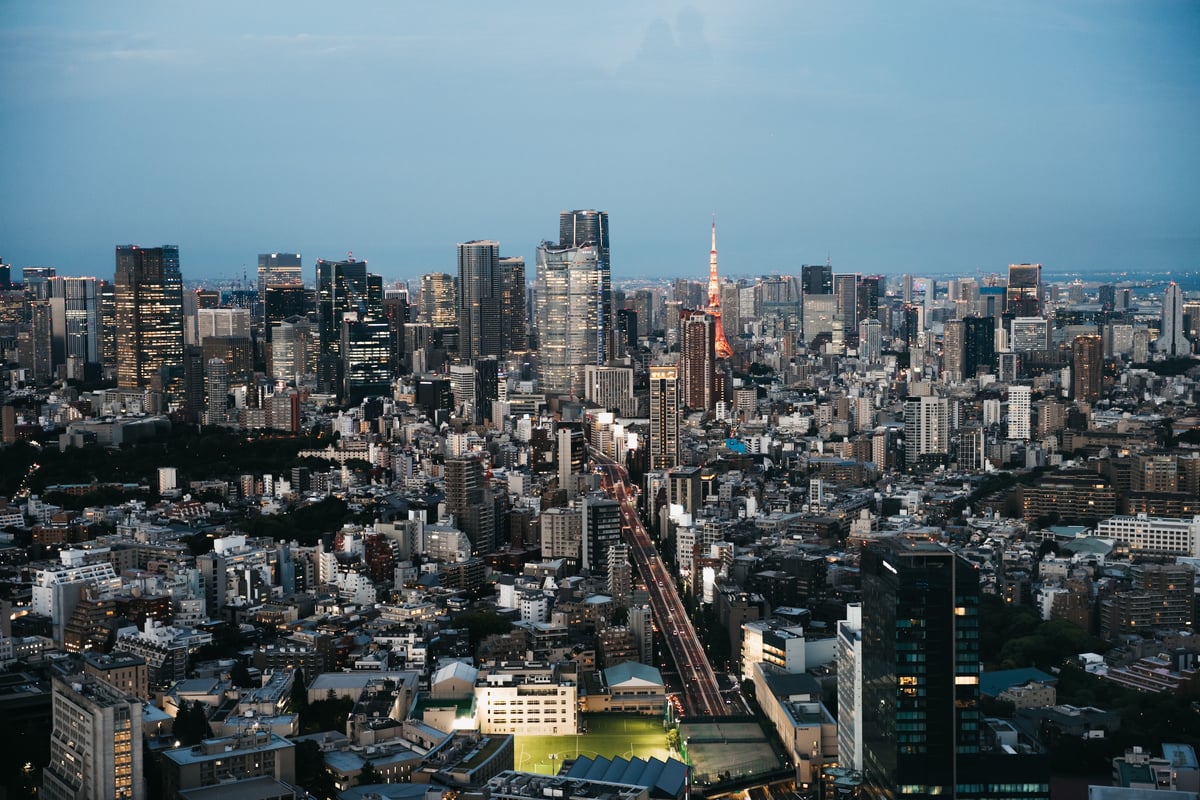
Tokyo is best understood as a collection of distinct districts strung along and inside the JR Yamanote loop line — 30 stations over a 34.5km circuit that takes about an hour to ride end to end — the single train route that connects most of the areas you'll want to visit. Learn the loop and the city clicks into place: Shinjuku and Shibuya on the west side, Tokyo Station and Ginza in the east-center, Ueno and Asakusa to the northeast. The Tokyo Metro subway fills in everything inside and around the loop. Get a Suica or Pasmo IC card the moment you arrive — tap in and out, no fare math — and the trains become effortless. A mapping app handles routing, platforms, and which of the many station exits to use.
The districts a first trip actually uses: Shibuya Crossing · Meiji Jingu · Senso-ji · Tokyo Skytree. (Enable JavaScript for the interactive map.)
What to see
The essentials for a first trip:
Senso-ji — the historic temple in Asakusa, entered via the Kaminarimon gate and Nakamise street.
Shibuya Crossing — the famous scramble intersection, modern Tokyo in motion.
teamLab — the immersive digital art museum (book timed tickets ahead).
Meiji Shrine — a serene forest sanctuary beside Harajuku.
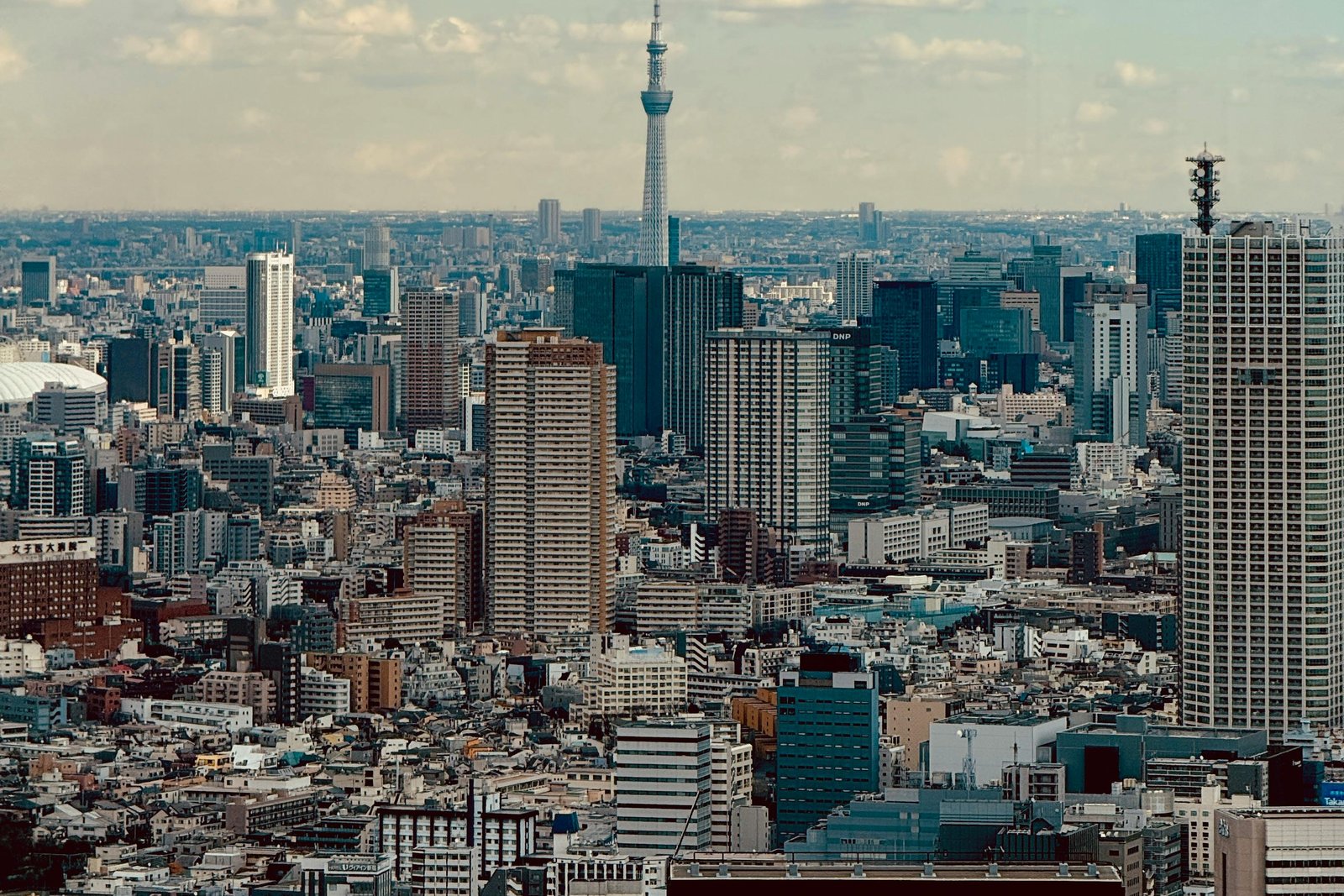
Tokyo Skytree — sweeping views from one of the world's tallest towers.
Around these, each neighborhood has its own character worth wandering — youthful Harajuku, electric Akihabara, upscale Ginza, parkland Ueno, bayfront Odaiba.
Where to stay
Base yourself on or near the Yamanote loop so trains reach everything easily. Shinjuku is the do-everything all-rounder — a major transit hub with dining, nightlife, shopping, and a great park. Shibuya is youthful and central to the action. Asakusa offers traditional charm and often better value on the eastern side. Ginza/Tokyo Station suit travelers who want polish and easy Shinkansen access. Any of these keeps the whole city within an easy ride, since the loop line and subway network are that comprehensive; pick the vibe that fits you rather than agonizing over the "perfect" base.
Give Tokyo at least two to three days on a first trip — enough for the headline sights, a neighborhood or two to explore in real depth rather than a rushed pass-through, and ideally a day trip to somewhere like Hakone or Nikko. You could easily spend a week here and not run out of things to do, but two or three days covers the essentials before you move on to Kyoto. If your schedule allows a buffer day at the start, it helps shake off the jet lag from the long flight.
Eating in Tokyo
Tokyo is one of the planet's best food cities — it holds more Michelin stars than any other city on earth — spanning revered counters to humble ramen shops and lively izakaya. Don't miss trying ramen (slurping is encouraged), sushi (from fun conveyor-belt spots to refined counters), and the small plates of an izakaya. Explore a department store basement food hall (depachika) for takeaway gourmet, and the Tsukiji Outer Market for fresh seafood and a lively morning atmosphere. Remember there's no tipping, tap water is safe, and it's polite not to eat while walking.
Practical tips
Trains stop running around midnight — plan late nights or budget for a taxi.
Carry some cash; cards are widely accepted but small shops, bars, and shrines often aren't card-friendly.
Stay quiet on trains (no phone calls), set your phone to silent, and queue where marked on platforms.
Know your station exit in advance at big hubs like Shinjuku and Tokyo Station — choosing the right one saves a long walk.
Avoid rush hour (roughly 8–9am and 6–7pm on weekdays) with luggage if you can.
Plan your days
Group sights by area to save time — Asakusa and Skytree together, the Shibuya/Harajuku/Shinjuku west side together — and mix one big-ticket sight with unstructured neighborhood wandering each day. Start early at the most popular spots, book timed-entry experiences like teamLab ahead, and leave room to simply get a little lost, since stumbling into a quiet shrine or a perfect ramen counter is half the joy. With that light structure — a loop line to anchor your mental map, an IC card in your pocket, and a mix of headline sights and unplanned wandering — Tokyo goes from overwhelming to exhilarating, and it's the perfect, energizing start to a first trip to Japan.
FAQ
How is Tokyo laid out?
Tokyo is best understood as a collection of distinct districts strung along and inside the JR Yamanote loop line — 30 stations over a 34.5km circuit that takes about an hour to ride end to end — the single train route that connects most of the areas you'll want to visit. Learn the loop and the city clicks into place: Shinjuku and…
Where should you stay in Tokyo?
Base yourself on or near the Yamanote loop so trains reach everything easily. Shinjuku is the do-everything all-rounder — a major transit hub with dining, nightlife, shopping, and a great park. Shibuya is youthful and central to the action. Asakusa offers traditional charm and often better value on the eastern side. Ginza/Tokyo…
How many days do you need in Tokyo?
Give Tokyo at least two to three days on a first trip — enough for the headline sights, a neighborhood or two to explore in real depth rather than a rushed pass-through, and ideally a day trip to somewhere like Hakone or Nikko. You could easily spend a week here and not run out of things to do, but two or three days covers the…
Keep planning
Not sure how it all fits together?
Pick your trip length and we’ll route a real day-by-day plan.