Affiliate disclosure: this guide contains affiliate links. If you book through them we may earn a commission, at no extra cost to you.
Nikko is a mountain town north of Tokyo, celebrated for its spectacular UNESCO World Heritage shrines and temples set among towering cedar forests, plus waterfalls and lake scenery in the highlands beyond. It's a rewarding day trip for travelers who love history and nature, and a striking change of scene from the capital. Here's how to approach it.
The shrines and temples
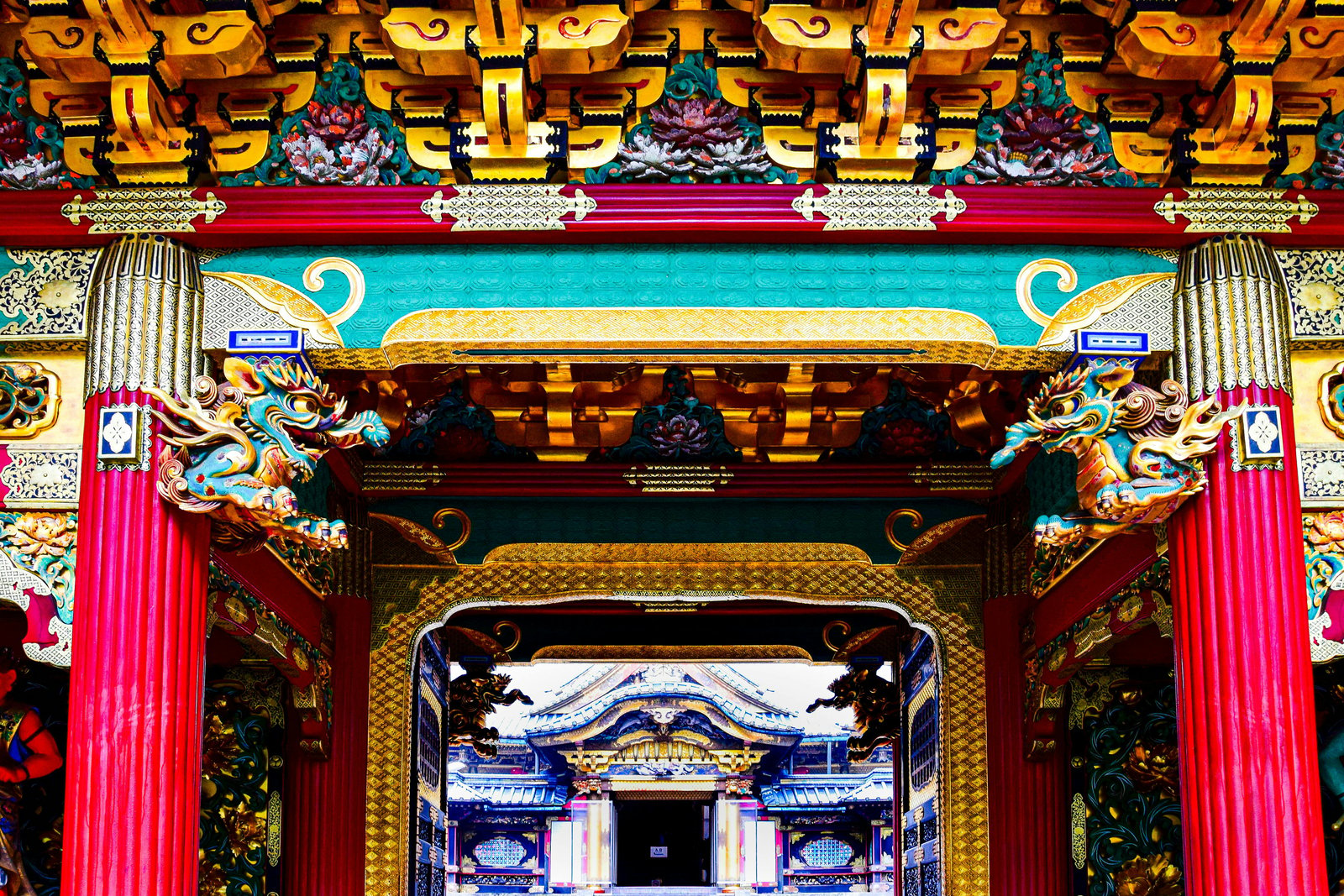
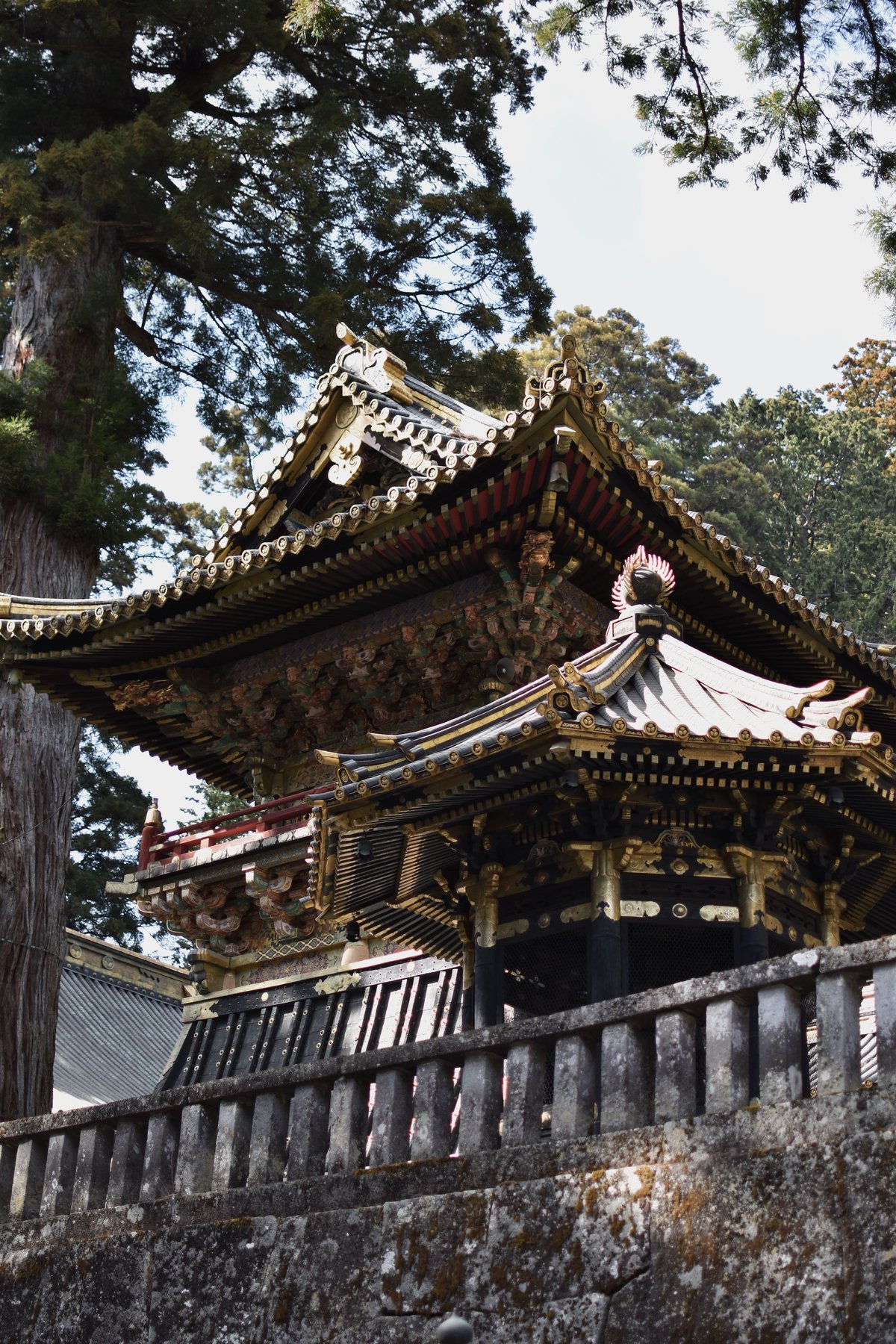
Nikko's centerpiece is its complex of ornate shrines and temples, the most famous being Toshogu Shrine, the lavishly decorated mausoleum of Tokugawa Ieyasu, founder of the shogunate that ruled Japan for centuries. Unlike the usual restraint of Japanese religious architecture, Toshogu is a riot of intricate carving, gold leaf, and color — including the famous carved panels of the "three wise monkeys" (see no evil, hear no evil, speak no evil) and the sleeping cat. The complex sits among ancient, soaring cedars that give it a majestic, almost mystical atmosphere. Exploring the shrines is the heart of a Nikko visit. Look closely at the carvings and you'll notice recurring animal and floral motifs beyond the famous monkeys and cat — Toshogu carries over 5,000 carvings in total, and even a focused visit only takes in a fraction of the detail packed into the complex.
Map: Tokyo, Nikko.
Nature beyond the shrines
With more time, the area around Nikko offers beautiful mountain scenery up in the Oku-Nikko highlands: the dramatic Kegon Falls, the serene Lake Chuzenji, and marshland and hiking in the national park. These take extra travel time (a winding mountain road) from the shrine area, so a full day or an overnight helps if you want both the shrines and the nature. In autumn, the foliage here is spectacular, typically peaking in mid-to-late October around Lake Chuzenji's higher elevation — three to four weeks ahead of Kyoto's famous autumn color in late November, which is worth knowing if your trip dates line up with one but not the other.
Getting there and eating
The most direct route is the Tobu Railway from Tokyo's Asakusa Station, with limited express trains reaching Tobu-Nikko Station in about two hours; a JR/Tobu through-service also runs from Shinjuku. Around the shrine area and Nikko's small town center, look for yuba (tofu skin), a local specialty served in everything from simple bowls to multi-course kaiseki-style meals — a distinctive dish worth trying here specifically, since it's more associated with Nikko and Kyoto than most other stops on a first trip.
Nikko is reachable from Tokyo by train, taking a bit longer than closer day trips like Kamakura, so it makes for a fuller day out — worth weighing against your other day-trip options when you're deciding how to spend limited time near Tokyo, something Japan, Worked Out helps sequence. Many travelers focus on the shrine complex, which is walkable once you arrive (with some uphill), and add the highland nature only if time allows. Starting early maximizes what you can see and is essential if you want to combine shrines and waterfalls in one day.
Highlights checklist
Toshogu Shrine — the ornate, gold-adorned centerpiece, with the three wise monkeys and sleeping cat carvings.
Rinno-ji and Futarasan Shrine — the other major components of the UNESCO complex among the cedars.
Shinkyo Bridge — a picturesque vermilion bridge arching over the river near the entrance to the shrine area, and the traditional starting point of the shrine complex.
Kegon Falls and Lake Chuzenji (with extra time) — dramatic waterfall and lake scenery up in the highlands, reached by a winding mountain road with dozens of switchbacks known as Irohazaka.
Practical tips
Start early — the travel time means you'll want a full day to do it justice.
Consider a regional pass (such as the Nikko-area passes) for the train and local buses if you'll venture to the highlands.
Dress in layers; the mountains are cooler than Tokyo, and it can be snowy in winter, with the highland road sometimes closed in the coldest months.
Wear comfortable shoes for walking the forested, slightly hilly shrine grounds.
Guided tours are available if you prefer not to handle the logistics, and can be efficient given the distance.
Autumn weekends bring heavy traffic on the Irohazaka road up to the highlands — the 20-minute drive can stretch to 2-3 hours at peak foliage, so budget extra time or lean on the train/bus combination instead of a rental car.
Bottom line
Nikko rewards the longer journey with some of Japan's most spectacular shrine architecture in a stunning ancient-forest setting, plus highland waterfalls and lakes for those who venture further. For history and nature lovers willing to make a full day of it, it's one of the most memorable day trips from Tokyo — pair it with a plate of local yuba before you head back, and you'll have covered the town's two signature experiences in a single visit.
FAQ
What is there to see at Nikko?
Nikko's centerpiece is its complex of ornate shrines and temples, the most famous being Toshogu Shrine, the lavishly decorated mausoleum of Tokugawa Ieyasu, founder of the shogunate that ruled Japan for centuries. Unlike the usual restraint of Japanese religious architecture, Toshogu is a riot of intricate carving, gold leaf, and…
What is there beyond Nikko's shrines?
With more time, the area around Nikko offers beautiful mountain scenery up in the Oku-Nikko highlands: the dramatic Kegon Falls, the serene Lake Chuzenji, and marshland and hiking in the national park. These take extra travel time (a winding mountain road) from the shrine area, so a full day or an overnight helps if you want both the…
How do you get to Nikko from Tokyo?
The most direct route is the Tobu Railway from Tokyo's Asakusa Station, with limited express trains reaching Tobu-Nikko Station in about two hours; a JR/Tobu through-service also runs from Shinjuku. Around the shrine area and Nikko's small town center, look for yuba (tofu skin), a local specialty served in everything from simple bowls…