Affiliate disclosure: this guide contains affiliate links. If you book through them we may earn a commission, at no extra cost to you.
Kamakura is a relaxed coastal town within easy reach of Tokyo, best known for its monumental open-air Great Buddha, along with atmospheric temples, shrines, and a breezy seaside setting. Once the political capital of Japan in the medieval era, it's now a laid-back escape that pairs history with sea air — the most relaxing of the classic Tokyo day trips. Here's how to do it.
The Great Buddha (Daibutsu)
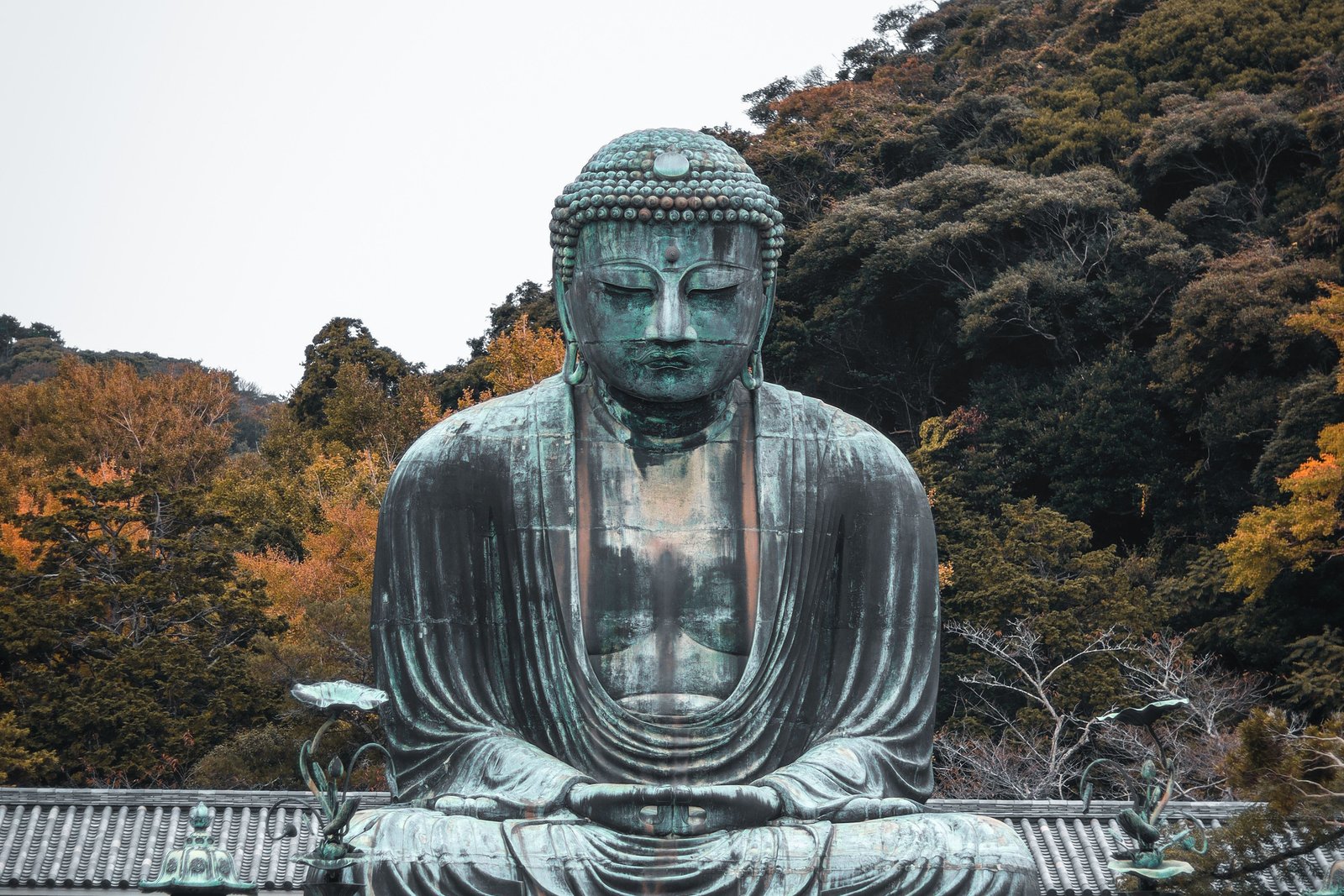
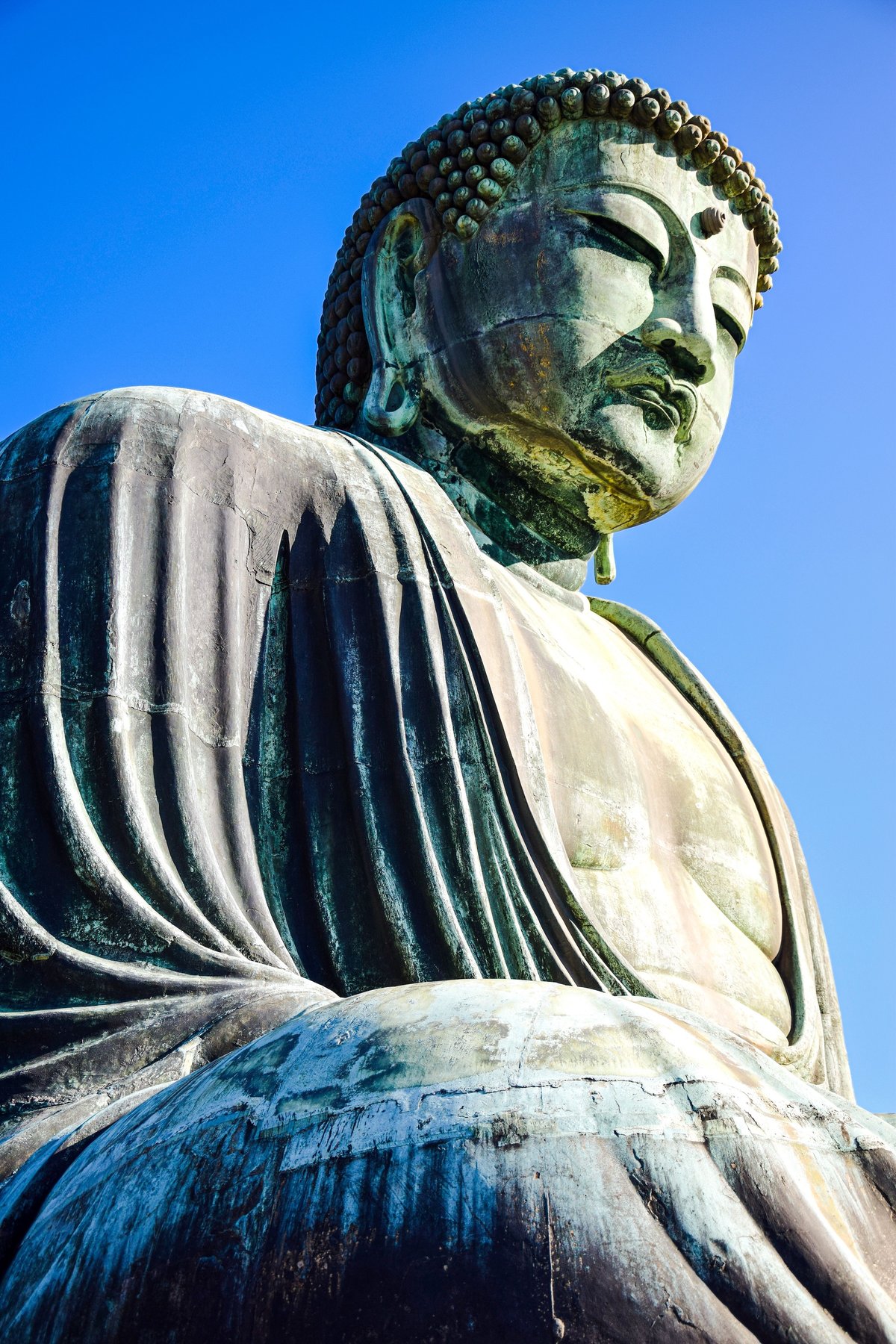
Kamakura's signature sight is the Great Buddha, a massive bronze statue over 11 meters tall, seated serenely in the open air at Kotoku-in temple. It was once housed in a great hall, but the building was washed away by a tsunami centuries ago, and the Buddha has sat out in the open ever since — which only adds to its presence and serenity. Standing before it is quietly awe-inspiring, and you can even step inside the hollow statue for a small fee. It's the centerpiece of any Kamakura visit.
Map: Tokyo, Kamakura.
Temples and shrines
Kamakura is dotted with historic temples and shrines from its days as the seat of power:
Hase-dera: a beautiful temple near the Great Buddha, with gardens, sea views, a revered eleven-headed Kannon statue, and a cave shrine.
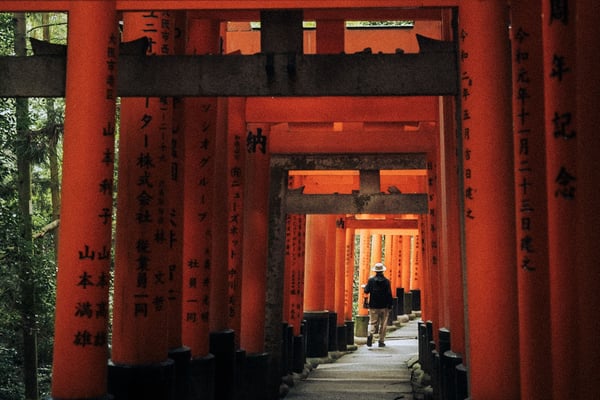
Tsurugaoka Hachimangu: the town's grand central shrine, approached via a long ceremonial avenue lined with torii gates.
Hokokuji (the Bamboo Temple): a serene temple with a lovely bamboo grove and a tea house, quieter than Kyoto's famous version.
Numerous smaller temples scattered through the wooded hills, some along pleasant hiking trails.
Meigetsu-in: a temple famous for its round "enlightenment window" framing a garden view, and one of the region's best spots for hydrangeas in June.
For a longer visit, several hiking courses connect Kamakura's temples through the wooded hills — the Daibutsu Hiking Trail links the Great Buddha area to Kita-Kamakura in about an hour, passing smaller temples most day-trippers never see.
The seaside and Enoshima
Being a coastal town, Kamakura has beaches that are popular in summer and a generally breezy, relaxed atmosphere year-round. The charming Enoden railway trundles along the coast, connecting Kamakura with the nearby island of Enoshima — a scenic add-on with a shrine, gardens, an observation tower, and sea-cave walks. The Enoden ride itself, rattling between houses and along the shoreline, is a nostalgic pleasure — the stretch near Kamakurakoko-mae station, where the tracks run right alongside the beach with Enoshima in the distance, has become a pilgrimage site for fans of the anime Slam Dunk, whose opening scene was set there, and it's a genuinely pretty stop even without that context.
Where to eat
Kamakura's local specialty is shirasu (whitebait), served fresh over rice bowls (shirasu-don) at restaurants near the coast — a genuinely local dish you won't find as easily in Tokyo. Komachi-dori, the pedestrian shopping street running from Kamakura Station toward Tsurugaoka Hachimangu, is lined with snack stalls, croquette shops, and sweets, good for grazing between temples rather than a sit-down meal.
How to do it
Kamakura is easy and close — about an hour from Tokyo Station or Shinagawa via the JR Yokosuka Line direct to Kamakura Station, making it one of the simplest day trips. The main sights are reachable by local train (including the scenic Enoden) and some walking, and a relaxed half-day to full day covers the highlights. Its proximity and laid-back vibe make it ideal if you want temples plus a sea breeze without venturing far, or a gentler day than the mountain trips — and deciding which day trips to slot into a short Tokyo stay, and which to skip, is exactly the kind of call Japan, Worked Out helps make.
Start in the morning to enjoy the sights at a relaxed pace, especially in summer when the beaches and trains get busy.
Wear comfortable shoes — there's walking between sights, some of it uphill or along trails.
The Enoden line is scenic and fun; a day pass can be handy if you're hopping between coastal stops.
Combine the Great Buddha and Hase-dera, which are close together near Hase Station.
Carry small change for temple entry fees — most sites charge a modest fee (typically a few hundred yen) and don't always take cards.
Weekends and holidays get noticeably busier, especially around the Great Buddha and Komachi-dori — a weekday visit is meaningfully calmer if your schedule allows it.
Bottom line
For an easy, scenic day trip combining a magnificent open-air Buddha, historic temples, a nostalgic coastal railway, and sea air, Kamakura is hard to beat. Its proximity to Tokyo and relaxed charm make it a refreshing, low-stress escape from the city — the gentlest of the classic day trips, and a good pick if the rest of your itinerary has been packed with temple-hopping and you want a day that trades a little history for sea air. Kamakura's Great Buddha has a Kansai counterpart, and a Nara day trip from Kyoto or Osaka pairs a giant bronze Buddha with free-roaming deer.
FAQ
What is the Kamakura Great Buddha?
Kamakura's signature sight is the Great Buddha, a massive bronze statue over 11 meters tall, seated serenely in the open air at Kotoku-in temple. It was once housed in a great hall, but the building was washed away by a tsunami centuries ago, and the Buddha has sat out in the open ever since — which only adds to its presence and…
Which temples and shrines are in Kamakura?
Kamakura is dotted with historic temples and shrines from its days as the seat of power:
Hase-dera: a beautiful temple near the Great Buddha, with gardens, sea views, a revered eleven-headed Kannon statue, and a cave shrine.
Tsurugaoka Hachimangu: the town's grand central shrine, approached via a long ceremonial avenue lined with torii gates.
Hokokuji (the Bamboo Temple): a serene temple with a lovely bamboo grove and a tea house, quieter than Kyoto's famous version.
Numerous smaller temples scattered through the wooded hills, some along pleasant hiking trails.
Meigetsu-in: a temple famous for its round "enlightenment window" framing a garden view, and one of the region's best spots for hydrangeas in June.
Does Kamakura have beaches?
Being a coastal town, Kamakura has beaches that are popular in summer and a generally breezy, relaxed atmosphere year-round. The charming Enoden railway trundles along the coast, connecting Kamakura with the nearby island of Enoshima — a scenic add-on with a shrine, gardens, an observation tower, and sea-cave walks. The Enoden ride…