Affiliate disclosure: this guide contains affiliate links. If you book through them we may earn a commission, at no extra cost to you.
Japan's drinks are as rich and varied as its food, from centuries-old sake to internationally acclaimed whisky to the ever-present vending-machine teas on every street corner. Drinking is woven into the country's social life, and there's something for every taste, alcoholic or not. Here's a first-timer's guide to what to drink, how to order it, and the etiquette that goes with it.
Sake (nihonshu)
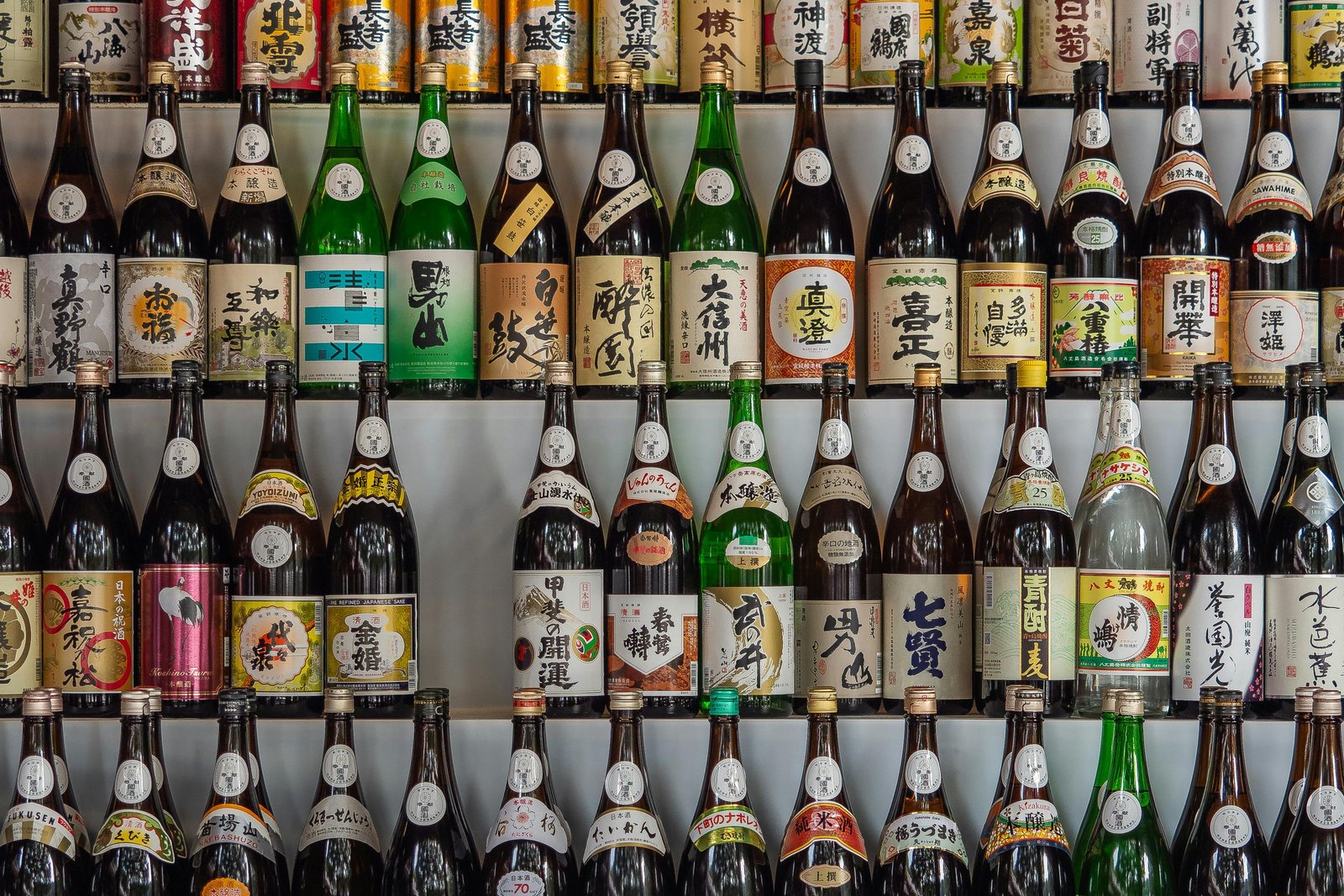
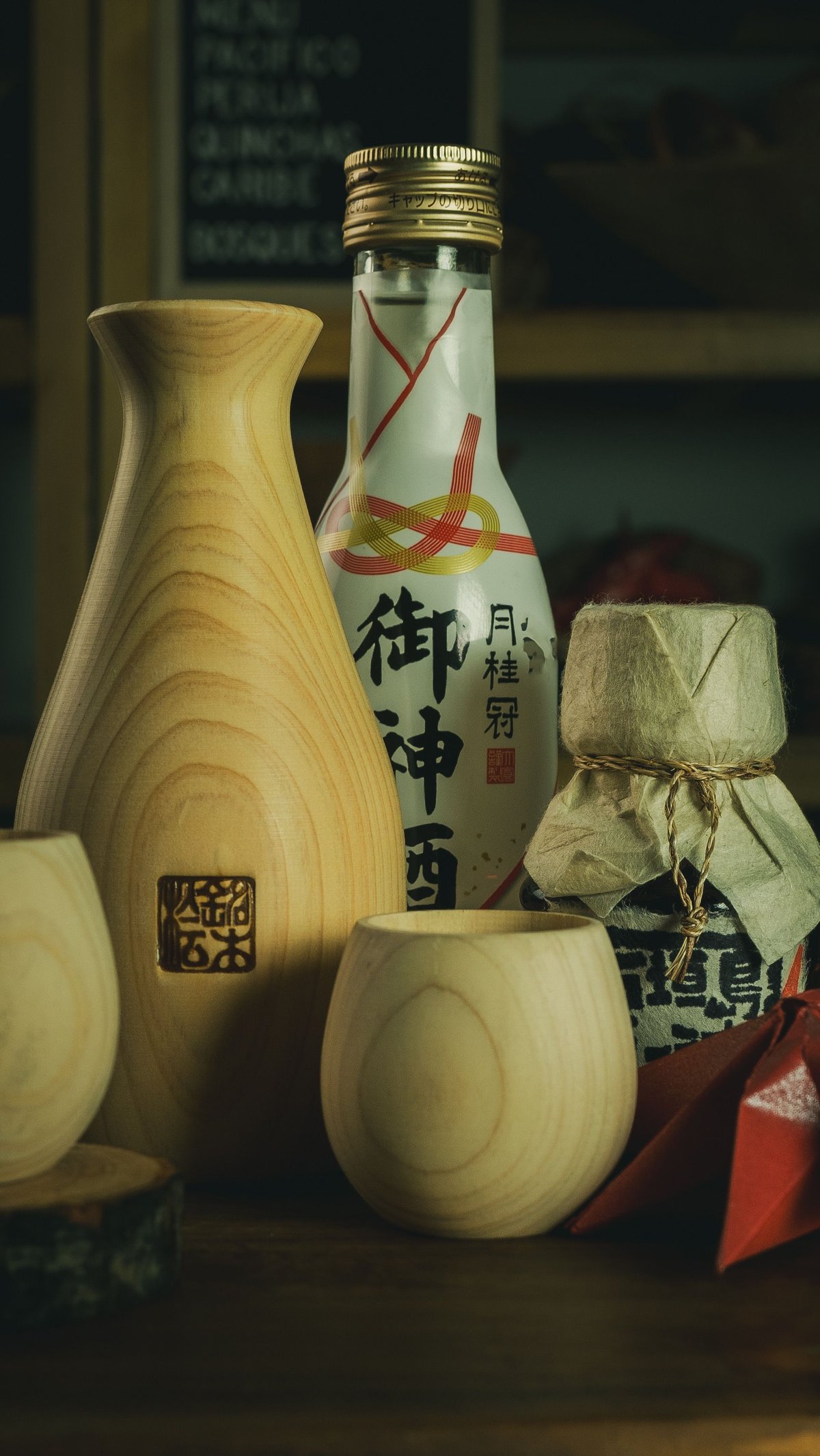
Sake — fermented rice "wine" (the Japanese call it nihonshu; "sake" can mean alcohol generally) — is Japan's signature traditional drink. It ranges from bone-dry to fruity-sweet and is served warm (atsukan) or chilled (reishu) depending on the type and season; premium sake is usually best chilled to showcase its delicate aromas, while cheaper sake is often warmed. Grades like junmai, ginjo, and daiginjo indicate how much the rice is polished (more polishing generally means a more refined, fragrant sake). It pairs beautifully with Japanese food, and you shouldn't be shy about asking staff for a recommendation — there's a sake for every palate. In social settings, it's customary to pour for others rather than yourself.
Beer
Japanese beer is hugely popular and excellent — crisp, clean lagers from the major domestic brands dominate izakaya, restaurants, and vending machines. Order "nama biru" for a draft beer, the default and best first drink at most gatherings. There's also a fast-growing craft-beer scene in the cities, with taprooms and inventive local brews for the curious. On a hot day, an ice-cold draft is hard to beat.
Whisky
Japanese whisky has earned a world-class reputation, with several distilleries winning top international awards, and demand has made premium aged bottles genuinely scarce and expensive. But you don't need a rare bottle to enjoy it: the hugely popular highball (whisky and soda water over ice) is a refreshing, easy-drinking, affordable way to drink whisky and a staple at every izakaya. Whisky bars, especially in Tokyo and Kyoto, offer a deep and serious selection if you want to explore.
Shochu
Shochu is a distilled spirit made from barley, sweet potato, rice, or other bases — stronger than sake (around 25% alcohol), and deeply popular, especially in southern Japan. It's drunk on the rocks (rokku), cut with hot or cold water (oyuwari/mizuwari), or as the base of a chu-hai. Regional varieties vary a lot in character, so it's worth trying a few; the sweet-potato (imo) style is especially distinctive.
Chu-hai and cocktails
Chu-hai (shochu highballs, typically fruity, served canned, bottled, or on tap) are light, sweet, refreshing, and very popular — the lemon sour is a classic. They're an easy, low-commitment choice at izakaya and convenience stores alike. Beyond them, cocktails are widely available, and Japan has a celebrated, meticulous cocktail-bar culture in its cities, where bartenders treat drink-making as a precise craft.
Non-alcoholic drinks
Green tea and matcha: everywhere, hot or cold, frequently free with meals; from everyday bottled green tea to ceremonial matcha.
Vending machines: on nearly every street, dispensing hot and cold teas, coffees, juices, and water for pocket change — a genuine daily convenience, and they change with the seasons (hot drinks in winter).
Convenience-store coffee: freshly brewed from a self-serve machine, cheap and surprisingly good.
Calpis, Ramune, and quirky sodas: fun local soft drinks to try, including the marble-stoppered Ramune bottle.
Tap water is safe to drink throughout Japan.
Drinking culture and etiquette
Start group gatherings with a hearty "kanpai!" (cheers) — and wait for it before the first sip.
Pour for others, not yourself, and let them refill your glass; keeping an eye on companions' glasses is good manners.
Hold your glass with both hands when someone pours for you, as a small courtesy.
Izakaya often offer nomihodai (all-you-can-drink) for a set time and price — good value for a group.
The legal drinking age is 20, and there's zero tolerance for drink-driving.
Public drinking is generally tolerated and street/park drinking is common, but stay respectful and never disruptive.
No tipping at bars.
Why Japanese whisky got so expensive
The scarcity isn't marketing — it's the direct result of a real supply crunch. Demand for Japanese whisky surged internationally through the 2010s after major awards put it on the world stage, but whisky takes a decade or more to age, so distilleries that hadn't anticipated the boom simply didn't have enough aged stock in the pipeline to meet it. Many age-statement bottles (12-year, 18-year, and so on) were discontinued entirely rather than sold at a loss or diluted with younger spirit, which is why you'll often see age-less "blended" bottlings dominating shelves now instead of the vintages that built the reputation in the first place.
Bottom line
Whether you're sipping premium chilled sake with dinner, ordering highball after highball at an izakaya, exploring craft beer and cocktails, or just grabbing a cold green tea from a vending machine, Japan's drink culture is a genuine pleasure to explore. Pace yourself, pour for your friends, toast with a loud "kanpai," and enjoy one of the most sociable sides of Japanese life.
Sake — fermented rice "wine" (the Japanese call it nihonshu; "sake" can mean alcohol generally) — is Japan's signature traditional drink. It ranges from bone-dry to fruity-sweet and is served warm (atsukan) or chilled (reishu) depending on the type and season; premium sake is usually best chilled to showcase its delicate aromas, while…
What is Japanese beer like?
Japanese beer is hugely popular and excellent — crisp, clean lagers from the major domestic brands dominate izakaya, restaurants, and vending machines. Order "nama biru" for a draft beer, the default and best first drink at most gatherings. There's also a fast-growing craft-beer scene in the cities, with taprooms and inventive local…
Is Japanese whisky any good?
Japanese whisky has earned a world-class reputation, with several distilleries winning top international awards, and demand has made premium aged bottles genuinely scarce and expensive. But you don't need a rare bottle to enjoy it: the hugely popular highball (whisky and soda water over ice) is a refreshing, easy-drinking, affordable…
Keep planning
Not sure how it all fits together?
Pick your trip length and we’ll route a real day-by-day plan.