New Year is the one holiday Japan takes almost entirely off. For about a week either side of January 1, offices shut, families go home and much of ordinary commercial life pauses. It is also one of the most atmospheric times to be in the country, provided you know in advance what will be closed and what keeps running. Here is that list, day by day, written for a first-time visitor whose dates are already set.
What Shogatsu is and which days it covers
Shogatsu, the Japanese New Year, is the stretch of holiday from December 29 to January 3, when government offices, banks and most companies close and Japanese families travel home. January 1 is the only national public holiday in the run, but custom extends the break across the whole span. For a visitor, Shogatsu is a real closure week, not a busy weekend.
The rhythm inside those six days is uneven. December 29 and 30 are travel days, with trains and roads full of people heading to their home towns. December 31 is a day of cleaning, shopping and preparation, ending with late-night temple bells. January 1 to 3 is the visiting period, when shrines fill and much of the country stays at home with family. By January 4 most businesses reopen, though some small ones take the whole first week.
What closes in Japan over New Year
Japan's New Year closures hit the administrative and family-run layer hardest. Banks, post office counters, city halls and government offices close from December 29 to January 3. Many museums and galleries close for part of the run, often from around December 28 to January 1 or 2. Family-owned restaurants, small shops and neighbourhood businesses frequently shut for the full holiday, some for longer.
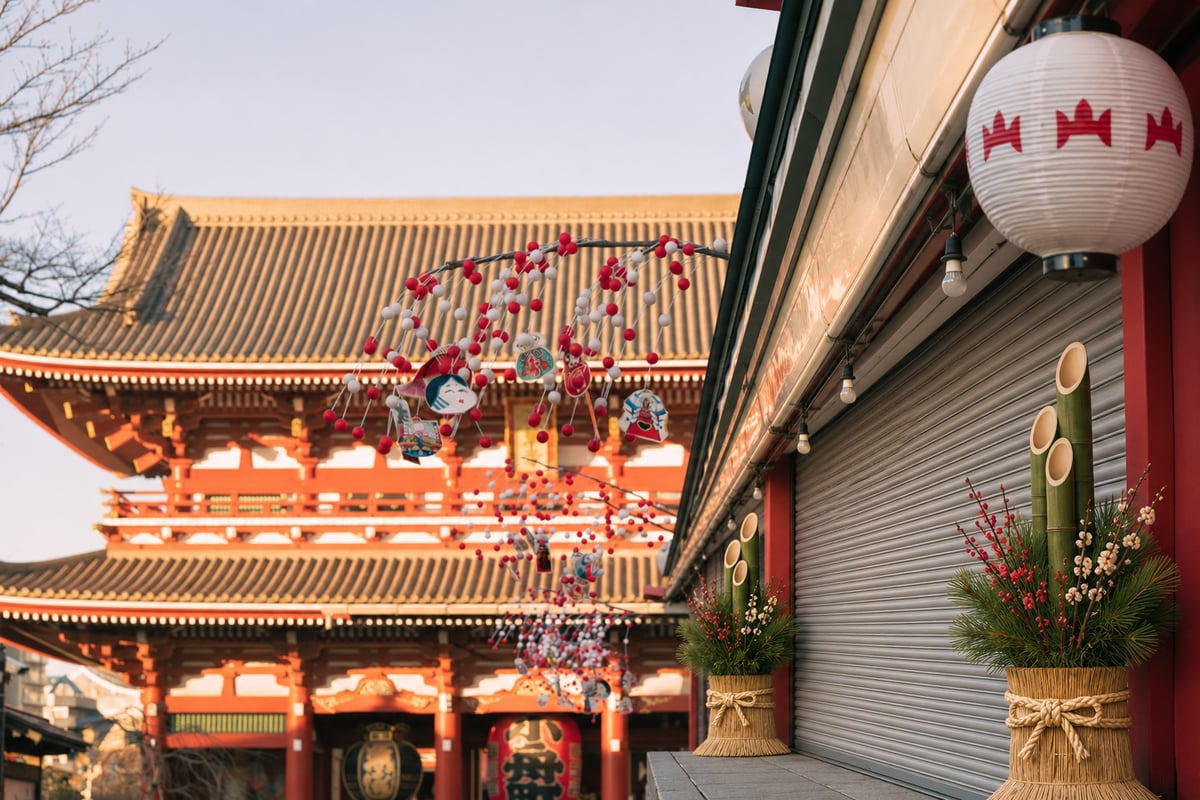
The closed shops are easy to spot. A pair of kadomatsu, the bamboo-and-pine arrangements, stands at the entrance, a straw shimekazari hangs over the door, and a handwritten notice on the shutter gives the reopening date. That notice is the only reliable source: closing days are set by each business, not by law, and two branches of the same small chain can keep different hours.
Museums and sights
Museum closure dates vary by institution and change from year to year, so check each museum's own site for your dates before you build a day around it. Temples and shrines are the opposite case: they are open and at their busiest. Castles, gardens and observation decks are mixed. Some close on January 1 only, some stay open throughout, and a few close for several days. Put anything with a fixed ticket or timed entry on December 27 or 28, or after January 4.
What stays open over the New Year holiday
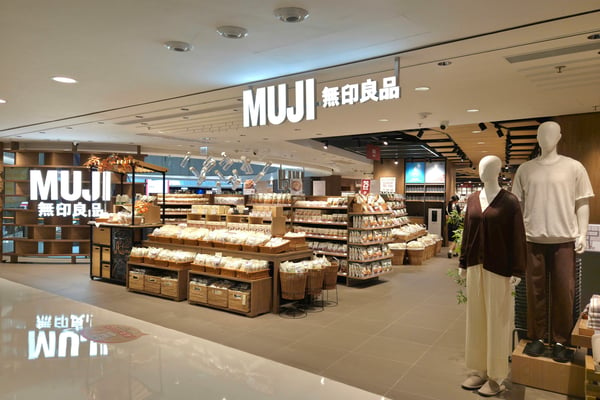
Japan's New Year leaves the essentials running. Convenience stores such as 7-Eleven, Lawson and FamilyMart stay open around the clock, trains and subways run every day, and most hotels operate normally. Department stores and large shopping centres usually close only on January 1 and reopen on January 2 with their New Year sales. Big restaurant chains and hotel restaurants mostly keep serving throughout.
Convenience stores carry the week. They sell hot meals, drinks and New Year snacks, and their ATMs are the usual fallback when bank branches are shut, though it is sensible to draw cash before December 29 rather than rely on any one machine. Chain coffee shops and fast-food outlets stay busy and open. Hotel breakfast becomes a more valuable part of the room rate than at any other time of year.
Department stores are the exception worth planning around. When they reopen on January 2, many sell fukubukuro, sealed "lucky bags" of goods sold at a discount on the bag's total value, and the queues for well-known brands start before the doors open. If you shop then, spend at least ¥5,000 in a single store on a single day to qualify for the tax refund, and read how Japan's new tax-free system works before you go, because the refund is now claimed at the airport.
How trains and transport run over New Year
Japan's trains run throughout the New Year holiday, but the demand around them is lopsided. Long-distance Shinkansen and limited-express services out of Tokyo and Osaka are packed on December 28 to 30 and on the return days of January 2 to 4. Reserved seats on those dates sell out early. City subways and local lines run every day, sometimes on a holiday timetable.
If you are moving between cities, travel on December 31 or January 1. Those are the quietest days on the intercity lines, because almost everyone is already where they want to be. A reserved seat from Tokyo to Kyoto costs about ¥13,850 whichever day you travel, so the saving is in seats you can actually get, not in price.
On New Year's Eve some railway companies in the big cities have, in past years, run extra late or overnight trains for people going to midnight shrine visits. Whether and where they run is announced each December, so check your local operator's notices rather than counting on a train home after midnight. Taxis are scarcer and slower than usual across the whole week.
Where the hatsumode crowds are
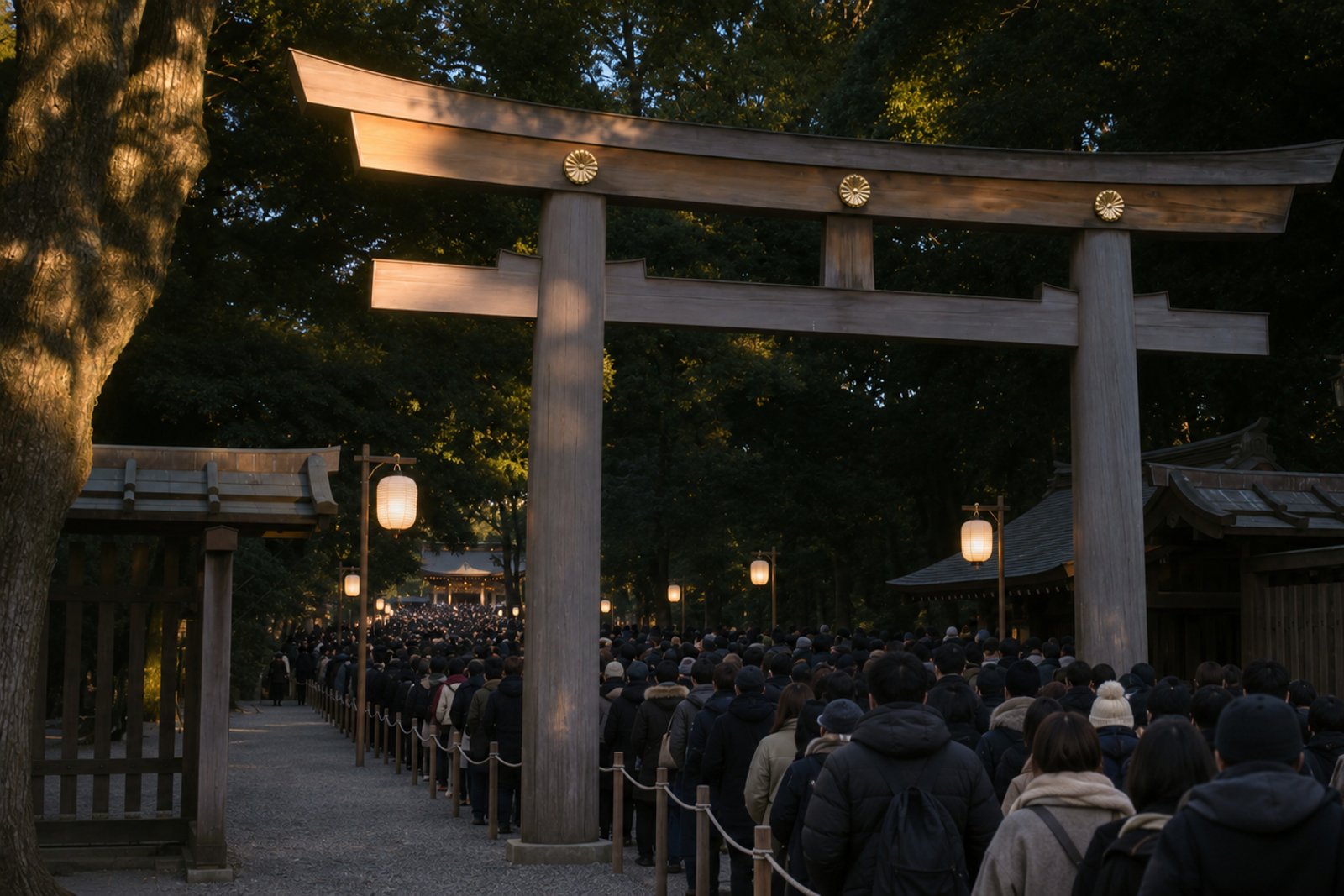
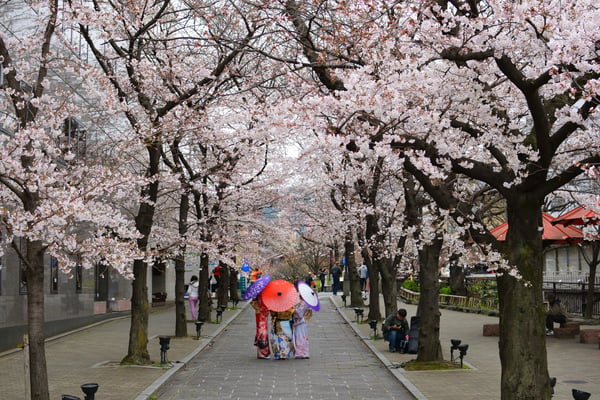
Hatsumode, the first shrine or temple visit of the year, draws Japan's largest crowds of the holiday from midnight on January 1 through January 3. The famous shrines, Meiji Jingu in Tokyo, Fushimi Inari in Kyoto and Sumiyoshi Taisha in Osaka, see queues stretching hundreds of metres, with police directing foot traffic. Smaller neighbourhood shrines are busy but manageable, and arguably the better visit.
The crowds at the big shrines are orderly and good-natured, but they are dense. Expect to queue for a long time just to reach the offering box, and to move at the pace of the crowd once you are in it. Food stalls line the approaches, selling grilled squid, amazake and sweets. Leave large bags at the hotel, keep your phone and wallet in a front pocket, and settle on a meeting point in case your group is split up.
If you want the atmosphere without the crush, go to a famous shrine on the morning of January 3 or any day from January 4, or visit a local shrine near your hotel at midnight on December 31 for the bell-ringing and the first prayers. The local version is often the one visitors remember.
A New Year trip to Japan works best with one base and a short list. Arrive by December 27 or 28 to do museums, banking and any timed sights. Stay put from December 29 to January 3, spending the days on shrines, walks, food stalls and the January 2 sales. Move cities on December 31 or January 1, when the intercity trains are quietest.
Book rooms early. Domestic travel peaks around the holiday and hotels in the popular cities and hot-spring towns fill well in advance. Pick a hotel near a station with plenty of convenience stores and chain restaurants close by, so that meals never depend on a small place being open. Plan for maps and translation to do more work than usual, because tourist information desks may keep short hours.
How New Year fits around the rest of your dates, and the cities on either side of it, is the kind of timing call the complete Japan trip guide works through with the rest of the route.
Frequently asked questions
Is it a bad idea to visit Japan over New Year?
No. Visiting Japan over New Year means accepting closed banks, some closed museums and family restaurants, and crowded intercity trains around the start and end of the holiday. In exchange you get the shrine visits, the decorations and quiet city streets. Plan meals around chains and convenience stores and it is a very good week.
Are restaurants open on January 1 in Japan?
Some are. On January 1 most small independent restaurants in Japan are closed, while chain restaurants, fast food, hotel restaurants and convenience stores stay open. Station and department-store restaurant floors are usually closed on January 1 and reopen from January 2.
Can I withdraw cash over the New Year holiday?
Usually, at convenience-store ATMs, which stay open while bank branches close from December 29 to January 3. Machines can run short or go offline for maintenance over the holiday, so withdraw enough before December 29 to cover several days.
When do Japanese department stores have their New Year sales?
Most Japanese department stores reopen on January 2 with their New Year sales and fukubukuro lucky bags. A few open on January 1, and the exact days are announced in December, so check the store's own site.
Free guide
Seven Days in Japan
The First-Timer Plan
The Tokyo–Kyoto week almost every good first trip converges on, laid out day by day — with the one anchor that makes each day work.
6 pages · PDF · free
Keep planning
Not sure how it all fits together?
Pick your trip length and we’ll route a real day-by-day plan.