Japan in 7 Days: The First-Timer Route (Tokyo + Kyoto)
A complete 7-day Japan itinerary for first-time American visitors — Tokyo, a day trip, the bullet train to Kyoto, and Nara. Day by day, with what to book.
Affiliate disclosure: this guide contains affiliate links. If you book through them we may earn a commission, at no extra cost to you.
One week is the classic first trip to Japan, and the route nearly everyone converges on is Tokyo plus Kyoto, linked by the bullet train, with a day trip or two mixed in. It balances big-city energy, traditional culture, and an easy pace without backtracking. Here's a day-by-day plan built for first-time American visitors, traveling in spring or autumn at a moderate pace.
Before you go: the essentials
A few things make this itinerary run smoothly. As a US passport holder you enter visa-free for up to 90 days — no visa needed. Because you'll do the Tokyo–Kyoto round on the Shinkansen, price the Japan Rail Pass against individual tickets before you buy — for a simple two-city week with one round trip, the pass usually loses: a 7-day pass runs around ¥50,000, while a Tokyo–Kyoto round-trip ticket costs roughly ¥28,000, so you'd be paying nearly double for coverage you only partly use. Get a Suica or Pasmo IC card the moment you land for all local transit, and remember there's no tipping anywhere. Book timed-entry sights like teamLab ahead.
Seven days, Tokyo to Kyoto: Tokyo → Kyoto → Nara. (Enable JavaScript for the interactive map.)
Days 1–3: Tokyo
Day 1 — Arrival and Shibuya/Shinjuku
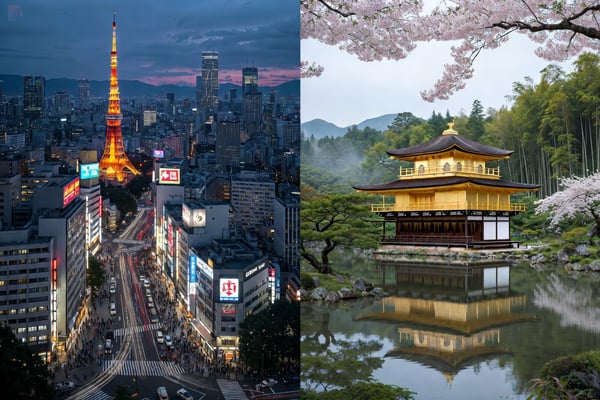
Fly into Haneda or Narita and head to your hotel (Shinjuku, Shibuya, or Asakusa all make great bases). Take it easy on jet lag — get your IC card, then ease in with the Shibuya Crossing and a wander through Shibuya and Shinjuku, ending with dinner in an atmospheric alley like Omoide Yokocho.
Start early at Senso-ji in Asakusa, the city's oldest temple, then explore the Akihabara electronics district and head up Tokyo Skytree for the view. Mix in the Tsukiji Outer Market for a seafood lunch if you have time.
Day 3 — A day trip or teamLab
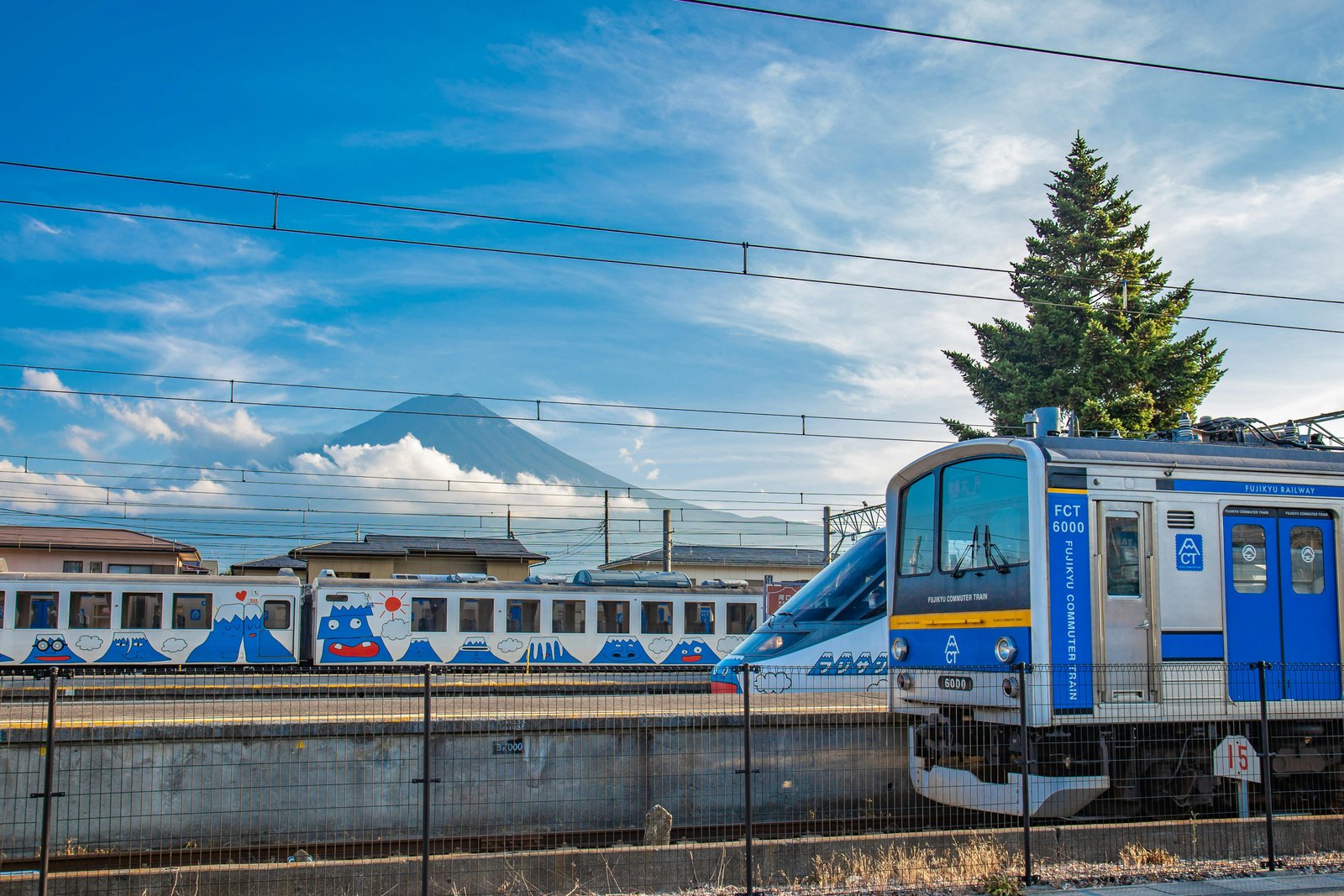
Use day three for a day trip — Hakone for hot springs and Mt Fuji views, or Nikko for forest shrines — or stay in the city for the immersive teamLab digital art museum and Meiji Shrine beside Harajuku. Pick based on the weather: a clear forecast makes Hakone's Fuji views worth it.
Day 4: Shinkansen to Kyoto
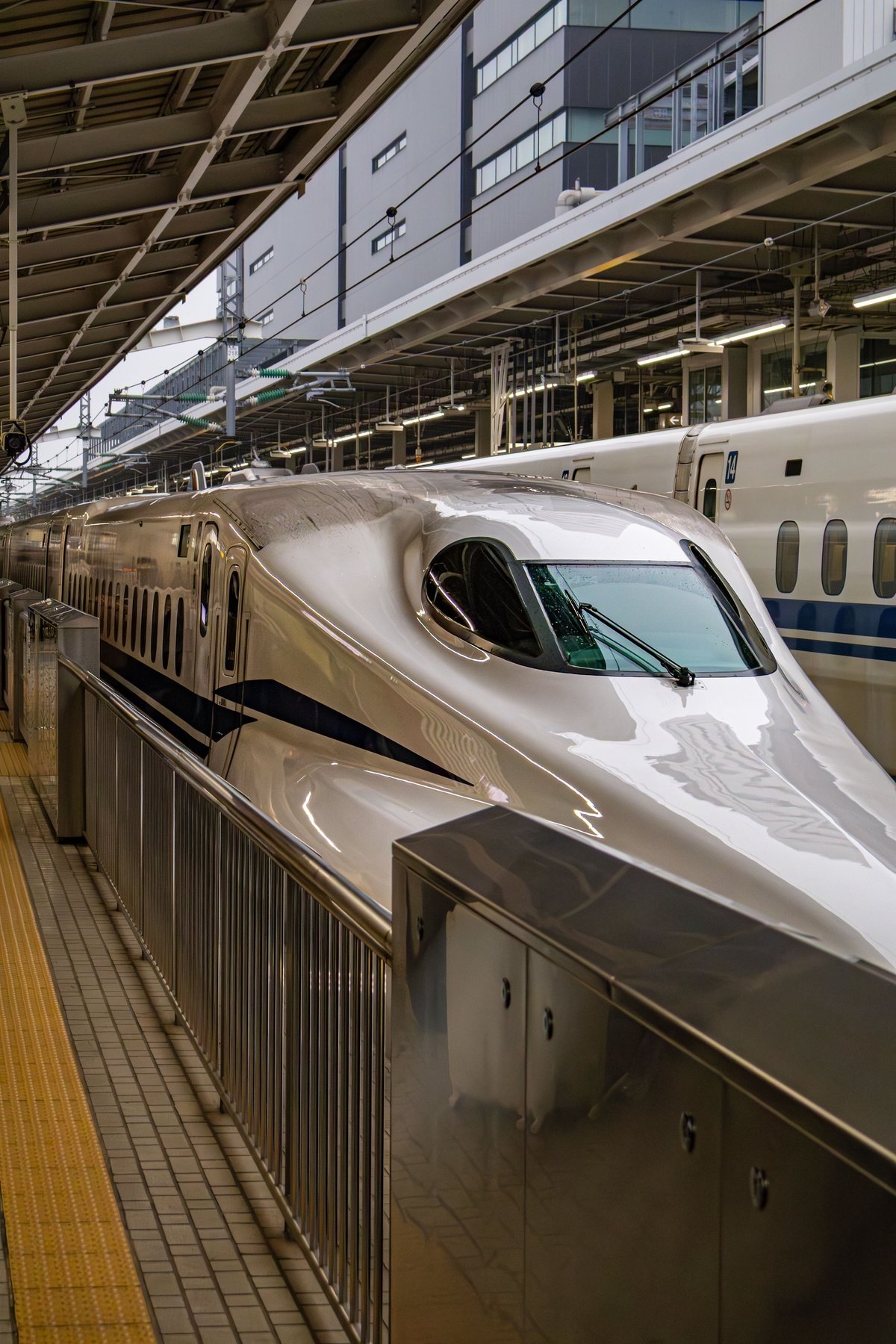
Ride the Shinkansen from Tokyo to Kyoto — about 2 hours 15 to 2 hours 30 on the Hikari service, city center to city center, and a bucket-list experience in itself. Grab an ekiben (station bento) before boarding and enjoy it on the way; sit on the right-hand side of the train for a chance at spotting Mt Fuji as you pass. Drop your bags and spend the evening soaking up Gion, the historic geisha district, with dinner along the riverside Pontocho Alley.
Days 5–6: Kyoto
Day 5 — Eastern Kyoto
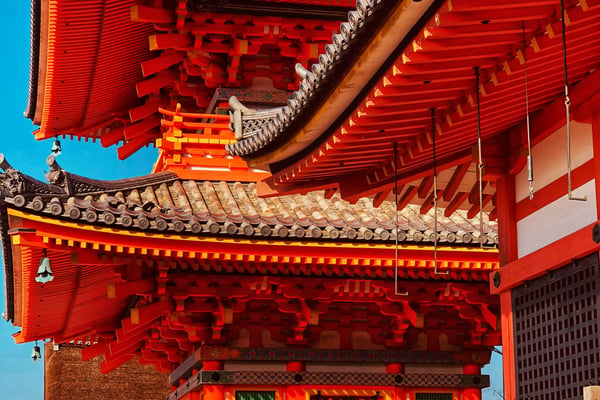
Explore the eastern hills: Fushimi Inari with its tunnels of red torii gates (go early to beat both the crowds and the heat), then up through the preserved Higashiyama streets to Kiyomizu-dera and its hillside veranda. This is Kyoto at its most atmospheric, and the walk between the two easily fills a full, unhurried day on its own. If Kyoto gets its own couple of days, a two-day Kyoto itinerary groups that walk with the bamboo grove and an evening in Gion.
Head to Arashiyama for the bamboo grove and riverside scenery in the morning, then over to Kinkaku-ji, the dazzling Golden Pavilion, in the afternoon. Group sights by area like this to minimize travel time across the city.
Day 7: Nara day trip and departure
On your last day, take the short train to Nara to see Todai-ji's giant bronze Buddha and the famous free-roaming deer in the park — a perfect, all-ages finale. Alternatively, tick off any final Kyoto sights you missed. Then depart from Kansai Airport (KIX), which is the natural exit point from the Kyoto/Osaka side — flying out of KIX instead of returning to Tokyo saves you a backtrack.
Ways to adjust
The spine above flexes easily. On day three choose Hakone, Nikko, or a city day depending on your interests and the weather. In Kyoto you can swap in Nijo Castle, the Imperial Palace, or the Philosopher's Path. If you have more time, add Osaka for food or Himeji for its spectacular castle. The structure — Tokyo first, bullet train to Kyoto, day trips around the edges — is what makes a first week in Japan flow, and it's the same underlying logic that Japan, Worked Out extends to longer trips with more cities in play.
What to book ahead
For a smooth trip, sort these early, especially if your dates fall in a peak travel window, when both flights and hotels fill up and prices climb well ahead of the actual dates: your flights (search flexible dates and consider flying into Tokyo, out of Kansai, to avoid backtracking), your hotels in Tokyo and Kyoto, and any experiences or tours with limited capacity like teamLab or guided day trips. Locking these in ahead of time is the difference between a relaxed week and a scramble to find a room or a ticket at the last minute.
FAQ
What do you need to sort before a week in Japan?
A few things make this itinerary run smoothly. As a US passport holder you enter visa-free for up to 90 days — no visa needed. Because you'll do the Tokyo–Kyoto round on the Shinkansen, price the Japan Rail Pass against individual tickets before you buy — for a simple two-city week with one round trip, the pass usually loses: a 7-day…
What should you do on days one to three in Tokyo?
Fly into Haneda or Narita and head to your hotel (Shinjuku, Shibuya, or Asakusa all make great bases). Take it easy on jet lag — get your IC card, then ease in with the Shibuya Crossing and a wander through Shibuya and Shinjuku, ending with dinner in an atmospheric alley like Omoide Yokocho.
How long is the Shinkansen from Tokyo to Kyoto?
Ride the Shinkansen from Tokyo to Kyoto — about 2 hours 15 to 2 hours 30 on the Hikari service, city center to city center, and a bucket-list experience in itself. Grab an ekiben (station bento) before boarding and enjoy it on the way; sit on the right-hand side of the train for a chance at spotting Mt Fuji as you pass. Drop your bags…