Affiliate disclosure: this guide contains affiliate links. If you book through them we may earn a commission, at no extra cost to you.
Japan is a genuine four-season destination, and the time you choose shapes the entire trip — from cherry blossoms to fiery autumn maples to powder snow. There's no single "best" time, but there are clear standouts and a few periods worth avoiding. Here's how the seasons break down, what each offers, and the specific dates to steer around.
The two best windows
If you can pick your dates freely, two windows stand out above the rest:
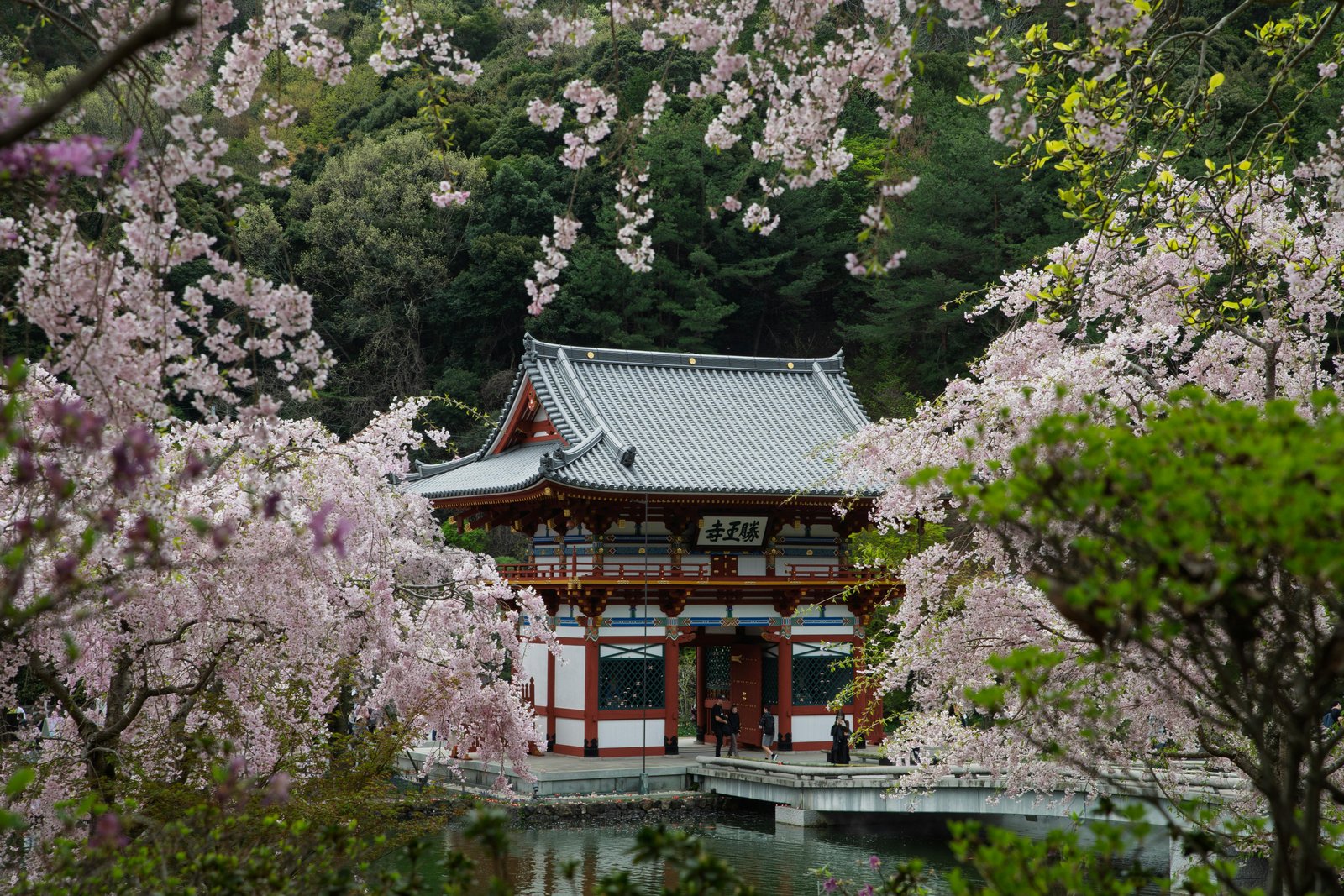
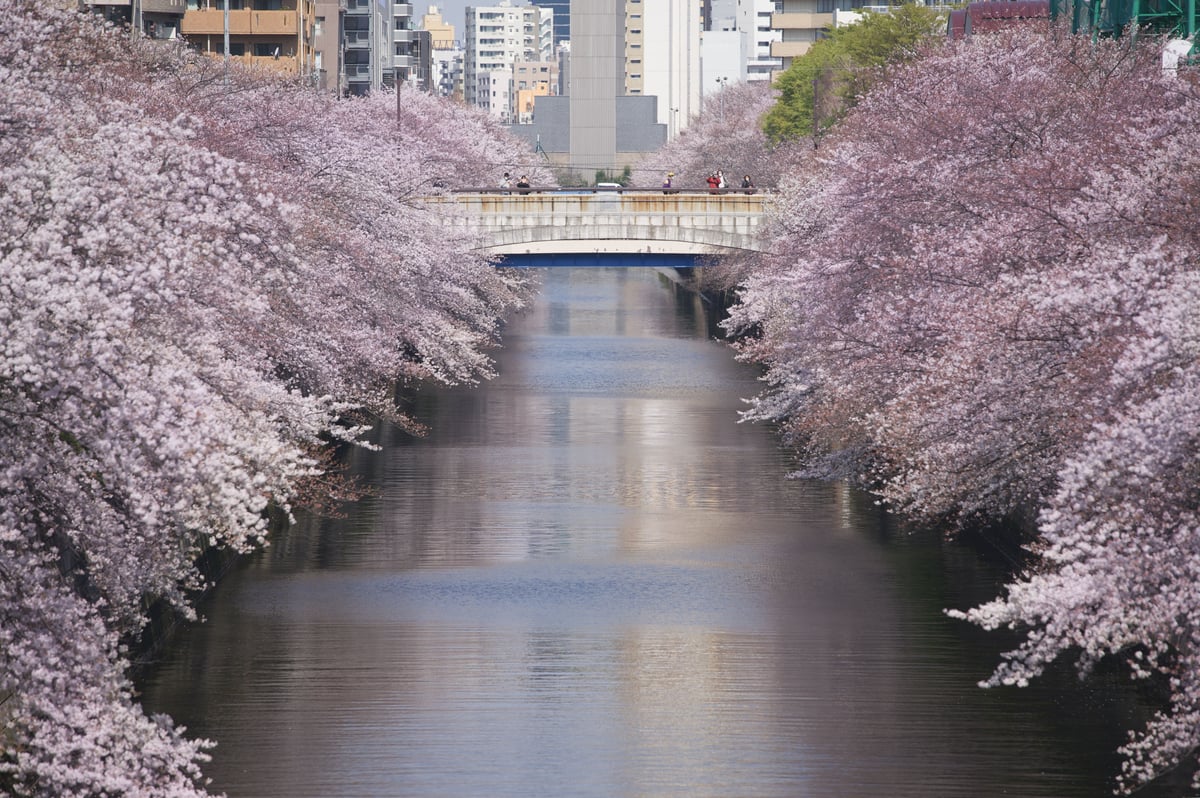
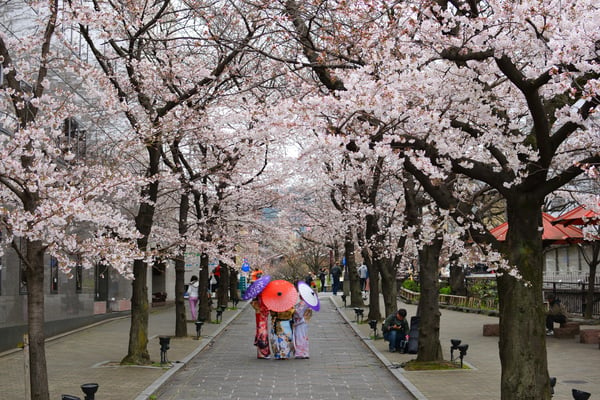
Late March to April — cherry blossom (sakura) season. Mild weather and the iconic pink blooms make this the most celebrated and romantic time to visit, with a festive atmosphere as the whole country turns out for hanami (blossom viewing). The trade-off: it's the busiest and priciest season, and the exact bloom timing shifts year to year, so book early and stay flexible.
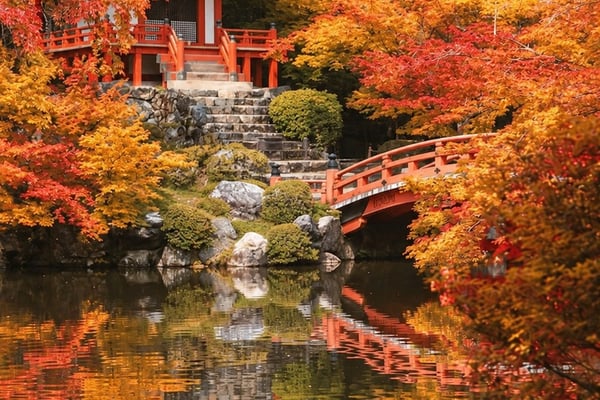
October to November — autumn foliage (koyo). Crisp, comfortable, clear weather and brilliant fall colors, especially stunning in Kyoto's temple gardens. Many seasoned travelers consider this the genuine sweet spot — gorgeous scenery with slightly easier logistics and weather than spring.
Season by season
Spring (March–May)
Mild and beautiful, anchored by the cherry blossoms. The bloom moves south to north over several weeks and varies year to year, so a little date flexibility helps if sakura are your goal. Late spring (after the blossoms, before the rains) is pleasant and a bit quieter, aside from the Golden Week holiday cluster.
Summer (June–August)
Hot and increasingly humid, with a rainy season (tsuyu) typically through June into mid-July across much of the country, and the start of typhoon season later. August brings real heat and humidity. It's still very doable — summer is the time of vibrant festivals (matsuri), fireworks, and lush green landscapes, and the mountains and northern Hokkaido stay cooler — but it's the least comfortable stretch weather-wise.
Fall (September–November)
Once the summer heat and early-autumn typhoon risk ease, fall turns mild and clear, finishing with spectacular autumn colors from late October into November. Comfortable temperatures and beautiful scenery make it an excellent and slightly underrated time to go.
Winter (December–February)
Cold, with serious snow in the north and along the Japan Sea coast — superb for skiing (Hokkaido's powder is world-famous) and for soaking in steaming outdoor onsen surrounded by snow. Tokyo and Kyoto stay chilly but mostly snow-light and sunny, illuminations brighten the cities, and — outside the New Year period — crowds are thinner and prices lower. An underrated season for the big cities.
Periods to avoid
Some dates are crowded, expensive, or weather-challenged. Try to steer around:
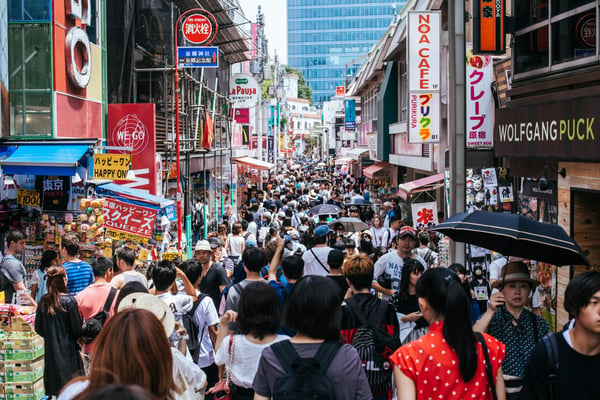
Golden Week (late April to early May) — a cluster of national holidays when domestic travel surges, prices spike, trains fill, and popular spots overflow. The single biggest one to avoid if you can.
Obon (around mid-August) — a major holiday when many Japanese travel to their hometowns; transport and lodging get busy and pricey.
New Year (roughly Dec 29–Jan 3) — many businesses and restaurants close, and trains fill with people traveling home; atmospheric for shrine visits but logistically tricky.
June to mid-July rainy season — frequent rain (though it has its own lush charm and fewer crowds).
Peak August — intense heat, humidity, and rising typhoon risk that can disrupt flights and trains.
A note on cherry blossom timing
Because the sakura bloom is brief (often just a week or so at a given spot) and the dates shift annually with the weather, chasing it requires some luck and flexibility. Forecasts are published in the months beforehand. If blossoms are your priority, build in a few days of buffer and be ready to travel south or to higher elevations to catch them — the bloom front moves predictably northward and upward.
How your dates ripple into the rest of the trip
Picking a season isn't an isolated decision — it changes what the rest of your planning should look like. Traveling during Golden Week or peak cherry blossom means booking accommodation and any timed tickets (teamLab, popular restaurants) far earlier than you'd otherwise need to, and it may push you toward fewer, more locked-in day trips rather than a flexible day-by-day plan. A winter trip opens up cheaper, less crowded cities but narrows out mountain day trips unless skiing is the point. None of that is obvious from the season alone — it only shows up once you're actually building the itinerary around it, which is exactly the kind of downstream effect Japan, Worked Out plans for.
For most American visitors, aim for late March–April for cherry blossoms or October–November for fall color — and dodge Golden Week, Obon, New Year, the rainy season, and peak August heat. That said, every season has its rewards, from winter onsen to summer festivals, so the "right" time ultimately depends on what you want to see. Once you've picked your season, the next step is shaping the route.
FAQ
Which are the two best windows for visiting Japan?
If you can pick your dates freely, two windows stand out above the rest:
Late March to April — cherry blossom (sakura) season. Mild weather and the iconic pink blooms make this the most celebrated and romantic time to visit, with a festive atmosphere as the whole country turns out for hanami (blossom viewing). The trade-off: it's the busiest and priciest season, and the exact bloom timing shifts year to year, so book early and stay flexible.
October to November — autumn foliage (koyo). Crisp, comfortable, clear weather and brilliant fall colors, especially stunning in Kyoto's temple gardens. Many seasoned travelers consider this the genuine sweet spot — gorgeous scenery with slightly easier logistics and weather than spring.
What is each season in Japan like?
Mild and beautiful, anchored by the cherry blossoms. The bloom moves south to north over several weeks and varies year to year, so a little date flexibility helps if sakura are your goal. Late spring (after the blossoms, before the rains) is pleasant and a bit quieter, aside from the Golden Week holiday cluster.
Which dates should you avoid in Japan?
Some dates are crowded, expensive, or weather-challenged. Try to steer around:
Golden Week (late April to early May) — a cluster of national holidays when domestic travel surges, prices spike, trains fill, and popular spots overflow. The single biggest one to avoid if you can.
Obon (around mid-August) — a major holiday when many Japanese travel to their hometowns; transport and lodging get busy and pricey.
New Year (roughly Dec 29–Jan 3) — many businesses and restaurants close, and trains fill with people traveling home; atmospheric for shrine visits but logistically tricky.
June to mid-July rainy season — frequent rain (though it has its own lush charm and fewer crowds).
Peak August — intense heat, humidity, and rising typhoon risk that can disrupt flights and trains.