Japan is one of the safest countries you can visit. Here is what the US government advisory says, the real risks to know, medication rules that catch travelers off guard, and the emergency numbers to save.
Japan is one of the safest countries an American can travel to. Crime against tourists is rare, the streets feel calm even late at night, lost wallets are famously returned, and the bigger things to prepare for are environmental — earthquakes and typhoons — rather than personal safety. Here's an honest, practical rundown so you can travel confidently.
What the US government says
The US State Department rates Japan at Level 1 — Exercise Normal Precautions, its lowest travel advisory level — the same category as most of Western Europe. You can read the current notice on the State Department Japan advisory page, which is worth a quick glance before any trip in case of updates. For day-to-day travel, that Level 1 rating reflects what most visitors experience: an exceptionally safe, orderly country.
The real risks: nature, not crime
Because Japan is such a low-crime country, the main risks are environmental. Japan sits in an active seismic zone, so earthquakes happen, and the late-summer and early-autumn months bring typhoon season. Neither should put you off — Japan is extraordinarily well prepared, with some of the strictest building codes and best warning systems in the world — but it's smart to know the basics:
Consider the official disaster-alert apps (such as the government's Safety Tips app for travelers), which push English alerts for earthquakes and severe weather.
Note that hotels post evacuation guidance, and trains automatically halt and inspect after tremors.
If you travel in late summer/early autumn, watch the forecast for typhoons, which can disrupt flights and trains for a day or two — build a little flexibility into tight connections.
In an earthquake, follow local guidance — generally drop, cover, and hold on indoors, stay away from windows, and don't rush outside.
Crime and scams
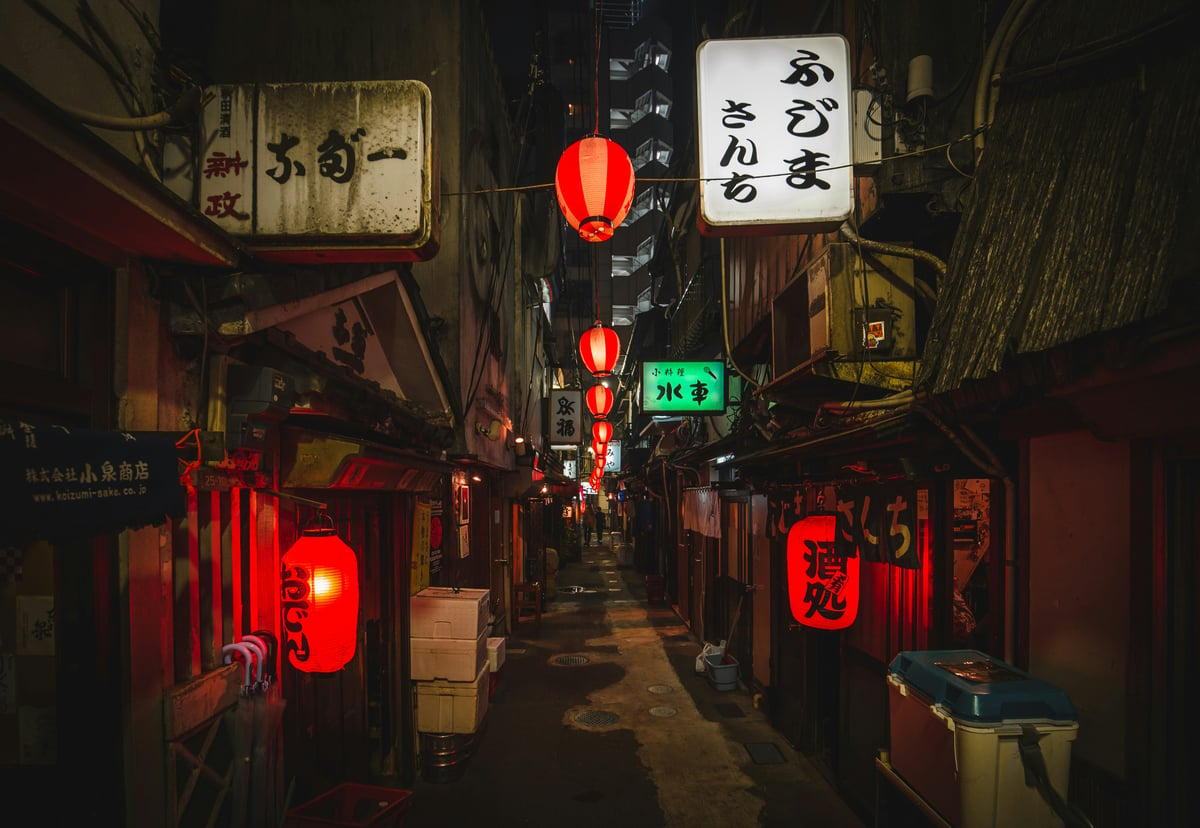
Violent crime against tourists is very rare, and petty theft like pickpocketing is far less common than in many Western cities (though never impossible, so keep normal awareness in crowds). The few issues that do come up are mostly concentrated in nightlife districts: occasional bar or taxi overcharging in areas like Kabukicho and Roppongi, aggressive touts, and the odd fake "tour guide" or bar tout near major stations. The fixes are simple — use metered taxis, be wary of strangers steering you into a specific bar or club, avoid following touts, and stick to reputable venues at night. Solo and female travelers generally find Japan very comfortable, with sensible precautions as anywhere.
Health and water
No vaccines are required to enter Japan. The CDC recommends being up to date on routine vaccinations like MMR, hepatitis A and B, and the seasonal flu shot — the same baseline advice as for most destinations. Tap water is safe to drink throughout Japan, so you can refill a bottle anywhere and skip buying bottled water. Pharmacies are widespread for minor needs, though bring an adequate supply of any prescription medication.
Japan's medical care is excellent but can be expensive for visitors, and you'll generally be paying out of pocket without coverage. Travel insurance that includes medical care and trip disruption is worth pricing out before you go, especially given how much a long-haul trip costs to begin with — it's a sensible safeguard against both a health issue and a typhoon-disrupted itinerary, and this is a sensible spot to compare a travel insurance plan before you fly. (This article contains affiliate links — if you book through them we earn a small commission at no extra cost to you.)
Medication rules that catch travelers off guard
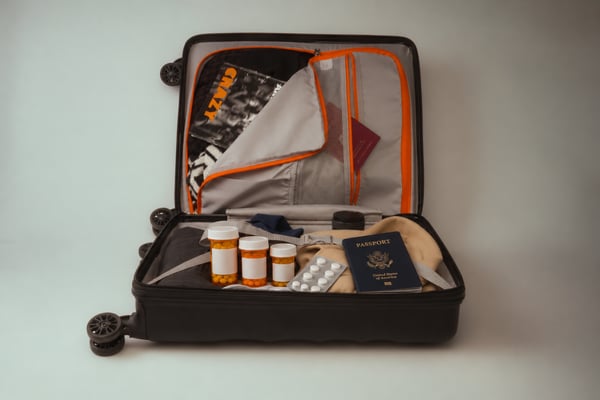
Japan's customs rules on medication are stricter than most Americans expect, and this is a genuine legal issue, not trivia. Stimulant-based ADHD medications — Adderall, Vyvanse, Dexedrine — are banned outright with no exceptions, even with a valid US prescription and a customs declaration; there is no certificate that makes them legal to bring in, so the only safe move is leaving them at home and talking to a doctor about a non-stimulant alternative before you travel. Some common cold and allergy medicines containing pseudoephedrine (regular Sudafed, some NyQuil and Advil Cold & Sinus formulas) are allowed only in small quantities and low concentrations for personal use — check the current limits before you pack a full bottle. For other prescription medication beyond a personal-use supply (roughly a month), you'd need a Yakkan Shoumei import certificate arranged in advance; that process does not apply to the banned stimulants above, so don't assume paperwork is a workaround for those.
Emergency numbers to save
Police: 110
Ambulance / Fire: 119
US Embassy, Tokyo: +81-3-3224-5000
Japan Visitor Hotline (JNTO, 24/7, English): a tourist help line for emergencies and guidance — worth noting before you go.
Save these in your phone before you land — Japan's emergency numbers are split by service, unlike the US's single 911. Operators on the direct emergency lines may have limited English; for anything short of a true emergency, most hotels and many convenience-store staff can help bridge a call, and the JNTO hotline above is a good first resort for non-urgent guidance.
A few everyday safety notes
It's genuinely common to see people leave bags to hold seats or children commute alone — a reflection of how safe daily life is — but keep your own normal travel awareness.
Traffic moves on the left; look both ways carefully as a pedestrian, since you'll instinctively look the "wrong" way at first.
Summer heat can be intense — hydrate and pace yourself, especially with kids or older travelers.
Bottom line
For an American traveler, Japan ranks among the easiest and safest places in the world to visit. Take normal precautions, be a little street-smart in nightlife districts, keep an eye on the weather if you go in typhoon season, save the emergency numbers, and consider travel insurance for peace of mind. With safety squared away, the next practical question is usually how to handle money on the ground.
FAQ
What does the US State Department say about Japan?
The US State Department rates Japan at Level 1 — Exercise Normal Precautions, its lowest travel advisory level — the same category as most of Western Europe. You can read the current notice on the State Department Japan advisory page, which is worth a quick glance before any trip in case of updates. For day-to-day travel, that Level 1 rating reflects what most visitors experience: an exceptionally safe, orderly country.
What are the real risks in Japan?
Because Japan is such a low-crime country, the main risks are environmental. Japan sits in an active seismic zone, so earthquakes happen, and the late-summer and early-autumn months bring typhoon season. Neither should put you off — Japan is extraordinarily well prepared, with some of the strictest building codes and best warning systems in the world — but it's smart to know the basics:
Consider the official disaster-alert apps (such as the government's Safety Tips app for travelers), which push English alerts for earthquakes and severe weather.
Note that hotels post evacuation guidance, and trains automatically halt and inspect after tremors.
If you travel in late summer/early autumn, watch the forecast for typhoons, which can disrupt flights and trains for a day or two — build a little flexibility into tight connections.
In an earthquake, follow local guidance — generally drop, cover, and hold on indoors, stay away from windows, and don't rush outside.
How common is crime against tourists in Japan?
Violent crime against tourists is very rare, and petty theft like pickpocketing is far less common than in many Western cities (though never impossible, so keep normal awareness in crowds). The few issues that do come up are mostly concentrated in nightlife districts: occasional bar or taxi overcharging in areas like Kabukicho and…
Keep planning
Not sure how it all fits together?
Pick your trip length and we’ll route a real day-by-day plan.