Affiliate disclosure: this guide contains affiliate links. If you book through them we may earn a commission, at no extra cost to you.
On a first trip to Japan, where you base yourself is mostly a question of which cities you build your trip around — and for the classic first visit, that means Tokyo and Kyoto, with the right neighborhood in each. Get your bases right and Japan's superb trains handle the rest, letting you day-trip widely without constantly repacking. Here's the high-level view of where to stay and how to think about it.
Tokyo: pick a hub on the loop
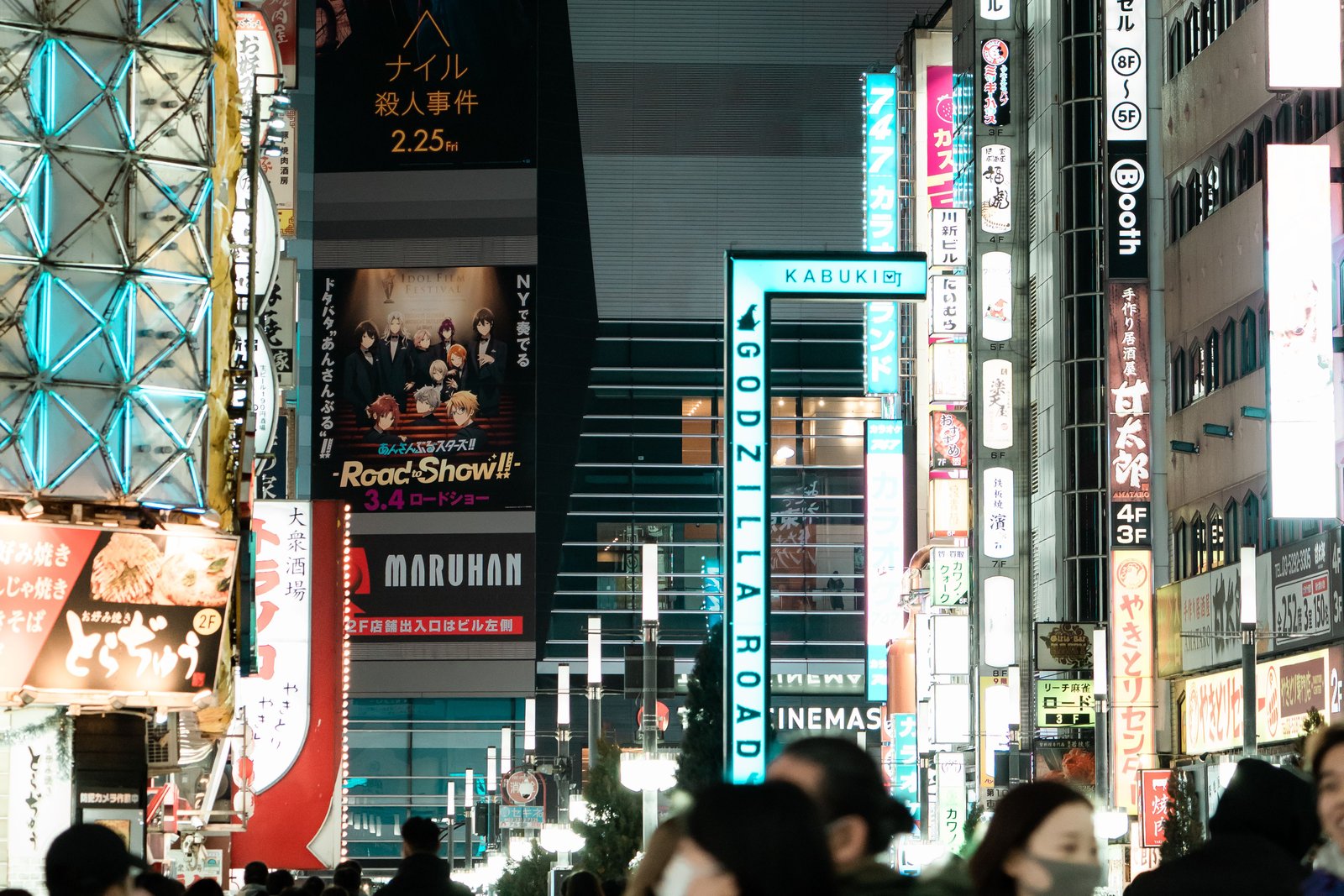
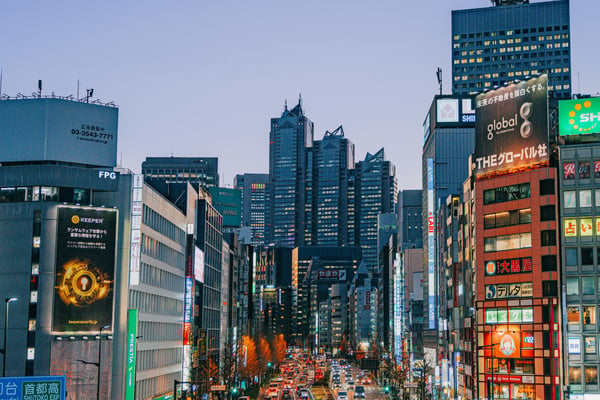
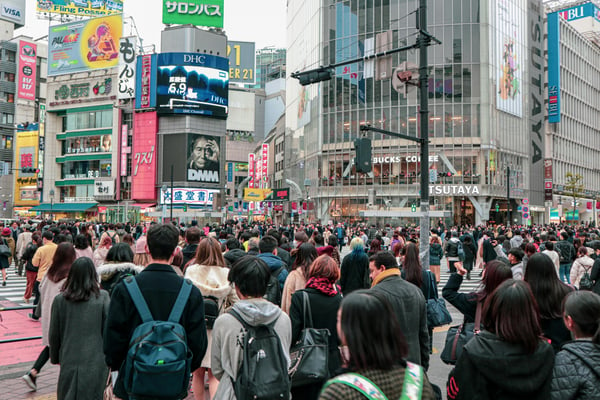
In Tokyo, aim for a neighborhood on or near the JR Yamanote loop line — the circular train that rings central Tokyo through roughly 30 stations in about an hour end-to-end — so almost everything worth reaching is a short, direct ride away without transfers. Shinjuku is the do-everything all-rounder — the world's busiest train station, plus dining, nightlife, shopping, and a beautiful park all within walking distance. Shibuya is youthful and central to the action, great if you want energy and walkability, with the famous scramble crossing right outside the station. Asakusa offers traditional charm and better value on the eastern side, near Senso-ji, though it sits off the Yamanote loop itself, so factor in one extra transfer to reach the west-side neighborhoods. Ginza and the Tokyo Station area are the upscale, polished, and convenient option, with easy Shinkansen access for day trips or your onward journey to Kyoto. Any of these makes a strong base; the choice is about vibe and budget more than logistics, since the trains connect them all.
Two bases, about two hours apart: Tokyo · Kyoto. (Enable JavaScript for the interactive map.)
Kyoto: atmosphere vs convenience
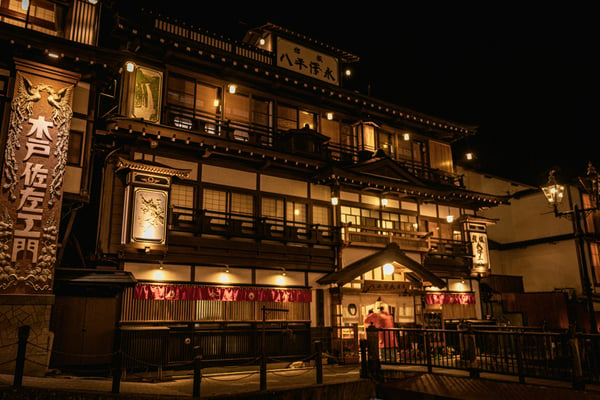
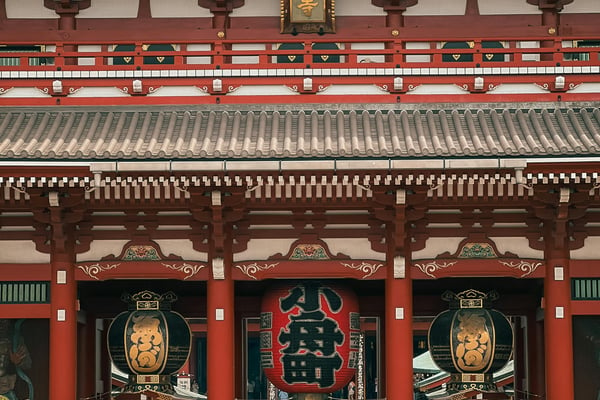
In Kyoto, the choice is between charm and connectivity, and it matters more than in Tokyo because Kyoto has no single loop line tying the city together — instead a mix of buses, a small subway, and a few rail lines that don't always connect directly. Gion and Higashiyama give you the postcard old-Kyoto atmosphere — preserved streets, the geisha quarter — within walking distance of major eastern temples, though at a premium and with fewer late-night dining options right on your doorstep. The Kyoto Station area is the practical hub for transport and day trips, ideal if you're moving around a lot or catching an early Shinkansen. Downtown (Kawaramachi/Nishiki) splits the difference with a lively, central location near the Pontocho dining alley and Nishiki Market, and Arashiyama trades convenience for scenery and calm on the western edge, better suited to a quieter, slower stay than a first-time home base. Many first-timers end up happiest staying downtown or in Higashiyama.
For one week, basing in just Tokyo and Kyoto — with day trips to places like Hakone and Nara — keeps things simple and covers the essentials beautifully. With more time, Osaka makes a great base for the Kansai region and its legendary food scene, and is so close to Kyoto that some travelers base in one and day-trip to the other. Longer trips might add a night in an onsen town (Hakone, Kinosaki) for hot springs, or push west to Hiroshima and Miyajima. The key is not to spread yourself too thin — every additional base is a genuine tradeoff between breadth and the time you actually spend exploring rather than checking in and out of hotels.
A simple rule for first-timers
Don't over-split your trip. Each city change costs you the better part of a day in packing, checking out, transit, and re-settling into a new hotel — time that's almost always better spent exploring where you already are. Two well-chosen bases (Tokyo, then Kyoto) for a week, or three for two weeks, beats hopping between five hotels and living out of a half-packed suitcase for most of your trip. Pick central, well-connected neighborhoods near a station, and use Japan's excellent trains for day trips rather than relocating constantly. You'll see more and stress less.
Match your base to your trip
First-timer, one week: Tokyo (Shinjuku or Shibuya) + Kyoto (downtown or Higashiyama).
Food-focused: add or substitute Osaka (Namba) for the Kansai leg.
Relaxation: work in an onsen-town ryokan night (Hakone fits a Tokyo-based trip; Kinosaki a Kansai one).
Two weeks: Tokyo + Kyoto + one of Osaka or Hiroshima, plus an onsen night.
Booking tips
Japan's most desirable accommodations — especially ryokan and well-located city hotels — book out early in peak seasons (cherry blossom in late March–April, autumn foliage in October–November). Decide your bases first, then reserve as far ahead as you can, prioritizing proximity to a train or subway station above almost any other amenity — a five-minute walk to a station saves far more real time over a week than a marginally nicer room a fifteen-minute walk away. Comparing options and prices early for your specific dates is the best way to lock in a good, well-placed spot before the best ones go.
In Tokyo, aim for a neighborhood on or near the JR Yamanote loop line — the circular train that rings central Tokyo through roughly 30 stations in about an hour end-to-end — so almost everything worth reaching is a short, direct ride away without transfers. Shinjuku is the do-everything all-rounder — the world's busiest train station,…
Where should you stay in Kyoto?
In Kyoto, the choice is between charm and connectivity, and it matters more than in Tokyo because Kyoto has no single loop line tying the city together — instead a mix of buses, a small subway, and a few rail lines that don't always connect directly. Gion and Higashiyama give you the postcard old-Kyoto atmosphere — preserved streets,…
Should you add cities beyond Tokyo and Kyoto?
For one week, basing in just Tokyo and Kyoto — with day trips to places like Hakone and Nara — keeps things simple and covers the essentials beautifully. With more time, Osaka makes a great base for the Kansai region and its legendary food scene, and is so close to Kyoto that some travelers base in one and day-trip to the other.…
Keep planning
Not sure how it all fits together?
Pick your trip length and we’ll route a real day-by-day plan.