Affiliate disclosure: this guide contains affiliate links. If you book through them we may earn a commission, at no extra cost to you.
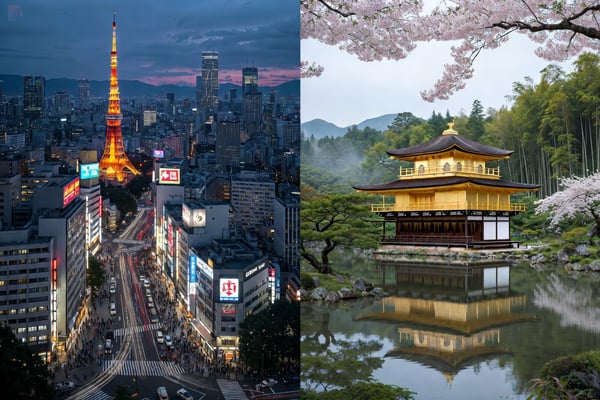
If you've already done the classic Tokyo–Kyoto first trip and caught the Japan bug (almost everyone does), a second visit is the chance to go deeper — into the regions, towns, and experiences that the greatest-hits route skips. Here's where to go beyond the basics.
How a second trip differs
On a first trip, the goal is the essentials. On a second, you can afford to slow down, go rural, and specialize — chasing a particular interest (food, hiking, history, hot springs) or simply exploring the Japan that lies beyond the Tokyo–Kyoto corridor. You already know how the trains and IC cards work, so you can afford to be more adventurous with your route, staying longer in fewer places instead of rushing between headline sights. The rural stretches of a second trip are where a car can finally help, so read up on renting a car in Japan before you commit to driving.
Central Japan: the Alps and old towns
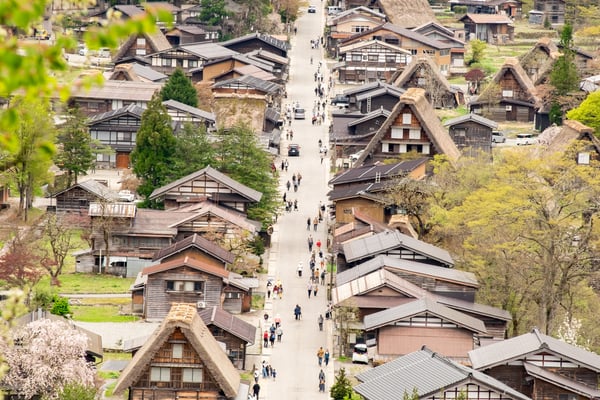
The mountainous heart of Honshu rewards a second trip: Takayama, with its beautifully preserved Edo-period streets and morning markets; the thatched-roof farmhouse villages of Shirakawa-go, a UNESCO World Heritage site especially magical under winter snow; and refined Kanazawa, home to Kenroku-en, ranked among Japan's three great gardens alongside Kairaku-en and Koraku-en. Built by the ruling Maeda clan across the Edo period, Kenroku-en takes its name — "garden of six elements" — from the six classical attributes a perfect garden was said to need: spaciousness, tranquility, artistic ingenuity, antiquity, abundant water, and scenic views. Kanazawa rounds out the stop with a preserved samurai district and excellent seafood, and the whole region is scenic, traditional, and far less crowded than the Golden Route.
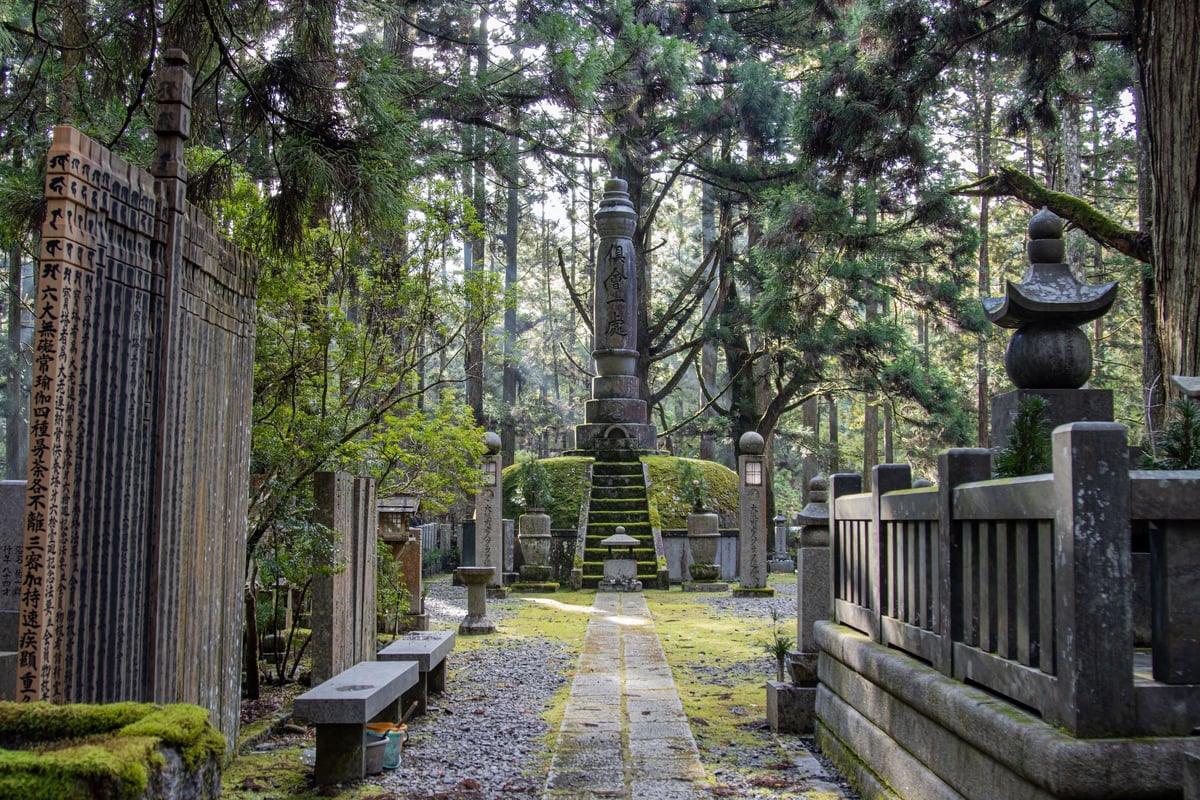
Koyasan (Mount Koya) is a sacred Buddhist mountain where you can stay overnight in a temple (shukubo), eat the monks' vegetarian shojin ryori, and join morning meditation. Its centerpiece, the Okunoin cemetery, is Japan's largest — over 200,000 moss-covered graves and memorials line a two-kilometer forest path leading to the mausoleum of Kobo Daishi, the monk who founded Shingon Buddhism and is said to rest there in eternal meditation rather than death. Walking it at dusk, as stone lanterns flicker on among ancient cedars, is one of the most atmospheric experiences in Japan. For the ambitious, the ancient Kumano Kodo pilgrimage trails wind through the forested Kii Peninsula past remote shrines and hot springs.
The west and southwest
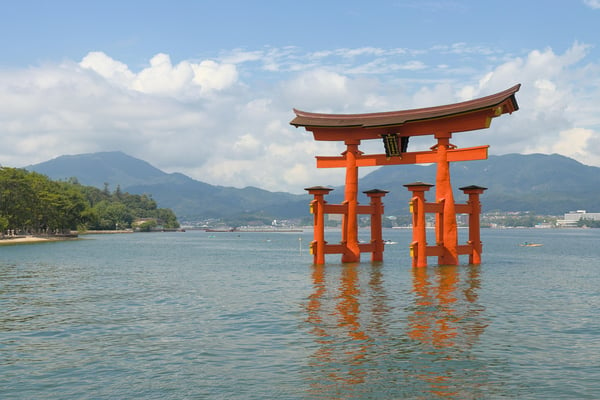
Beyond Hiroshima and Miyajima (worth doing if you missed them), head further to Kyushu — the southern island with the hot-spring towns of Beppu and Yufuin, active volcanoes, and Fukuoka's renowned food scene. Beppu alone produces more hot-spring water than anywhere in Japan, spread across eight distinct spa districts collectively known as the "Beppu Hatto." The San'in coast along the Japan Sea offers Matsue, the grand Izumo Taisha shrine — one of Japan's oldest and most important Shinto sites — and a quiet, rural feel that contrasts sharply with the Golden Route's crowds.
The north: Tohoku and Hokkaido
Tohoku (northern Honshu) is gloriously underexplored — dramatic coastlines, samurai towns like Kakunodate, remote onsen, and some of the country's most vivid autumn colors, often peaking a few weeks before Tokyo and Kyoto. Hokkaido, the northern island, offers national-park wilderness, fantastic seafood and dairy, lavender fields in summer, and the world-famous powder snow and ski resorts in winter — Niseko in particular draws skiers from around the globe for its exceptionally dry, deep snowfall.
Island and subtropical Japan
For something completely different, Okinawa and the southern islands bring subtropical beaches, a distinct Ryukyu culture and cuisine shaped by centuries as an independent kingdom before annexation by Japan, and a noticeably slower pace than the mainland. The Seto Inland Sea art islands — Naoshima chief among them — pair world-class contemporary art installations and museums with gentle, rural island scenery, a combination found almost nowhere else on earth.
Go deeper, not wider
The temptation on a second trip is to add even more — but the real reward is depth. Pick one or two regions and give them real time: a week in central Japan and Kansai, or a Kyushu loop, or a Hokkaido road trip. You'll experience a Japan that most visitors, even repeat ones, never slow down enough to actually see.
Tips
Consider a car for rural regions (Hokkaido, Tohoku, parts of Kyushu) where trains are sparse — get an International Driving Permit before you leave home.
Regional rail passes often make more sense than the nationwide JR Pass for a focused regional trip.
Travel in shoulder seasons to enjoy these quieter areas at their best.
Lean into ryokan and onsen stays — the countryside is where they shine.
Bottom line
A second trip to Japan is your chance to leave the well-trodden Golden Route and discover the country's mountains, sacred sites, northern wilds, and southern islands. Go deeper rather than wider, pick a region that calls to you, and you'll find a Japan even richer than the one that hooked you the first time.
FAQ
How does a second trip to Japan differ from a first?
On a first trip, the goal is the essentials. On a second, you can afford to slow down, go rural, and specialize — chasing a particular interest (food, hiking, history, hot springs) or simply exploring the Japan that lies beyond the Tokyo–Kyoto corridor. You already know how the trains and IC cards work, so you can afford to be more…
What is there to see in central Japan and the Alps?
The mountainous heart of Honshu rewards a second trip: Takayama, with its beautifully preserved Edo-period streets and morning markets; the thatched-roof farmhouse villages of Shirakawa-go, a UNESCO World Heritage site especially magical under winter snow; and refined Kanazawa, home to Kenroku-en, ranked among Japan's three great…
What is Koyasan?
Koyasan (Mount Koya) is a sacred Buddhist mountain where you can stay overnight in a temple (shukubo), eat the monks' vegetarian shojin ryori, and join morning meditation. Its centerpiece, the Okunoin cemetery, is Japan's largest — over 200,000 moss-covered graves and memorials line a two-kilometer forest path leading to the mausoleum…
Keep planning
Not sure how it all fits together?
Pick your trip length and we’ll route a real day-by-day plan.