One of the hardest parts of planning a first trip to Japan is simply deciding where to go and how to string it together. This guide lays out itinerary ideas by trip length and by interest, plus the core principles that make any Japan route work — so you can shape a plan that fits your time and your tastes.
The principles behind every good Japan itinerary
Whatever your trip length, a few rules consistently produce a better experience:
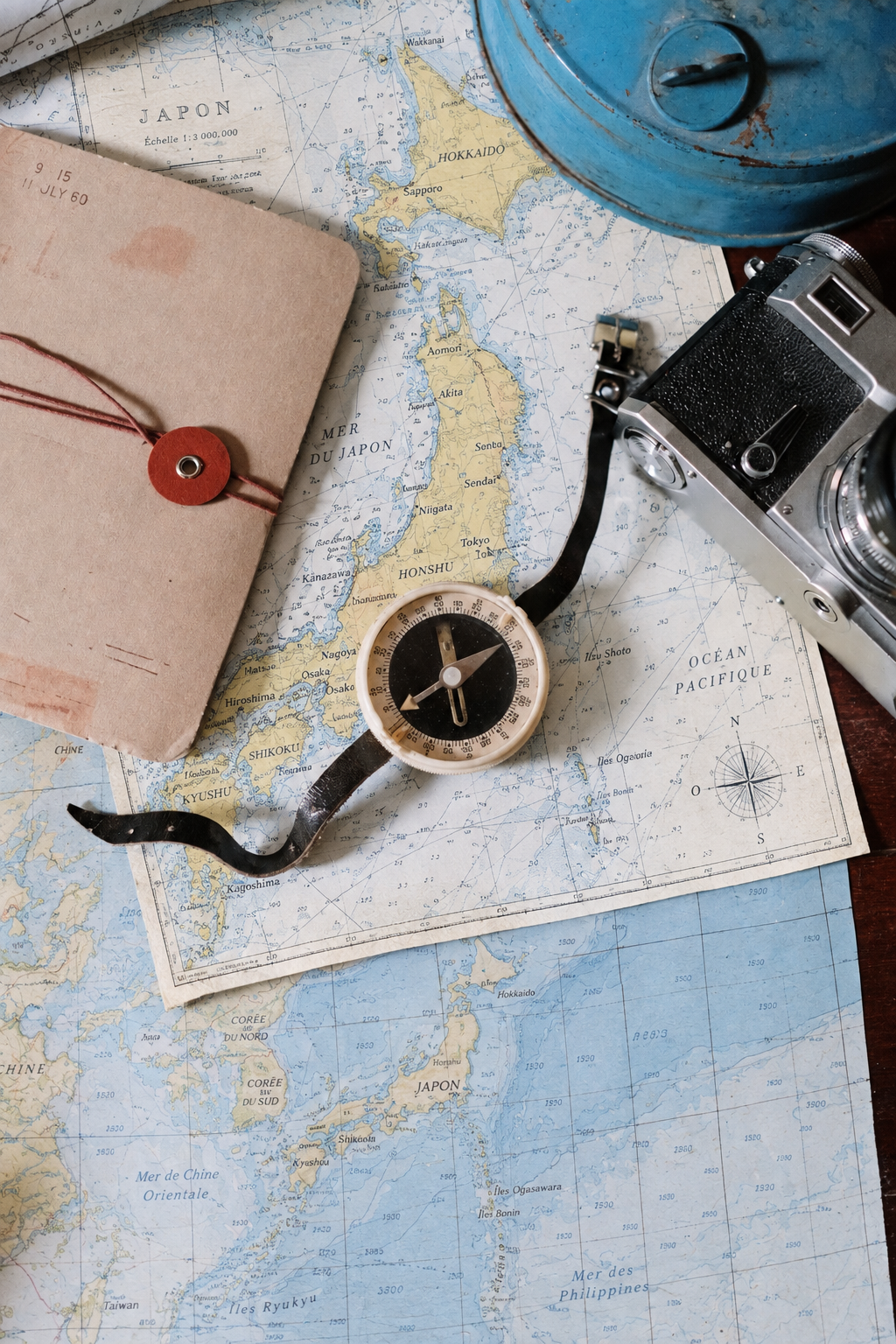
Map: Tokyo, Hakone, Kyoto, Osaka, Hiroshima.
Don't over-split your time. Each city change costs the better part of a day. Two or three well-chosen bases beat hopping between five hotels.
Use day trips, not relocations. Japan's trains make it easy to base in a city and explore outward, so you unpack less.
Group sights by area within each city to minimize backtracking.
Fly open-jaw where possible — into Tokyo, out of Kansai (or vice versa) — to avoid doubling back.
Build in rest and jet-lag buffer, especially a light first day.
Itinerary ideas by length
5 days: Tokyo + Kyoto only, one Shinkansen hop, no day trips — a focused taste.
1 week: Tokyo + Kyoto with a day trip or two (Hakone, Nara) — the classic first trip.
10 days: add Osaka and more day trips — arguably the sweet spot.
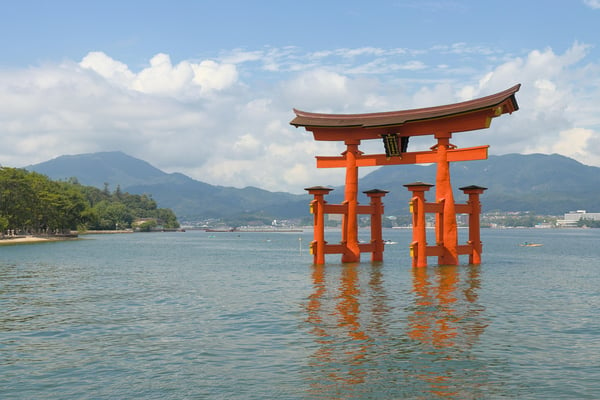
2 weeks: extend west to Hiroshima and Miyajima, add an onsen town.
3 weeks: go deeper — the Japan Alps, Kanazawa, Koyasan, Kyushu, or Hokkaido.
(See our dedicated day-by-day guides for each length.)
Itinerary ideas by interest
Food-focused
Weight your time toward Osaka (street food), Tokyo (everything from sushi to izakaya), and Kyoto (refined kaiseki and matcha), and consider food tours and a market crawl. Give each city an extra half-day over the standard split if food is your priority — the difference between rushing through Dotonbori and actually working your way down a whole street of stalls is real.
History and temples
Lean into Kyoto, Nara, and Nikko, add Koyasan's temple lodging, and take your time with the major shrines and castles like Himeji — these are the trips where rushing costs you the most, since half the point is standing still and taking in centuries-old architecture rather than checking a box.
Nature and onsen
Build around Hakone, an onsen town like Kinosaki, the Japan Alps, and — in winter — Hokkaido's snow.
First-timer's greatest hits
Stick to the proven Tokyo–Kyoto core with Hakone and Nara day trips; it's popular because it works.
Family trip
Mix kid-friendly Tokyo (teamLab, theme parks, Skytree), Nara's deer, and plenty of downtime; keep the pace gentle. Build in more slack than you think you need — a schedule that works for two adults moving briskly falls apart fast with tired kids, and Japan's trains are forgiving of a slower pace as long as you're not fighting rush-hour crowds with a stroller.
Second-time visitor
If Tokyo and Kyoto are already checked off, weight the trip toward what those first-timer itineraries skip: Kanazawa's preserved samurai district, the Japan Alps' hiking and hot springs, Kyushu's volcanoes and onsen towns, or Hokkaido's food and nature. A repeat trip is where regional trains and domestic flights start making more sense than they would on a first pass.
A reliable default route
If you're overwhelmed, the safe choice for a first trip is: Tokyo (3 days) → Hakone (day trip) → Shinkansen to Kyoto (2–3 days) → Nara and/or Osaka (day trips) → fly home from Kansai. Scale it up or down by adding or trimming day trips. It covers the essentials, flows logically west, and never feels rushed.
Choose your bases (usually Tokyo + Kyoto, plus maybe Osaka or Hiroshima).
Slot in day trips from each base.
Book your flights, then accommodation near stations.
Separately, once your cities and dates are set: handle local transport — get an IC card and check whether a rail pass makes sense for your specific route.
Reserve any timed experiences (teamLab, popular restaurants) in advance.
When ideas aren't enough
The templates above cover the common shapes, but the real planning work is fitting the pieces together for YOUR specific trip — how many days each city actually earns, which day trips are worth the travel time versus which ones you'll regret prioritizing, and how the whole thing holds together once real train times and opening hours replace the rough sketch. That's a different, harder problem than picking a template, and it's exactly what Japan, Worked Out is built to solve.
Bottom line
The best Japan itinerary isn't about cramming in the most places — it's about choosing a sensible route for your time and interests, basing in a few cities, and using day trips to reach the rest. Start with the Tokyo–Kyoto core, shape it around what you love, and you'll have a trip that flows.
FAQ
What principles make a good Japan itinerary?
Whatever your trip length, a few rules consistently produce a better experience:
Don't over-split your time. Each city change costs the better part of a day. Two or three well-chosen bases beat hopping between five hotels.
Use day trips, not relocations. Japan's trains make it easy to base in a city and explore outward, so you unpack less.
Group sights by area within each city to minimize backtracking.
Fly open-jaw where possible — into Tokyo, out of Kansai (or vice versa) — to avoid doubling back.
Build in rest and jet-lag buffer, especially a light first day.
How do you build a Japan itinerary around your interests?
Weight your time toward Osaka (street food), Tokyo (everything from sushi to izakaya), and Kyoto (refined kaiseki and matcha), and consider food tours and a market crawl. Give each city an extra half-day over the standard split if food is your priority — the difference between rushing through Dotonbori and actually working your way…
What is a reliable default route for a first trip?
If you're overwhelmed, the safe choice for a first trip is: Tokyo (3 days) → Hakone (day trip) → Shinkansen to Kyoto (2–3 days) → Nara and/or Osaka (day trips) → fly home from Kansai. Scale it up or down by adding or trimming day trips. It covers the essentials, flows logically west, and never feels rushed.