Affiliate disclosure: this guide contains affiliate links. If you book through them we may earn a commission, at no extra cost to you.
Three weeks in Japan is a rare gift — enough to cover the classic highlights and venture well off the standard trail into mountain towns, sacred sites, and regions most first-timers never reach at all. Here's how to think about an extended trip without it becoming an exhausting, sprawling checklist that leaves you as tired as you were before you left.
The strategy for a long trip
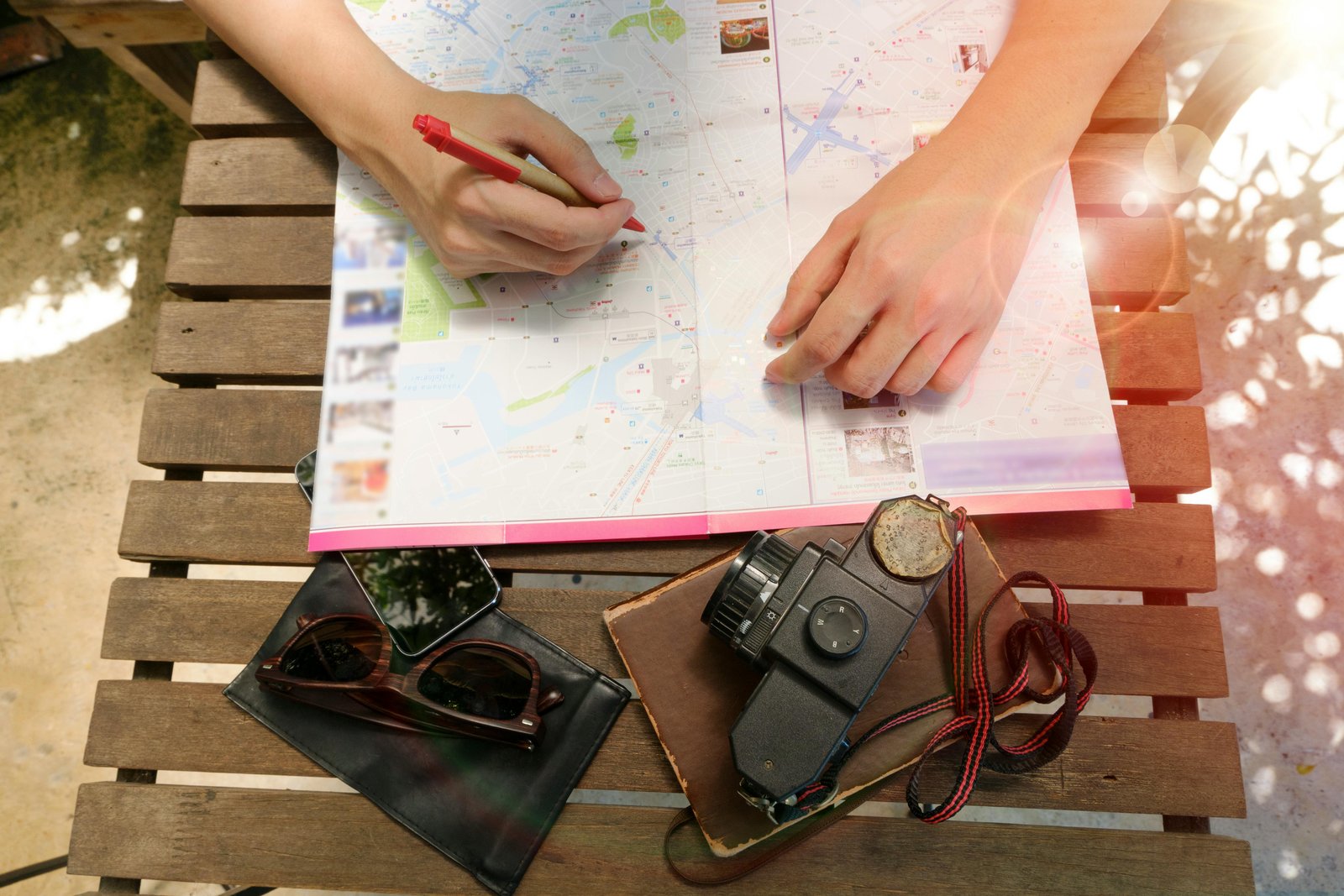
With 21 days, the temptation is to add destinations endlessly, turning the itinerary into a checklist that spans the entire country — resist it. The better approach is to do the classic route at a relaxed pace, then add a few deeper regions with real time in each, plus genuine rest days built in rather than treated as wasted time. Quality of experience beats quantity of cities almost every time on a trip this long; three unhurried regions beat eight rushed ones. Use the Shinkansen and luggage forwarding to move efficiently between a handful of well-chosen bases, and resist the pull to add "just one more stop" once your route is already set. If you are still weighing how long to go, itinerary ideas by trip length apply the same few-bases principle to shorter trips and different interests.
Three weeks: the corridor, with room either side: Tokyo → Nikko → Hakone → Kyoto → Osaka → Hiroshima → Miyajima. (Enable JavaScript for the interactive map.)
Week 1: Tokyo and the east
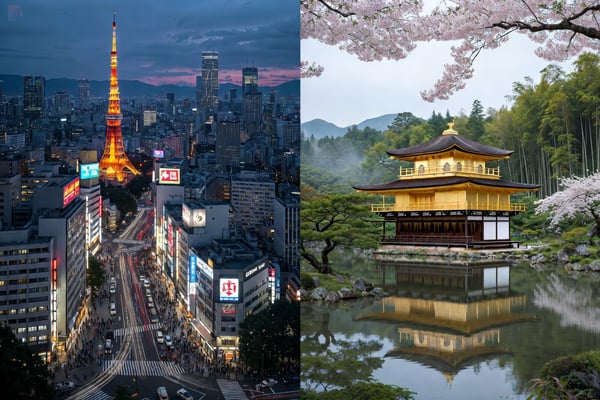
Four to five days in Tokyo with day trips (Hakone for Mt Fuji and onsen, plus Nikko or Kamakura), exploring the city's neighborhoods in real depth rather than rushing the icons — a full afternoon in Shimokitazawa or Yanaka, say, rather than a photo stop. Time to enjoy the food scene properly, from depachika basement food halls to a proper izakaya crawl, at a slower pace than a short trip ever allows.
Week 2: Central Japan and Kansai
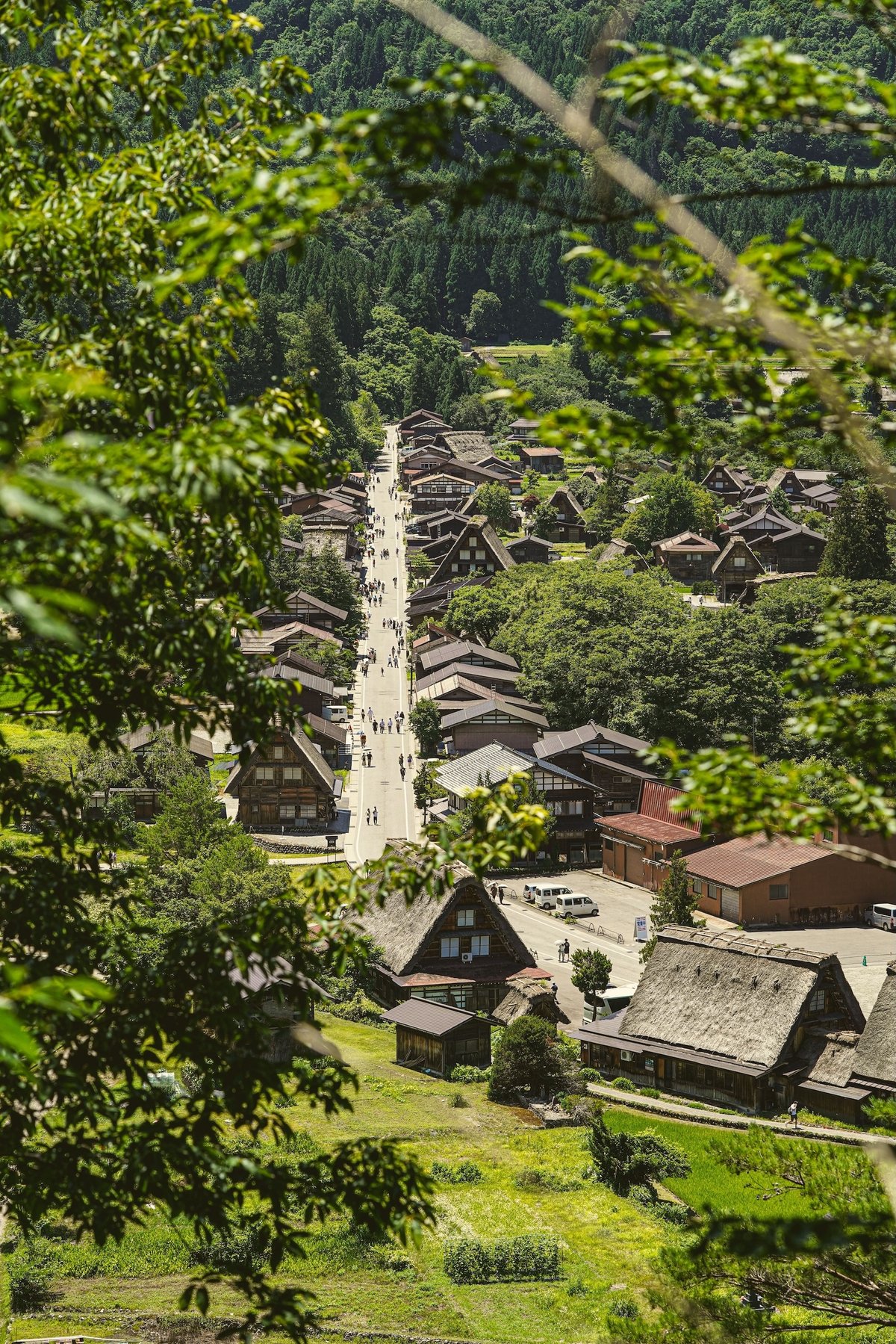
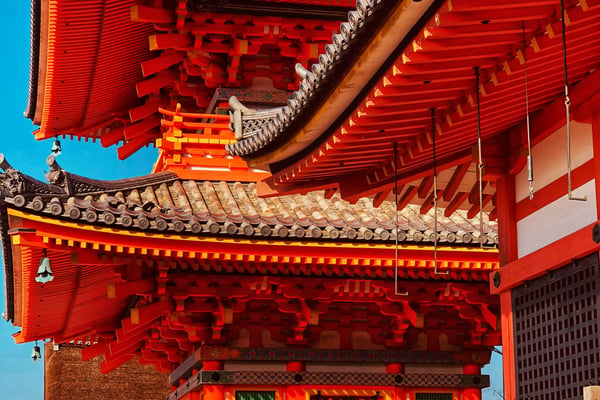
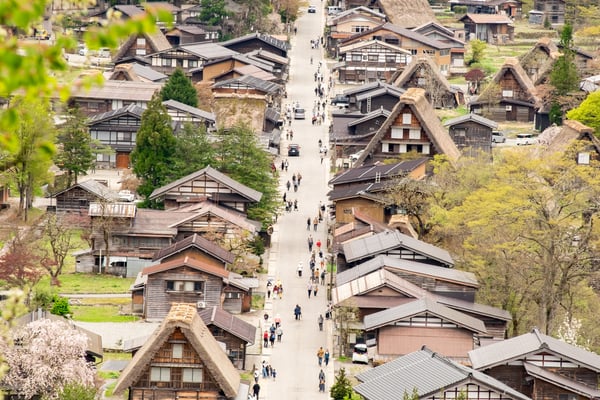
Head into central Japan on the way west: the traditional Edo-period streets of Takayama and the thatched-roof villages of the Japan Alps, and the refined gardens and culture of Kanazawa, home to Kenroku-en, one of Japan's three great gardens. Then settle into Kyoto for several unhurried days (temples, Gion, Arashiyama), with day trips to Nara and Osaka — with this much time, you can actually let a rainy afternoon become a museum day instead of a crisis.
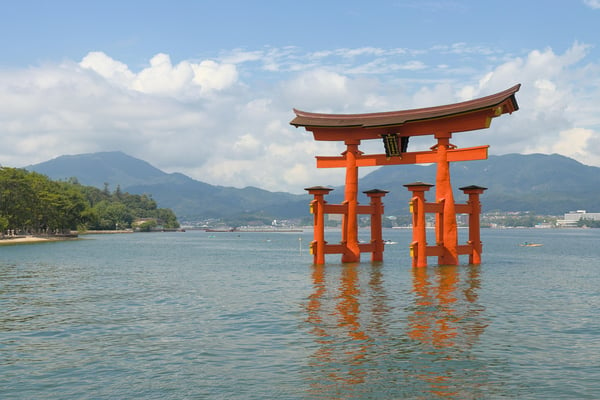
Continue west to Hiroshima and Miyajima (the Peace Park and the torii gate that floats at high tide). With remaining time, choose a deeper detour based on your interests:
Koyasan — temple lodging (shukubo), morning meditation, and the vast, moss-covered Okunoin cemetery on a sacred mountain.
The Kii Peninsula — ancient Kumano Kodo pilgrimage trails and remote onsen villages, genuinely far from the usual tourist track.
Kyushu — the southern island, with the hot-spring capital of Beppu, active volcanoes, and Fukuoka's renowned food scene.
Hokkaido — the northern island, for national-park wilderness, seafood and dairy, and (in winter) some of the best powder skiing on earth around Niseko.
The Japan Sea coast or Tohoku — rural, scenic, and barely touristed by international visitors even in peak season.
Build in rest
Three weeks of nonstop sightseeing will wear anyone down, no matter how much you love Japan. Deliberately schedule slower days: a second day in a place you love, an onsen-town stay where you do nothing but soak and eat kaiseki, or an unstructured day to wander a neighborhood with no itinerary at all. These often become the most memorable parts of a long trip, precisely because nothing about them was planned.
Tips
The JR Pass is most likely worth it on a trip like this — a 21-day nationwide pass runs around ¥100,000, and with this much long-distance travel across Tokyo, central Japan, Kansai, and Hiroshima (plus whatever western detour you add), the fares for equivalent point-to-point tickets can genuinely exceed that. Still price it against your specific planned Shinkansen fares before buying, since the answer always depends on your exact route — that pricing decision is exactly the kind of thing Japan, Worked Out is built to walk through in detail.
Luggage forwarding (takkyubin) between bases is invaluable over three weeks — send bags ahead a day and travel light on transit days instead of hauling everything through train stations.
Don't change hotels more than necessary; use day trips from a few well-placed bases rather than a new hotel every two nights.
Mix the famous and the obscure — the contrast between a crowded icon and a quiet backstreet is part of what keeps a long trip feeling fresh rather than repetitive.
Vary your accommodation: city hotels, a ryokan, a temple stay, an onsen inn — each is a genuinely different experience, not just a place to sleep.
Bottom line
Three weeks lets you go beyond the postcard Japan into its mountains, sacred sites, and quieter regions — but the secret is restraint: cover the classics well, add a few deep detours, and build in rest. Done right, an extended trip reveals a richer, more varied Japan than most visitors ever see.
FAQ
What is the main risk of planning 21 days in Japan?
With 21 days, the temptation is to add destinations endlessly, turning the itinerary into a checklist that spans the entire country — resist it. The better approach is to do the classic route at a relaxed pace, then add a few deeper regions with real time in each, plus genuine rest days built in rather than treated as wasted time.…
What should the first week of a three-week trip cover?
Four to five days in Tokyo with day trips (Hakone for Mt Fuji and onsen, plus Nikko or Kamakura), exploring the city's neighborhoods in real depth rather than rushing the icons — a full afternoon in Shimokitazawa or Yanaka, say, rather than a photo stop. Time to enjoy the food scene properly, from depachika basement food halls to a…
Where does the second week go?
Head into central Japan on the way west: the traditional Edo-period streets of Takayama and the thatched-roof villages of the Japan Alps, and the refined gardens and culture of Kanazawa, home to Kenroku-en, one of Japan's three great gardens. Then settle into Kyoto for several unhurried days (temples, Gion, Arashiyama), with day trips…